Politics 5 min read By Arthur Ellington
Trump administration appeals ruling blocking EPA from sending California auto emissions rules to Congress
The Trump administration has appealed a court ruling that blocked the EPA from sending California's auto emissions rules to Congress, escalating a legal fight over the state's authority to set its own vehicle pollution standards.
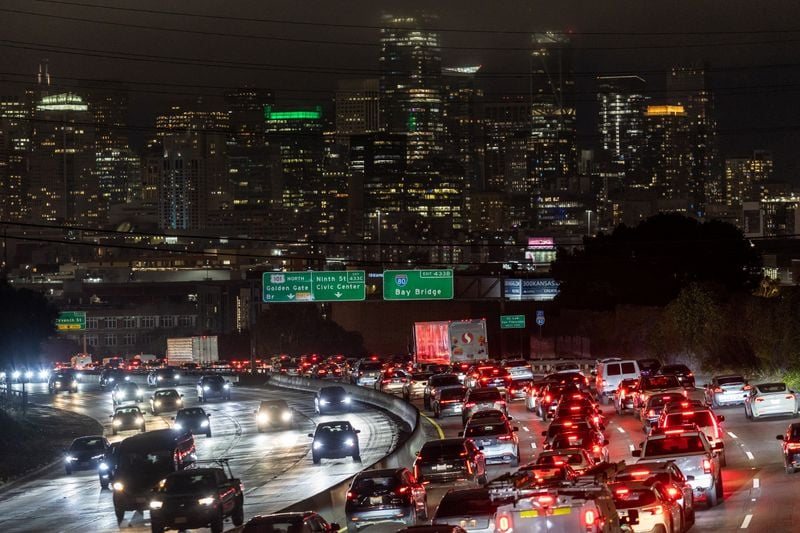
The Trump administration has appealed a court ruling that blocked the Environmental Protection Agency from sending California's auto emissions rules to Congress, escalating a legal battle over the state's authority to set its own vehicle pollution standards.
The appeal, filed in federal court, challenges a decision that prevented the EPA from transmitting California's waiver request and related rules to lawmakers under the Congressional Review Act. That law allows Congress to review and potentially overturn federal agency rules. The dispute centres on whether California can maintain its long-standing ability to set stricter emissions limits than federal standards, a power that has been a cornerstone of US climate policy for decades.
California has historically received waivers from the EPA under the Clean Air Act, allowing it to impose tougher tailpipe pollution rules. The Trump administration has sought to revoke or delay those waivers, arguing they impose unnecessary costs on automakers and consumers. The court ruling at issue blocked the EPA from sending the rules to Congress, which could have triggered a fast-track process for lawmakers to nullify them. The administration's appeal seeks to overturn that block and proceed with the congressional review.
The case is being closely watched by automakers, environmental groups, and states that have adopted California's standards. A dozen states and the District of Columbia follow California's stricter emissions rules, which together represent a significant share of the US auto market. If the administration succeeds in sending the rules to Congress, lawmakers could vote to disapprove them, potentially eliminating California's waiver and creating a single federal standard. That outcome would be a major setback for climate advocates and a win for industry players who have lobbied against state-level patchwork regulations.
Legal experts note that the appeal raises complex questions about the scope of the Congressional Review Act and the EPA's obligations to transmit rules. The administration argues that the EPA must send the rules to Congress to comply with the law, while opponents contend that the agency's decision to withhold them was proper because the rules were not final or because the waiver process is separate from the review act. The appeal will likely be heard by a federal appellate court, with potential further review by the Supreme Court.
The timing of the appeal is significant, as it comes amid broader efforts by the Trump administration to roll back environmental regulations and reshape US energy policy. The administration has already moved to weaken fuel economy standards and has questioned the scientific basis for California's waiver. The outcome of this case could determine whether California retains its unique authority to regulate vehicle emissions, a power that has driven innovation in clean car technology and influenced global auto markets.
Automakers have been caught in the middle, facing uncertainty over which standards to meet. Some have urged the administration and California to find a compromise, while others have sided with the federal government. Environmental groups have vowed to fight the appeal, arguing that California's waiver is essential for reducing greenhouse gas emissions and improving air quality. The case is expected to take months to resolve, with briefs and oral arguments likely to draw intense interest from both sides of the debate.
For now, the appeal ensures that the legal fight over California's auto emissions rules will continue, with major implications for the future of US climate policy and the auto industry. The administration's move underscores its determination to challenge California's authority, setting the stage for a high-stakes courtroom battle that could ultimately reach the Supreme Court.