Economy 5 min read By Callum Montgomery
Dimon's dollar warning exposes the institutional cost of Trump's economic gamble
For Britain and global markets, the issue is not an imminent end to dollar dominance. It is whether Trump's debt, tariff and central-bank strategy preserves the institutional premium that makes US assets the centre of the financial system.
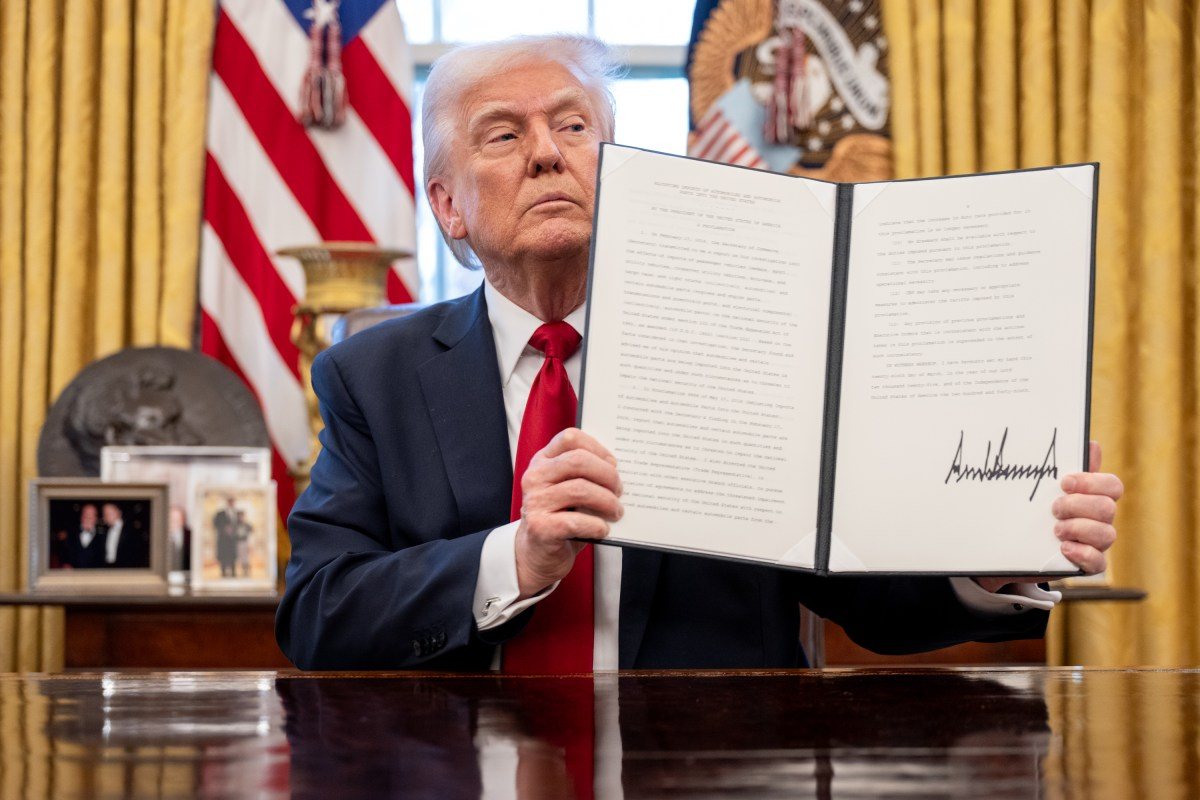
The most consequential part of Jamie Dimon's latest warning is not the prospect of a rival currency replacing the dollar next year. It is his insistence that reserve-currency status is earned by a system: economic power, military capacity, trusted institutions and strong alliances. That system is precisely what Donald Trump's second-term economic programme is attempting to re-engineer.
The dollar remains dominant. IMF data show it represented 57.13% of global foreign-exchange reserves in the first quarter of 2026, up from the previous quarter. For London, where dollar funding and Treasury markets are embedded in the plumbing of global finance, there is no evidence of a sudden break. The more relevant question is the direction of the institutional premium attached to American assets.
Trump himself made that premium a political promise. He campaigned on keeping the dollar as the world's reserve currency, and the White House later claimed that tougher trade deals and pro-growth policies had fortified its position. That confidence now has to be set against a fiscal programme that requires the market to absorb substantially more federal borrowing.
The 2025 reconciliation law signed by Trump is central. The Congressional Budget Office's February baseline says it raises projected deficits by roughly $4.7tn over 2026-2035 once economic feedback and debt-service costs are included. CBO expects debt held by the public to rise from 99% of GDP at the end of 2025 to 120% by 2036. Net interest outlays are projected to climb from about $1tn this year to $2.1tn in 2036.
That trajectory does not automatically undermine the dollar. The Treasury market's depth is one reason the currency is dominant in the first place, and additional supply can meet global demand for safe assets. The vulnerability lies in the price at which that demand clears. If investors begin to require a larger term or political-risk premium, the fiscal cost compounds quickly across the state and the private sector.
Trump's tariff strategy is equally ambiguous. Higher tariffs generate significant revenue; CBO estimates they reduce deficits by around $3tn over its baseline period. But they also reduce growth. A temporary broad 10% import surcharge ran for 150 days this year, and other duties remain part of the administration's trade architecture. Dimon has said tariffs can be useful leverage and that the US needs more strategic industrial capacity. His objection is to a system that weakens allies or replaces clear rules with permanent uncertainty.
That matters in Europe. Dimon's 2025 shareholder letter argued that US foreign economic policy should make both America and its critical allies stronger. He warned that fragmented alliances could produce an “every nation for itself” world in which the United States becomes isolated and the dollar eventually loses reserve status. The warning is striking because it targets the network behind the currency, not merely the currency itself.
The same logic applies to the Federal Reserve. Dimon publicly defended central-bank independence in January amid the administration's confrontation with Fed officials. The Supreme Court in June blocked Trump's effort to remove Governor Lisa Cook for the time being. From a market perspective, the significance is not partisan. An independent monetary authority lowers the risk that inflation and rates are subordinated to electoral demands, supporting the credibility of long-duration dollar assets.
There are elements of Trump's policy that strengthen Dimon's preferred foundations. Defence spending is rising; the administration is pushing production of critical inputs back into the US; and the GENIUS Act is designed to increase demand for dollars and short-term Treasuries through regulated stablecoins. Dimon himself supports greater resilience in strategic supply chains.
The risk is therefore one of composition. Trump is trying to buy more industrial and military strength while financing larger structural deficits, using tariffs to reallocate trade while asking allies to remain inside the US-led system, and seeking more executive influence while markets prize institutional constraints. Dollar dominance can absorb considerable policy experimentation. Dimon's warning is that it cannot absorb an unlimited erosion of the system that makes the experiment financeable.
51