
Politics 5 min read By Bethany Hadley
Netanyahu Clashes With New York Mayor Mamdani at UN General Assembly
Israeli Prime Minister Benjamin Netanyahu used his UN General Assembly speech to attack New York Mayor Zohran Mamdani as antisemitic, while the mayor repeated his accusation that Netanyahu is a war criminal. Around 100 protesters were arrested outside the UN.
Israeli Prime Minister Benjamin Netanyahu used his address to the United Nations General Assembly to launch a direct attack on New York City Mayor Zohran Mamdani, calling him «the antisemitic mayor of New York» and accusing him of endangering Jewish residents through his criticism of Israel's military campaign in Gaza.
The confrontation marks a sharp escalation in a long-running feud between Netanyahu and Mamdani, the city's first Muslim mayor, who has been a vocal critic of Israel's actions in Gaza and has described the Israeli leader as a «war criminal» and «the architect of a horrific genocide against the Palestinian people.»
Speaking to the assembly, Netanyahu said: «Mr. Mamdani, since you were elected mayor of this city, many Jews no longer feel safe in New York. They talk to me, they tell me 'this isn't the city we remember, it changed so quickly.'» He added: «Mr. Mamdani, you tried to stop me from coming here. You tried to silence me. Well, you can't silence me and you can't silence the truth.»
Mamdani responded in a statement that repeated his criticism of Israel's military operations in Gaza, where more than 73,000 people have been killed since the war began in retaliation for the Hamas-led attacks of 7 October 2023. «As he has done time and again, Prime Minister Netanyahu used his speech to repeat baseless lies meant to sanitize his genocide of Palestinians,» Mamdani said. «Yet no lie can change the fact that he remains the subject of an International Criminal Court arrest warrant alleging war crimes and crimes against humanity.»
The dispute has been building since Mamdani's election campaign last year, when he said he would direct New York police to execute the ICC arrest warrant against Netanyahu if he entered the city. He has since acknowledged that the city lacks the authority to take the Israeli leader into custody, and has instead encouraged the federal government to act. President Donald Trump has said Netanyahu will not be arrested.
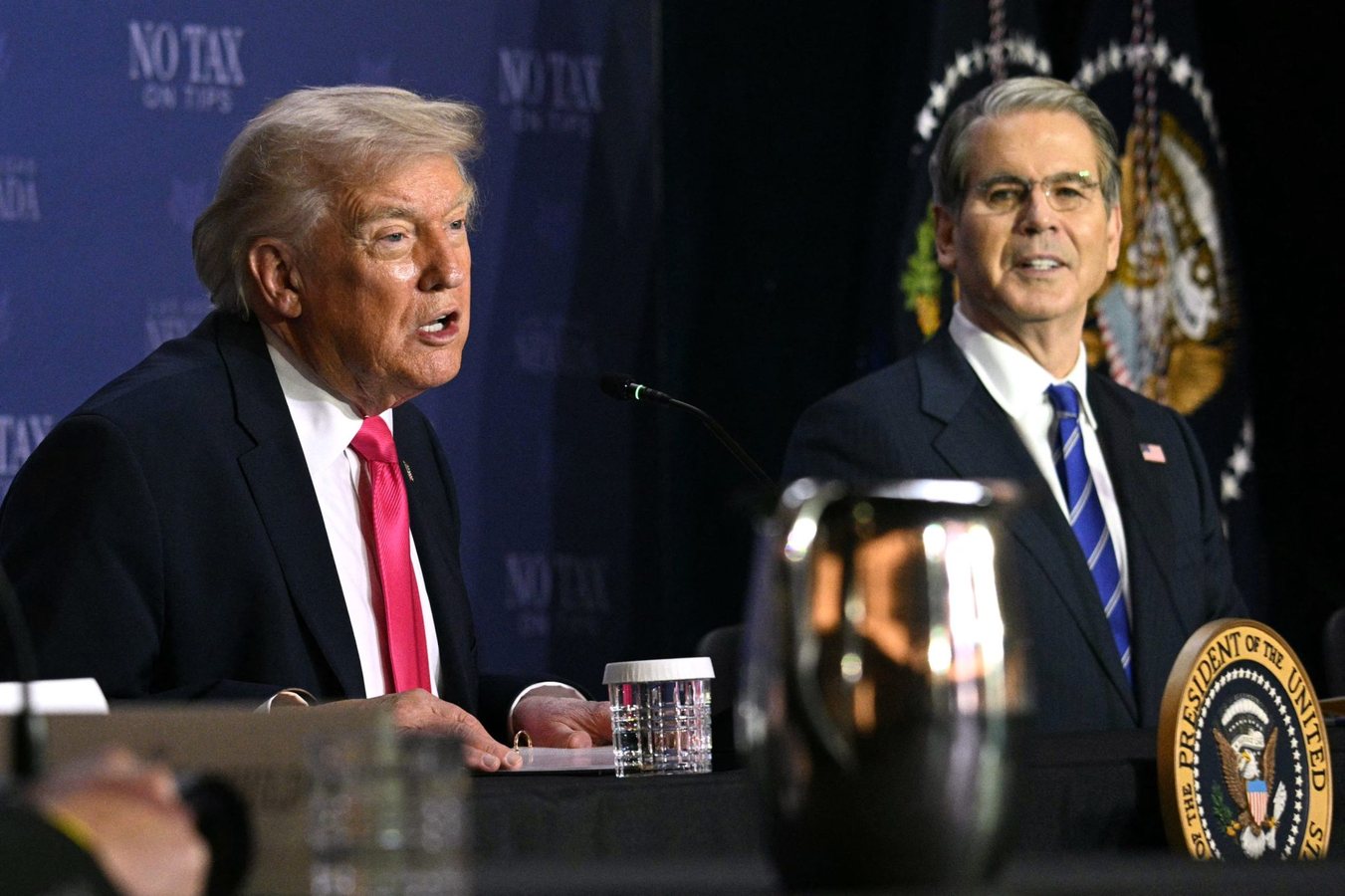
During his UN speech, Netanyahu praised Trump for his support of Israel, saying «we've had no greater partner than President Trump.» The US president met with Mamdani in New York earlier this week, a meeting that underscored the mayor's growing profile on the international stage during the UN's annual gathering of world leaders.
The confrontation also spilled onto the streets outside the United Nations, where around 100 people were arrested during a large protest against Netanyahu's appearance. According to the advocacy group Jewish Voice for Peace, those detained included celebrities Susan Sarandon and Hannah Einbinder.
Mamdani has consistently rejected accusations of antisemitism, arguing that his criticism of Israel and his advocacy for Palestinian rights are political positions, not expressions of religious hatred. His supporters say the attacks from Netanyahu are an attempt to delegitimise legitimate criticism of Israeli government policy.
The exchange highlights the increasingly international dimensions of America's domestic political debates, as a New York mayor and an Israeli prime minister trade accusations on the world stage. It also places Mamdani at the centre of a broader conversation about free speech, foreign policy, and the boundaries of acceptable criticism of Israel — a debate that has divided city councils, university campuses, and political parties across the West.
For British observers, the episode is a reminder of how quickly local politics can become entangled with global conflicts. The war in Gaza has reshaped political allegiances in the UK as well, with Labour and other parties facing pressure over their positions on the conflict. The Mamdani-Netanyahu clash is likely to be cited by both sides in those debates as evidence of the stakes involved.
Netanyahu's speech to the General Assembly was part of a broader diplomatic push by Israel to shore up international support amid mounting criticism of its military campaign. The Israeli leader has faced protests and legal challenges in several countries, and the ICC warrant has limited his travel options. His decision to single out Mamdani suggests the mayor has become a symbol of opposition to Israeli policy in a city with a large Jewish population.
Mamdani, for his part, has shown no sign of backing down. His statement after Netanyahu's speech was uncompromising, and his allies say he intends to keep pressing the case for accountability. The mayor's office has not indicated whether further action will follow, but the political temperature between New York and Jerusalem is unlikely to cool in the near term.
8