

Business 4 min read By Alice Ashford
Nauticus Robotics signs non-binding letter for $50M investment
Nauticus Robotics has signed a non-binding letter of intent for a $50 million investment, the company announced. The deal, if finalised, would provide fresh capital to the underwater robotics specialist.
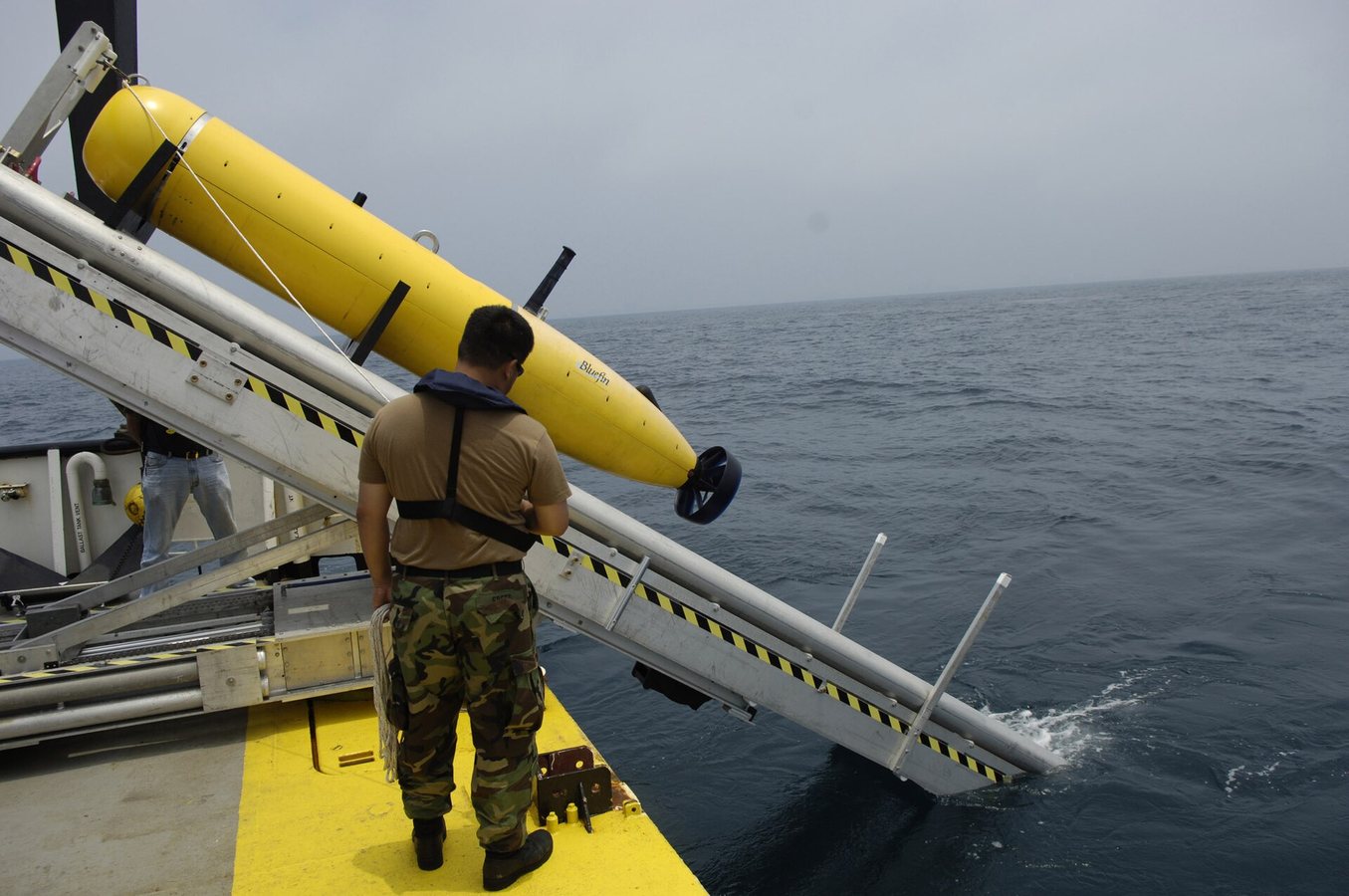
Nauticus Robotics has signed a non-binding letter of intent for a $50 million investment, the company has announced. The proposed funding would provide fresh capital to the underwater robotics specialist, which develops autonomous systems for subsea operations.
The agreement is non-binding, meaning it does not yet constitute a firm commitment from the investor. The identity of the prospective investor and the specific terms of the proposed investment were not disclosed. The company said the letter of intent sets out the general framework for a potential transaction, but any final deal would be subject to further negotiation and definitive documentation.
Nauticus Robotics designs and builds autonomous underwater vehicles and related software for industries including offshore energy, defence, and scientific research. The company has positioned itself at the intersection of robotics, marine engineering, and artificial intelligence, aiming to reduce the cost and human risk associated with subsea work.
The proposed $50 million injection would represent a significant sum for the company, which has been developing its technology and seeking to commercialise its product line. Like many advanced technology firms, Nauticus has faced the challenge of moving from prototype development to scaled deployment, a phase that typically requires substantial capital investment.
If completed, the investment would strengthen the company's balance sheet and provide resources for continued development, manufacturing, and market expansion. The non-binding nature of the letter means there is no guarantee that the transaction will proceed on the terms outlined, or at all. Such agreements are common in the investment process and often serve as a starting point for due diligence and final negotiations.
The announcement comes amid broader interest in subsea robotics and autonomous systems, driven by the offshore energy sector's push to lower operational costs and improve safety. Robotic systems can perform inspection, maintenance, and repair tasks in deep water, reducing the need for costly and risky human diving operations.
Nauticus Robotics has previously highlighted its work on autonomous vehicle platforms and software that allow machines to operate with minimal human intervention. The company's technology is intended to serve multiple markets, including oil and gas, offshore wind, and aquaculture, as well as government and research applications.
For investors, the letter of intent signals potential confidence in the company's prospects, though the absence of binding terms means the risk remains. The market for underwater robotics is competitive, with established defence contractors and emerging technology firms vying for contracts. Securing capital is often a decisive factor in whether a company can scale production and win larger customers.
The company did not provide a timeline for when the letter of intent might convert into a definitive agreement. It also did not disclose whether the proposed investment would take the form of equity, debt, or a combination of instruments. Further details are expected if and when a final agreement is reached.
Nauticus Robotics is one of a number of firms seeking to transform subsea operations through autonomy. The sector has attracted attention from energy companies looking to extend the life of offshore assets and from governments investing in maritime security and ocean science. The proposed investment, if realised, would give the company additional runway to pursue those opportunities.
7