Technology 6 min read By Bethany Hadley
Southeast Asia risks missing out on AI boom as gains concentrate in North Asia
Taiwan, Japan, South Korea and China are posting surging export growth from AI hardware demand, but economists warn Southeast Asian economies may only see a short-term boost from supporting roles in the supply chain.
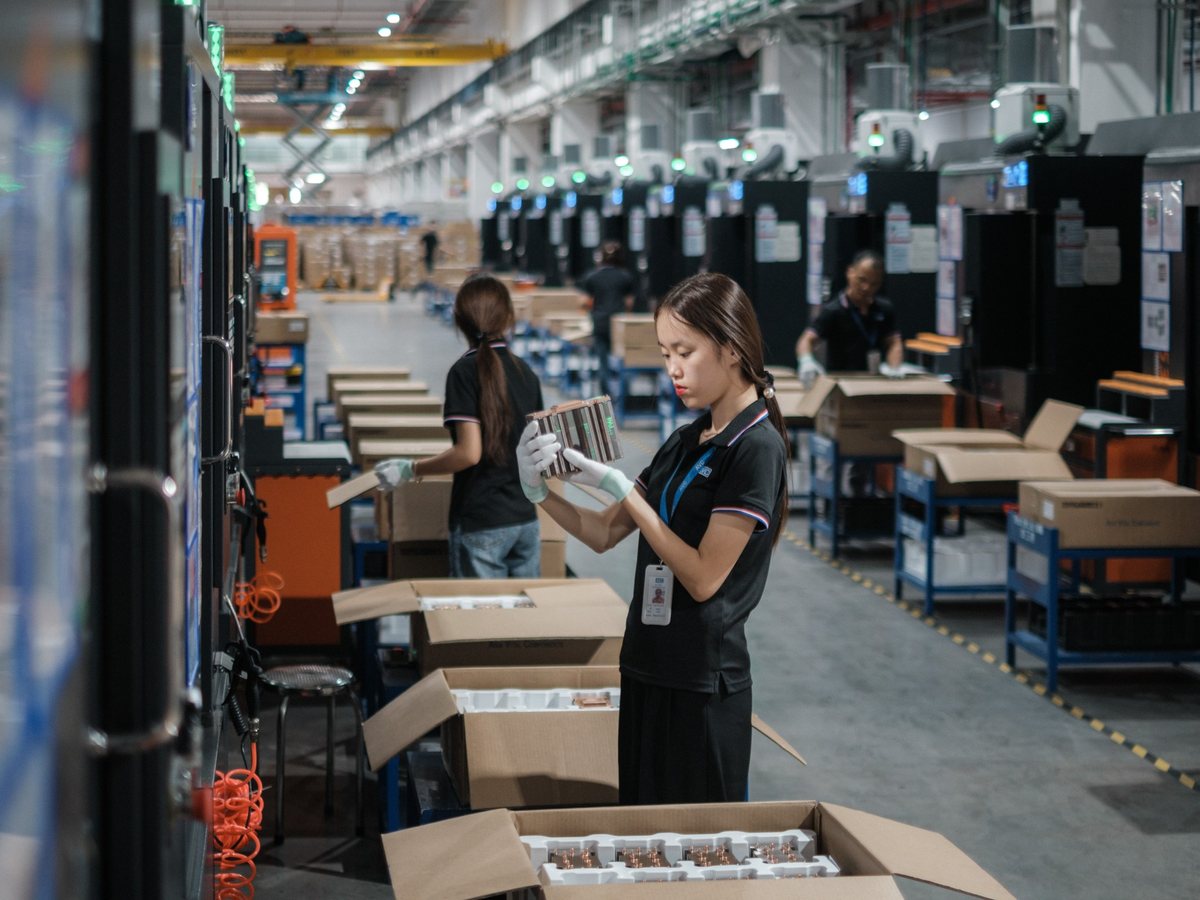
Asia's AI-driven economic surge is producing record export figures and stock market gains across the region, yet economists warn the benefits are unevenly distributed, with Southeast Asian economies at risk of being left with only a temporary boost from their supporting role in the supply chain.
Taiwan is on track for its first year of double-digit GDP growth since 2010, driven by surging demand for AI hardware exports. Japan, Malaysia, Singapore and mainland China all reported over 20% export growth in July, while South Korea — home to chipmaking giants SK Hynix and Samsung — saw exports surge by more than 60%. Second-quarter GDP growth also beat expectations in Singapore, Hong Kong and Taiwan thanks to electronics exports.
Equity markets are reflecting the boom. Shares in chipmaker ChangXin Memory Technologies and robot manufacturer Unitree surged more than 450% on their first days of trading in late July and mid-August respectively. Japan's Nikkei 225 and Thailand's SET index are both up around 25% for the year, while South Korea's KOSPI is almost 60% higher year-to-date even after recent declines.
However, economists who study the region worry that for Southeast Asia, which sits on the lower end of the value chain, the boom could prove to be a short-term blip. Danny Quah, an economist from Singapore's Lee Kuan Yew School of Public Policy, described the region's current growth as a sugar rush from providing supporting rather than leading-edge semiconductors, plus the power and resources to drive data centers.
These inputs are commodifiable, Quah argued, meaning no country will have a sustained comparative advantage in them. He added that in AI, only China and the United States can generate frontier models, and Southeast Asian nations should recognise they are consumers rather than competitors in this game.
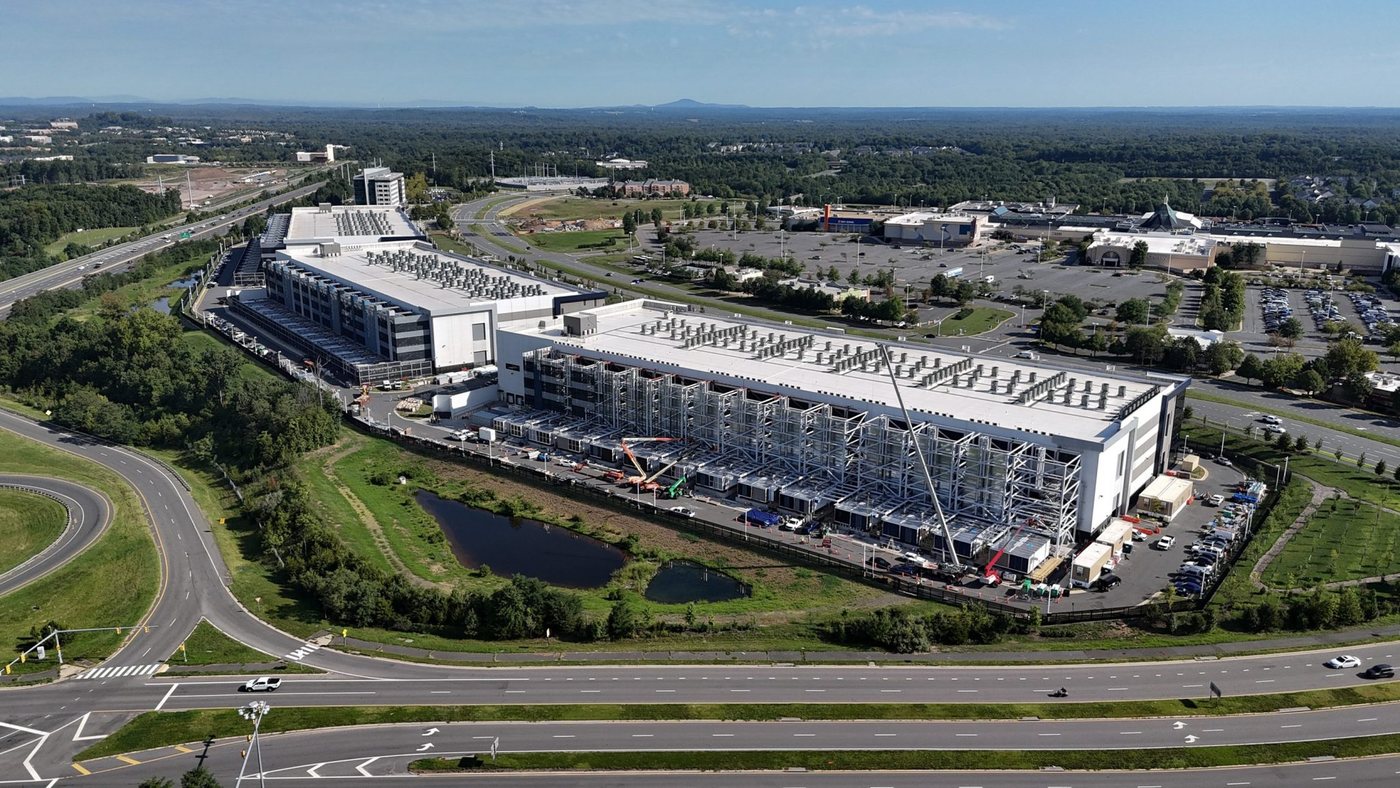
For now, Southeast Asian nations are benefiting. Singapore sharply lifted its annual economic growth forecast from 2-4% to 4.5-5.5% on August 11, citing a boost from AI-related sectors and exports. The city-state's deep bench of semiconductor talent has made it a regional base for global developers and cloud providers. Malaysia is tapping its established position in chip assembly, testing and packaging, while Thailand and Vietnam have attracted investments in data centers, cloud computing and electronics.
Kuala Lumpur is rolling out a National AI plan that hopes to push local firms into higher-value segments of the AI supply chain. Communications minister Fahmi Fadzil wrote in an April Facebook post that Malaysia must build its own capabilities, strengthen the ecosystem and compete globally rather than merely be a user of AI.
Yet experts warn that Southeast Asia's competitive edge — its abundance of cheap, low-skilled labour — could trap it at the bottom rungs of the AI technology ladder. Guanie Lim, an associate professor at Japan's National Graduate Institute for Policy Studies, said Malaysia has largely consolidated its pre-existing niches in the back-end phase of semiconductor manufacturing, and its perennial inability to escape the middle-income trap is partly a function of hosting industries where competitive advantage lies primarily through low-cost labour.
This edge could erode further as the region's populations age or if workers are lost to brain drain. Malaysia has long seen an outflow of skilled talent to Singapore and the West, and is projected to become an aged nation by 2048, when 14% of its citizens will be aged 65 and above.
Grid reliability and water shortages also limit data center buildout in Southeast Asia. The region, which imports much of its oil and gas from the Middle East, has been hard hit by supply disruptions. Ramikshen Rajan, a professor at the Lee Kuan Yew School of Public Policy, said energy is a key constraint, especially where grids are congested, and Southeast Asia may add data center capacity faster than its electricity networks and expertise can expand.
Geopolitics is deepening the fault lines. The United States is preparing to tell dozens of countries to pick a side in the AI race with China, as the two superpowers launch competing multilateral collaboration frameworks: the U.S.-led Pax Silica and China's World Artificial Intelligence Cooperation Organization. A draft letter prepared by the U.S. State Department warns that membership in duplicative initiatives with conflicting expectations cannot be held simultaneously. The letter was penned after Kazakhstan reportedly joined both initiatives, setting off alarm bells in Washington.
China is meanwhile building its own full-stack AI ecosystem while reducing reliance on U.S. technology, investing widely in chips, computing infrastructure, frontier models and embodied AI applications. According to testimony to the U.S. Congress by Kyle Chan, a fellow at the Brookings Institution, the goal of Chinese policymakers is not to achieve artificial general intelligence but to leverage it as a powerful, general-purpose technology.
60