Technology 5 min read By Callum Montgomery
Amazon pledges $1bn to ease data centre backlash
Amazon Web Services will invest more than $1 billion over five years in free community college, skilled trades training and home energy efficiency upgrades as it seeks to win over communities resisting data centre construction.
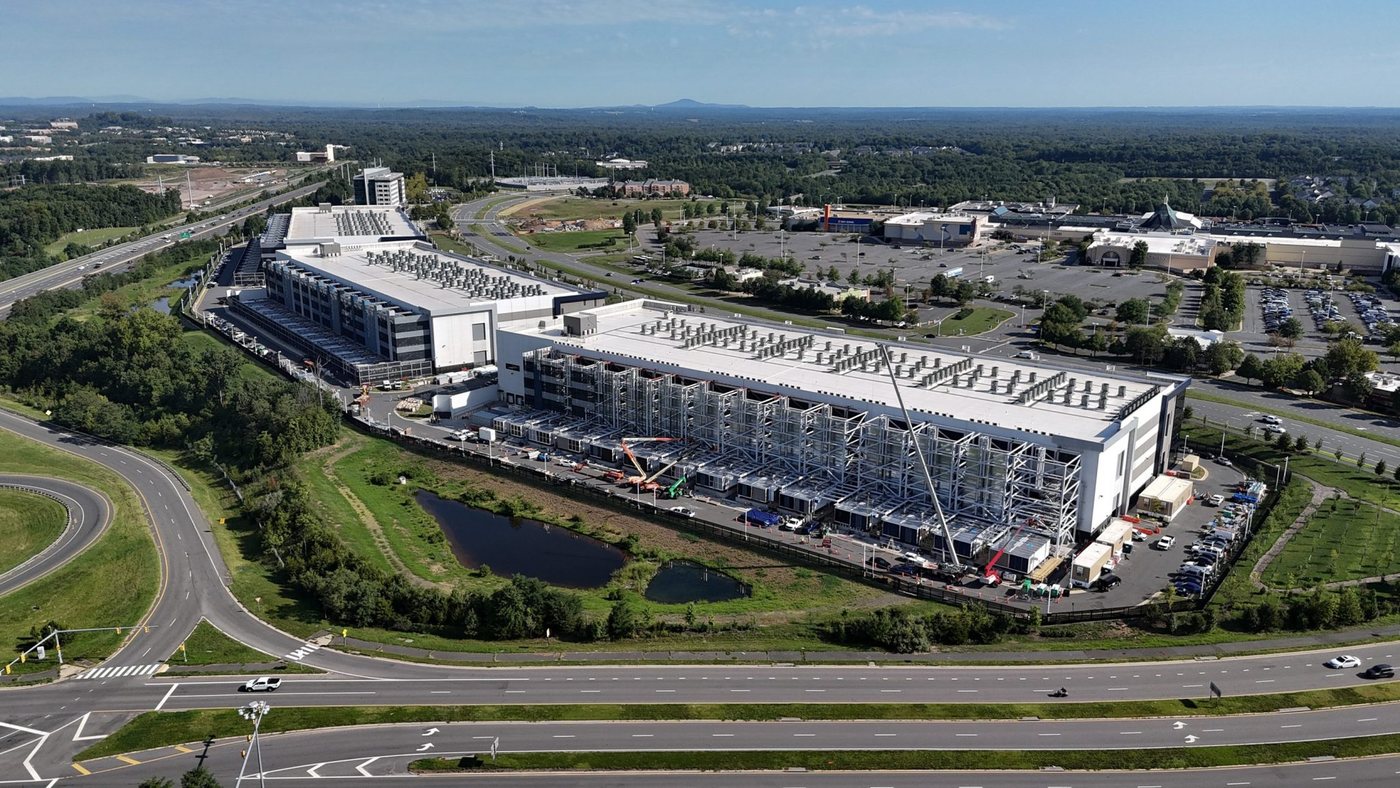
Amazon Web Services has committed more than $1 billion over five years to job training, free community college and energy efficiency upgrades, in an attempt to address growing local opposition to the data centres powering its artificial intelligence ambitions.
The programme, called Built Together, was announced by AWS chief executive Matt Garman in a corporate post on 2 October. It targets the most common complaints raised by host communities — that data centres push up energy bills, strain local infrastructure and deliver too few lasting benefits to residents.
Under the plan, Amazon will cover students' remaining community college costs after financial aid for certain certificates and associate degrees, including programmes in heating, ventilation and air conditioning, fibre optics and IT. The company estimates more than 300,000 students could gain access over five years.
Amazon also said its skilled trades centres aim to train up to 100,000 workers a year for jobs with the company and its construction partners by the end of 2028. In addition, it plans to fund energy efficiency upgrades for more than 30,000 homes and more than 300 schools and community buildings.
Local officials and community groups will help direct funding towards projects such as roads, parks, fire equipment, affordable housing and food assistance. Garman said the company would provide annual funding with transparent reporting on outcomes, adding: «This is not Amazon deciding what communities need — it is Amazon providing resources and letting communities decide.»
The announcement comes as hyperscale technology companies face mounting resistance to data centre expansion. New York imposed a statewide moratorium on new large data centres in July, and opposition has spread to major markets such as Virginia. A Washington Post and Schar School poll in March found that only 35 per cent of people in Virginia said they would be comfortable with a new facility being built there.
Amazon itself is facing objections in Loudoun County, Virginia, where officials are opposing a proposed 800,000-square-foot data centre project on the former George Washington University Virginia Science and Technology campus.
Garman used the announcement to defend the company's buildout, comparing it to public benefit projects such as the interstate highway system. He wrote that Amazon understands communities' «apprehension» about data centres, but warned that more than 100 proposed data centre moratoriums under construction could sideline the United States from the AI race.
«If these measures are enacted, the U.S. could be writing its own losing ticket to this race, and the consequences would last generations,» he wrote. «As a country, we can't afford to find ourselves in that position.»
Amazon is not alone in trying to make the data centre boom more acceptable to host communities. Microsoft pledged in January to cover the electricity and grid costs tied to its facilities, while Meta said it invested more than $550 million in water and wastewater infrastructure in its data centre communities.
Garman also pushed back on claims that data centres are responsible for higher electricity bills and water use. He argued that ageing grids are at fault for rising energy costs in some states, writing: «In instances where energy rates are going up, it's primarily because the grid is old and hasn't been invested in and expanded before the demand arrived.»
He said Amazon's average data centre uses less than 13,000 gallons of water per day, and that the facilities deliver tax revenue and construction jobs to host communities. In St. Joseph County, Indiana, Amazon estimates it will pay more than $3 billion in taxes over the same period, compared with $1.2 million that the land's previous use would have generated.
4