Politics 4 min read By Alice Ashford
David Cameron at 60: From Downing Street to the Foreign Office
David Cameron, who served as UK prime minister from 2010 to 2016 and returned to government as foreign secretary in 2023, turns 60 on 9 October 2026. His career has spanned opposition, coalition, referendum defeat and an unexpected return to the front bench.
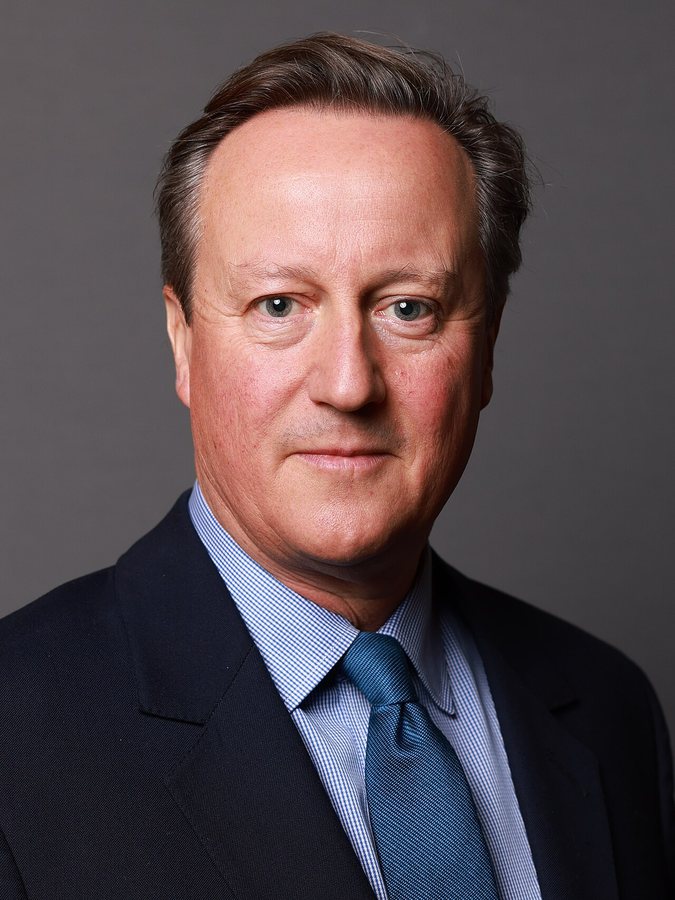
David Cameron, the former UK prime minister who later returned to government as foreign secretary, turns 60 on 9 October 2026. His career remains one of the most consequential and contested in modern British politics, defined by austerity, coalition government, the Scottish independence referendum and the vote that ended his premiership.
Cameron entered Downing Street in 2010 at the head of the first coalition government since the Second World War, formed between the Conservatives and the Liberal Democrats. At 43, he was the youngest prime minister in almost two centuries. His early agenda combined deficit reduction with a modernising social programme, including the legalisation of same-sex marriage in England and Wales, which passed in 2013 despite significant opposition within his own party.
His first term was dominated by economic policy. The coalition pursued a programme of public spending cuts designed to bring down the deficit inherited from the financial crisis. The approach was politically divisive, but the Conservatives emerged from the 2015 general election with a small majority, allowing Cameron to govern alone.
That second term proved short. In 2014, Cameron had campaigned successfully against Scottish independence in a referendum that kept the United Kingdom together. Two years later, he called a referendum on EU membership, having promised one in the 2015 Conservative manifesto. He campaigned to remain, but the country voted to leave by 52 per cent to 48 per cent. Cameron resigned as prime minister the following day, ending six years in office.
He left the House of Commons in 2016 and spent the following years outside frontline politics, writing his memoirs and taking on a range of commercial and charitable roles. His return to government in November 2023, when he was appointed foreign secretary and given a peerage, was unexpected. It made him the first former prime minister to serve in a subsequent cabinet since Alec Douglas-Home in the 1970s.
As foreign secretary, Cameron has focused on the war in Ukraine, the conflict in the Middle East and the UK's relations with European allies after Brexit. His tenure has coincided with a period of intense geopolitical pressure, including debates over defence spending and support for Kyiv. He has also represented the UK at international summits and in bilateral talks with leaders in Washington, Brussels and the Gulf.
His legacy remains sharply debated. Supporters credit him with stabilising the economy after the financial crisis, modernising the Conservative Party and keeping the union together in 2014. Critics point to the austerity programme's impact on public services, the decision to hold the EU referendum and the political turbulence that followed. The 2016 vote reshaped both main parties and led to years of negotiation over the UK's withdrawal from the European Union.
At 60, Cameron remains a member of the House of Lords and a serving cabinet minister. His birthday falls during a period when the government is managing economic pressures, public service reform and foreign policy challenges. Whether his later ministerial career will alter the assessment of his time in Downing Street is a question that will continue to be argued by historians and voters alike.
8