Sports 3 min read By Alice Ashford
Calgary Flames Goaltender Devin Cooley Says Stopping Overthinking Is Key to Performance
Calgary Flames goaltender Devin Cooley has offered a simple lesson in high performance: stop thinking. His four-word approach draws on neuroscience and psychology research into emotional intelligence and the dangers of overanalysis under pressure.
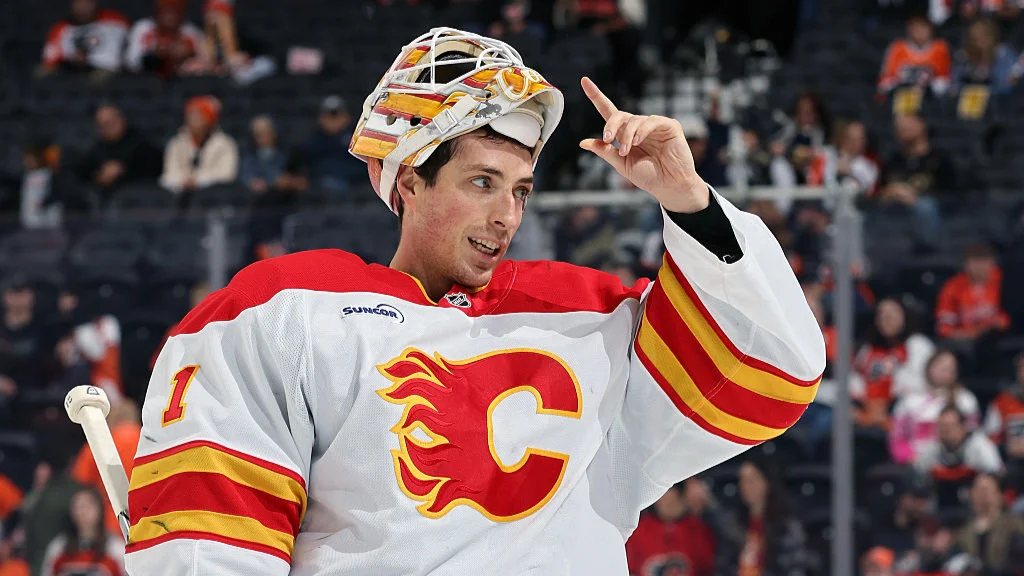
Calgary Flames goaltender Devin Cooley has distilled the secret of elite performance into a single instruction: stop thinking. In an interview that has drawn attention beyond ice hockey, the netminder argued that the best way to perform under pressure is to quiet the conscious mind and let trained instincts take over.
Cooley's four-word message — stop thinking — is not an argument for carelessness. It reflects a growing body of neuroscience and psychology research showing that overthinking disrupts the automatic processes that experts rely on in high-stakes moments. When a goaltender starts consciously analysing every movement, reaction times slow and decision-making becomes muddled. The same principle applies across sport, business and other fields where split-second judgment matters.
The insight carries particular weight in ice hockey, where goaltenders face shots travelling at extreme speed and have fractions of a second to react. Cooley's approach suggests that years of practice build the necessary patterns, and the task in competition is to trust them rather than second-guess them. That is easier said than done, which is why the psychological dimension of elite sport has become a serious area of study.
Sports psychologists have long observed that athletes who become overly analytical during performance can fall into a state sometimes described as paralysis by analysis. The phenomenon is linked to the way the brain handles learned skills: once a movement is mastered, conscious interference can degrade it. Cooley's comment captures that finding in plain language, and it explains why coaches often tell players to clear their minds and focus on the next action rather than the last mistake.
The lesson extends beyond the rink. In business and professional life, the same tension appears when people face high-pressure decisions and become trapped in loops of deliberation. Cooley's advice points toward preparation and trust in trained judgment, rather than endless internal commentary. It is a reminder that expertise is built in practice and must be allowed to operate when it counts.
For the Flames, the goaltender's mindset is part of the broader challenge of managing performance in a demanding league. Cooley's willingness to articulate the mental side of the game has resonated because it is both simple and counterintuitive: the path to better performance may begin not with more thought, but with less.

4