Technology 4 min read By Bethany Hadley
Blacksmith Reaches $1bn Valuation as AI Code Testing Demand Surges
AI code-testing startup Blacksmith has been valued at $1 billion after a $66 million Series C round led by Sequoia Capital, as demand for automated code validation surges alongside AI-generated software.
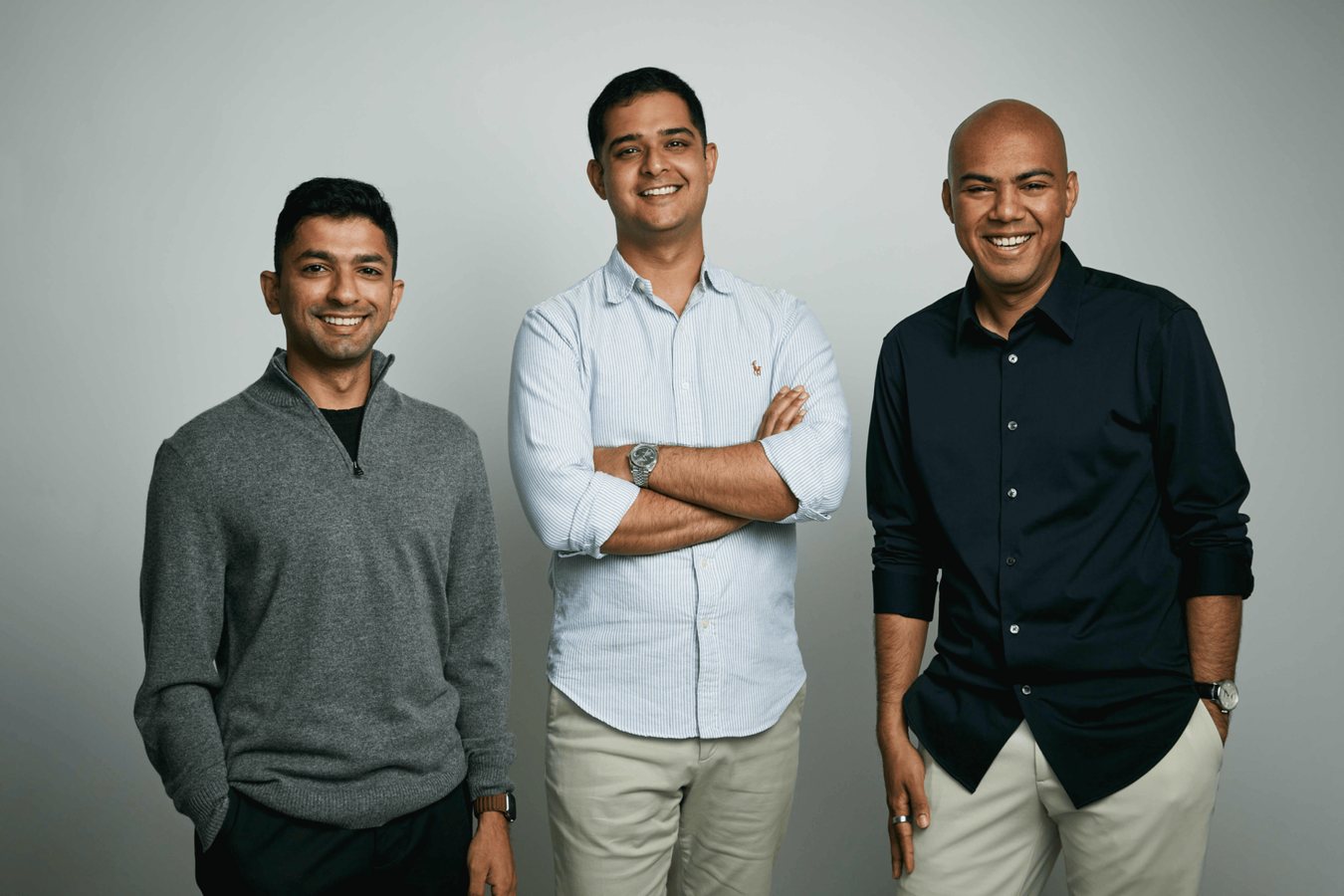
Blacksmith, a startup that provides the infrastructure companies use to test code before it ships, has been valued at $1 billion following a $66 million funding round led by Sequoia Capital. The Series C round comes about two months after the company raised a $45 million Series B led by Peak XV Partners at a $550 million valuation, bringing total funding to roughly $124.5 million.
The San Francisco and New York-based company says more than 10,000 companies now use its platform, up from about 5,000 in August. Its customers include well-known startups such as Granola, Handshake, Supabase and LangChain. At the start of the year Blacksmith ran 5 million validation checks a week; it now runs 90 million, while annual recurring revenue has grown 17-fold over the same period, according to cofounder and CEO Aditya Jayaprakash. Revenue is now in the tens of millions, with the largest customers spending more than $1 million a year.
Blacksmith was founded in 2024 by Jayaprakash and sells what developers call continuous integration, or CI: the automated builds and tests that code must pass before it can be merged into an existing codebase and deployed. Most companies run those jobs on servers rented from AWS, Google Cloud or Microsoft Azure. Blacksmith instead buys its own machines — tens of thousands of them, according to Jayaprakash — and installs them in data centres around the world, writing its own software to run them, including systems that save the repetitive setup work each test run would otherwise redo from scratch.
The surge in demand reflects a shift in how software is built. Developers used to spend about half their time writing code and the other half waiting for it to build and pass checks, Jayaprakash said. AI coding tools such as Cursor, OpenAI’s Codex and Anthropic’s Claude Code have made the first half «extremely easy», he said. «But now the bottleneck has shifted to the second piece, which is: how do I actually validate all this code?»
Even the leading AI labs are feeling the strain. Anthropic said last month that its own validation workloads grew 25-fold in six months as Claude took over most of its code output. Jayaprakash said capacity planning is one of the hardest parts of the business, because demand jumps every time a stronger model comes out. When Anthropic launched Claude Fable 5 in July, CI volume on Blacksmith rose 40%.
Blacksmith owns much of its own hardware, which Jayaprakash says gives the company control over performance but also exposes it to the industry-wide shortage of compute and memory. Most of the new funding will go towards purchasing more computing power. The company has about 40 employees and plans to reach around 75 by the end of the year.
As with many AI coding startups, there is a threat that leading AI model vendors — which already focus heavily on coding products — will eventually take over code validation themselves. Coding agents like Codex and Claude Code can already run a project’s tests as they work, and Cursor launched a product in March that lets companies set up agents to automatically review and test new code. Microsoft-owned GitHub sells its own hosted machines for running CI jobs.
Jayaprakash argues Blacksmith is complementary to what the AI model companies do, because better models mean more code to check. «Usage on us actually goes up,» he said.
6