Economy 2 min read By Arthur Ellington
Japan's Trade Deficit Hits Record $17.8 Billion as Iran War Drives Oil Prices
Japan posted a record 2.81 trillion yen trade deficit for the April-September fiscal half as the war in Iran pushed oil import costs higher, with exports and imports both reaching record highs.
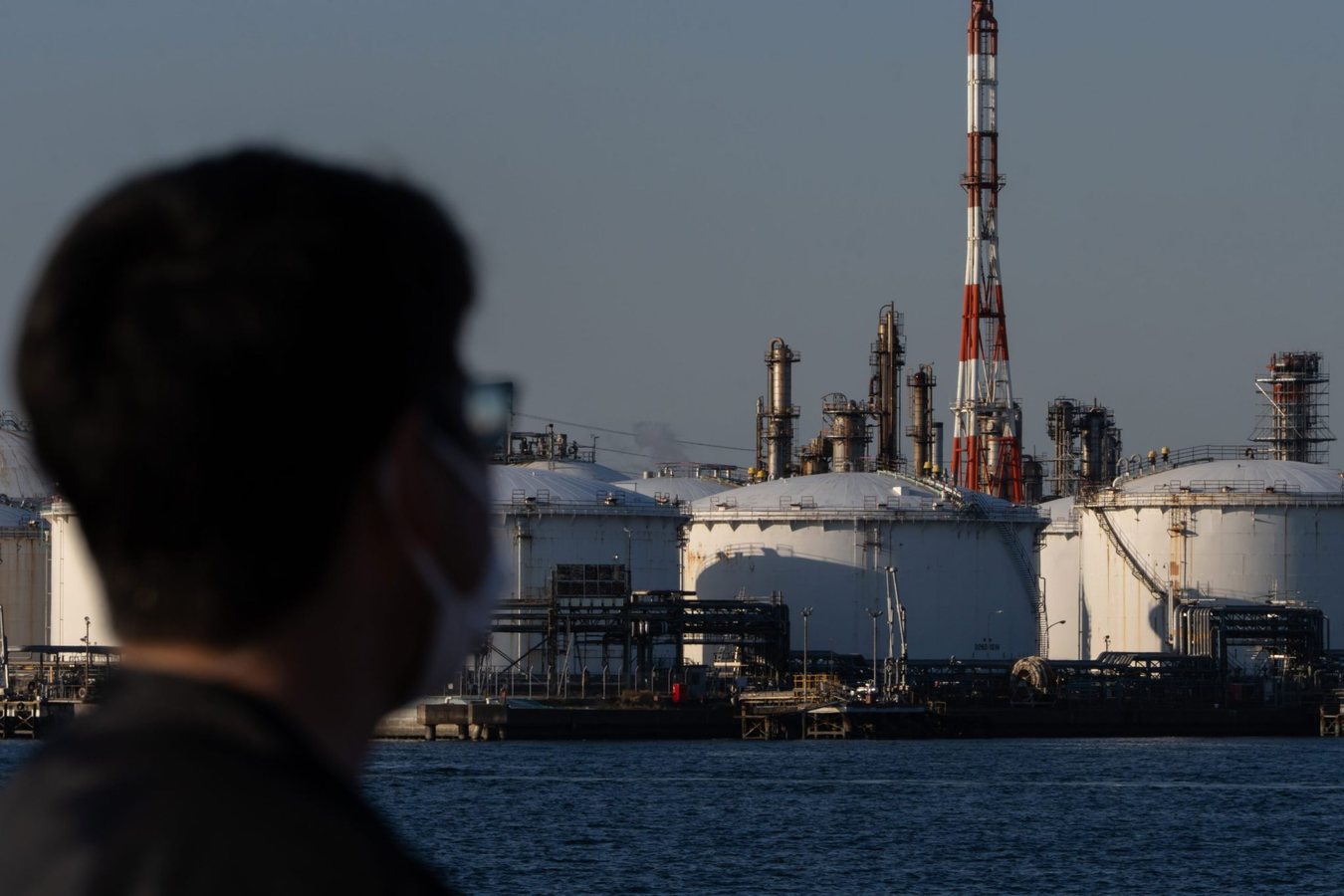
Japan recorded a trade deficit of 2.81 trillion yen ($17.8 billion) for the first fiscal half, government data showed, as the war in Iran drove oil import prices sharply higher. The Finance Ministry's preliminary figures revealed that exports for the April-September period rose 18.4% from a year earlier to 63.5 trillion yen, while imports climbed 20.4% to 66.3 trillion yen. Both totals were the highest ever recorded for Japan.
The surge in oil prices is rippling through a wide range of sectors, from plastic goods to shipping costs. Resource-poor Japan imports virtually all of its oil and has long depended on access to the Strait of Hormuz in the Middle East for its shipments. That route is now effectively blocked, forcing Japan to pay more to secure supplies via alternative routes. Brent crude, the international benchmark, has risen from $70 a barrel in February to around $110 a barrel, and analysts expect little relief soon.
For September alone, Japan's trade deficit stood at 536.6 billion yen, the fifth consecutive monthly shortfall, though down from 1.1 trillion yen in August. September imports grew 18.9% year-on-year while exports rose 16.7%. A further pressure point is the weakening yen, which inflates the cost of imports; the dollar has recently been trading in the 150-yen range.
The Bank of Japan, which kept borrowing costs at or near zero for years to support a fragile economy, has been gradually raising interest rates, partly to bolster the yen. Last month it lifted its benchmark rate to 1.25% from 1.0%, a 31-year high. Its monetary policy board meets again next week, with the bank targeting inflation of about 2%. The government has repeatedly stressed that it is working closely with the central bank.
Prime Minister Sanae Takaichi's administration is promising to cut the tax on food to 1% from 8% to help lower-income households cope with soaring prices. The bill is currently being debated in Parliament. The combination of record import costs, a weak yen and persistent deficits underscores the vulnerability of Japan's economy to energy shocks and global instability.
3