Business 4 min read By Alice Ashford
Ray-Ban maker EssilorLuxottica shares rise as strong eyewear sales ease AI glasses concerns
Shares in Ray-Ban owner EssilorLuxottica climbed after robust sales of conventional eyewear reassured investors worried about the outlook for AI-powered smart glasses.
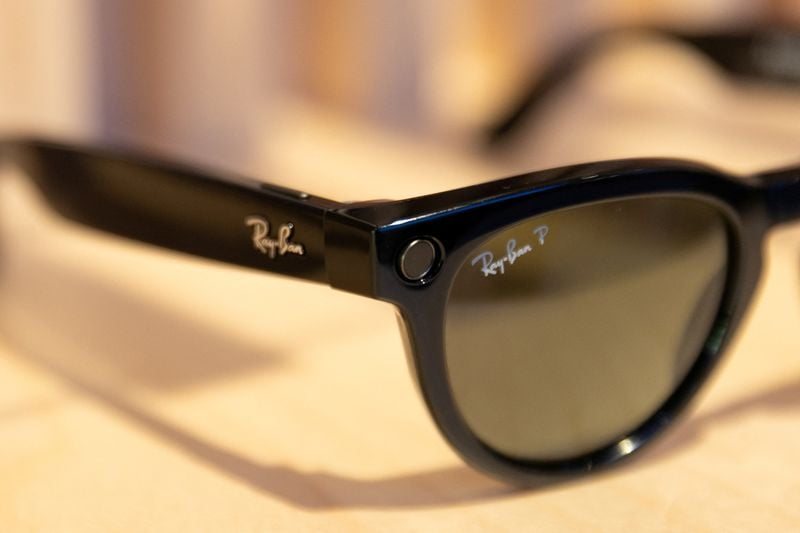
Shares in EssilorLuxottica, the company behind Ray-Ban and Oakley, rose sharply after strong sales of conventional eyewear helped calm investor anxiety over the performance of its AI-powered smart glasses. The rally suggests that demand for the group's core prescription and sunglasses business remains resilient even as questions linger over the commercial trajectory of its technology-enabled frames.
The company's stock gained ground as the market responded to evidence that its traditional eyewear divisions are continuing to generate solid revenue. That performance helped offset concerns that the nascent AI glasses category, which EssilorLuxottica has championed through its partnership with Meta, may take longer to deliver meaningful returns than some investors had hoped.
EssilorLuxottica has positioned itself at the centre of the emerging smart eyewear market through its collaboration with Meta on Ray-Ban branded glasses that incorporate cameras, audio and artificial intelligence features. The products have attracted considerable attention, but their contribution to group earnings remains modest relative to the company's vast conventional eyewear operations, which span lens manufacturing, retail and a portfolio of well-known brands.
The share price reaction indicates that investors are willing to look past near-term uncertainty around AI glasses so long as the underlying eyewear business continues to perform. Strong sales in that core segment provide a financial buffer that allows the group to invest in newer technology without undermining confidence in its earnings outlook.
EssilorLuxottica's scale in the global eyewear industry gives it significant influence over pricing, distribution and brand strategy. Its portfolio includes some of the most recognisable names in the sector, and its retail network stretches across multiple markets. That breadth means the company's results are closely watched as a barometer of consumer demand for both everyday eyewear and higher-end fashion frames.
The AI glasses segment has been a focal point for investors seeking exposure to wearable technology. However, the category faces questions about consumer adoption, privacy concerns and the practical utility of smart features in everyday settings. Those factors have made some shareholders cautious about how quickly the technology will scale.
The latest trading update appears to have reassured the market that the company's traditional strengths remain intact. By demonstrating robust demand for its conventional products, EssilorLuxottica has bought itself time to develop the AI glasses business and to refine its strategy for bringing smart eyewear to a broader customer base.
For now, the share movement reflects a balancing act familiar to many large consumer companies: managing expectations around a high-profile new technology while relying on established product lines to deliver dependable growth. EssilorLuxottica's ability to sustain momentum in its core eyewear operations will remain central to how investors judge its ambitions in the smart glasses arena.
6