Sports 4 min read By Arthur Ellington
Nick Saban's Alabama Legacy Extends Beyond Six Championships
Six national titles later, the economic and cultural impact of Nick Saban's tenure at the University of Alabama continues to pay dividends far beyond the football field.
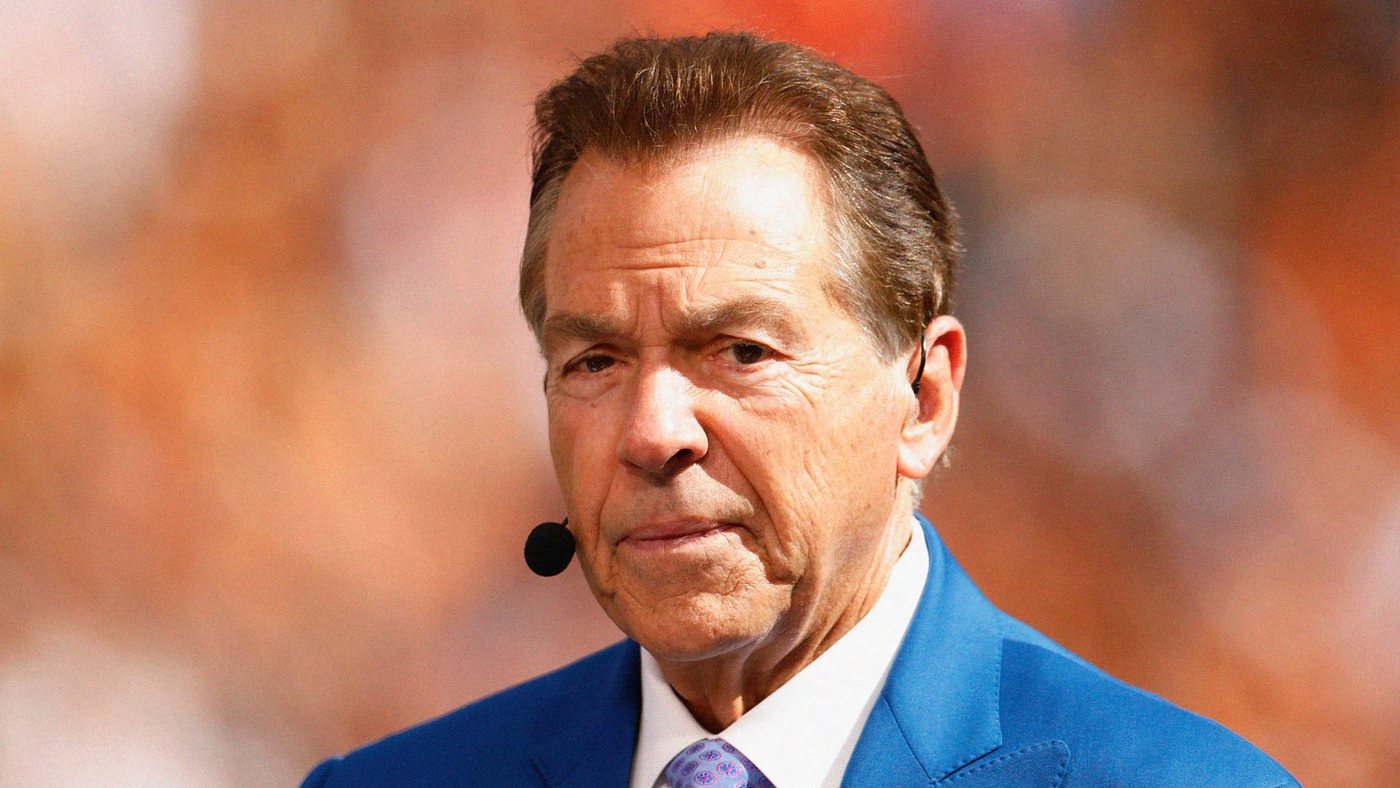
The economic and cultural footprint of Nick Saban's tenure as head coach of the University of Alabama's football programme continues to pay dividends well beyond the scoreboard, six national championships after his arrival in Tuscaloosa. Saban's impact has become a case study in how sustained sporting success can reshape the fortunes of a university, a city and a wider regional economy.
Saban took charge of the Crimson Tide in 2007 and went on to secure six national titles, establishing a period of dominance that few programmes in American college sport have matched. The success on the field translated into a broader phenomenon that has come to be known as the Saban Effect — a term used to describe the ripple of benefits that followed his appointment, from enrolment and investment to the visibility of the university on a national stage.
The most visible consequence has been the commercial and economic activity generated around the football programme. Home games in Tuscaloosa draw tens of thousands of visitors across a season, supporting hospitality, retail and accommodation businesses in the city and surrounding region. The university's brand, meanwhile, has gained a national and international profile that extends well beyond supporters of the sport, strengthening its position in recruitment, fundraising and partnerships.
Success of this kind is not confined to the stadium. Universities with high-profile athletic programmes often see knock-on effects in applications, alumni engagement and philanthropic giving, and Alabama has been no exception during Saban's tenure. The coach himself became a figure of wider public interest, with his leadership approach studied and discussed in business and management circles as much as in sporting ones.
The Saban Effect also illustrates a broader truth about modern college sport: that a successful team can function as a marketing engine for an entire institution. The visibility that comes with championship appearances reaches audiences far beyond the traditional fan base, and that exposure carries value that is difficult to quantify but widely recognised by university administrators and local policymakers alike.
For the state of Alabama, the programme has served as a point of pride and a driver of tourism, with major fixtures bringing visitors from across the country. The economic contribution of a successful football season is felt across the local supply chain, from restaurants and hotels to transport and event services, and it recurs annually rather than as a one-off boost.
Saban's record has also shaped expectations around leadership and institutional culture. His methods — an emphasis on process, discipline and consistent standards — have been cited in discussions of organisational performance outside sport, and his departure from the role marks the end of an era that redefined what a university football programme can mean to its surrounding community.
The legacy, however, is not solely a matter of trophies. The infrastructure, reputation and economic relationships built during his tenure are likely to outlast his time on the sideline, and the phrase used to describe his influence remains apt: six championships later, the Saban Effect is still paying dividends.

7