Society 5 min read By Bethany Hadley
US schools ban caffeine pouches as experts warn of health risks to pupils
School districts in New York, Kansas, Pennsylvania and Missouri have restricted caffeine pouches that can contain as much as two cups of coffee, amid concerns over pupil health, classroom disruption and their resemblance to nicotine products.
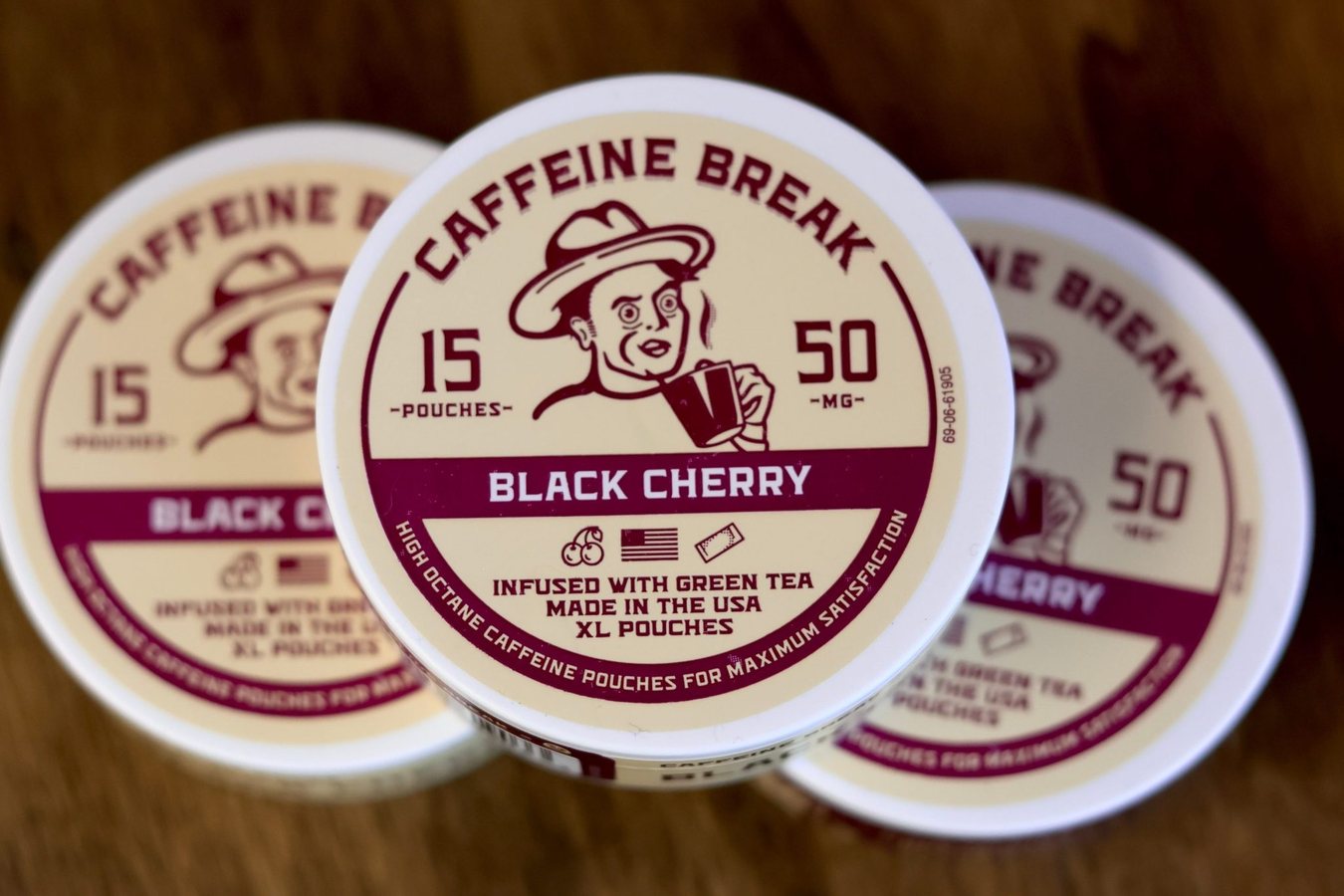
School districts across the United States are banning caffeine pouches from campuses as health experts warn the products can disrupt pupils' sleep, worsen anxiety and affect their development. The small packets, placed in the mouth between the lip and gum, are marketed as a discreet way to boost energy and focus but can contain as much as 200 milligrams of caffeine — roughly the amount in two cups of coffee, according to the American Academy of Pediatrics.
Districts in New York, Kansas, Pennsylvania and Missouri have added the pouches to student conduct policies or prohibited their use on school grounds. Others, including Onsted Middle School in Michigan and North Middle School in Wisconsin, have written to families asking them to leave the products at home. The restrictions come even though there is no federal minimum purchase age for caffeine pouches in the US.
One of the central difficulties for schools is that the pouches closely resemble nicotine products, making it hard for staff to tell what a pupil is using. Holton High School in Kansas says staff cannot reliably determine what substances are inside the pouches, so they are prohibited under rules against tobacco and simulated tobacco products. Violations may lead to disciplinary action or citations from law enforcement.
In New York, officials at the Peru Central School District raised concerns about the near-identical appearance of caffeine and nicotine pouches during a school board meeting in May 2025. The district's code of conduct now bans caffeine pills and pouches on school grounds. Joha Battin, associate director of student services for the district, said the real issue for middle and high schools was that it is impossible to know what a pouch contains when a student is using one.
Health organisations warn that excessive caffeine can cause a raised heart rate, tremors, anxiety, difficulty sleeping and, in serious cases, seizures. Caffeine can remain in the body for more than eight hours depending on a person's metabolism, and when its effects wear off users may experience headaches, irritability and tiredness. The American Academy of Pediatrics says avoiding caffeine is the best choice for children.
Rob van Dam, a professor of exercise and nutrition sciences at George Washington University, said the pouches could aggravate anxiety and sleep problems among teenagers already facing academic and social pressures, with potential consequences for their mental health, school performance and development. «You can get into a vicious cycle where kids just don't get enough sleep for their normal development and mental health,» he said.
Experts also worry that teenagers may lose track of how much caffeine they are consuming, particularly when pouches are combined with energy drinks and other caffeinated food and drink. The pouches release caffeine through the tissues of the mouth, so the effects are felt within minutes, and they come in flavours including coffee, mint, fruit and seasonal options such as pumpkin spice. Some health officials fear young consumers may mistake them for sweets or chewing gum.
The products are known on social media by nicknames such as «lip pillows», «lip cushies» and «upper or lower deckies», depending on where they are placed in the mouth. Makers and consumer trade groups, including ALP Pouch, declined to discuss the products when approached.
Nearly two-thirds of young people aged 12 to 19 consumed caffeine on a given day, according to a July report from the Centers for Disease Control and Prevention, with an average daily intake of about 31 milligrams — far below the amount found in some pouches. It remains unclear whether use is rising among American students, although some schools have reported seeing more of the products on campus.
For most healthy adults, the US Food and Drug Administration says up to about 400 milligrams of caffeine a day — roughly two to three 12-ounce cups of coffee — is not generally linked to health problems. Parents concerned about excessive consumption are advised to contact the Poison Control Center, while seizures, difficulty breathing, collapse or severe heart-related symptoms warrant emergency medical attention.
4