Culture 2 min read By Arthur Ellington
Concept Art Awards 2026 honour animation legends and emerging talent
The Concept Art Awards 2026 recognised artists behind the visual spectacle of films, animation and video games, from established veterans to rising creators.
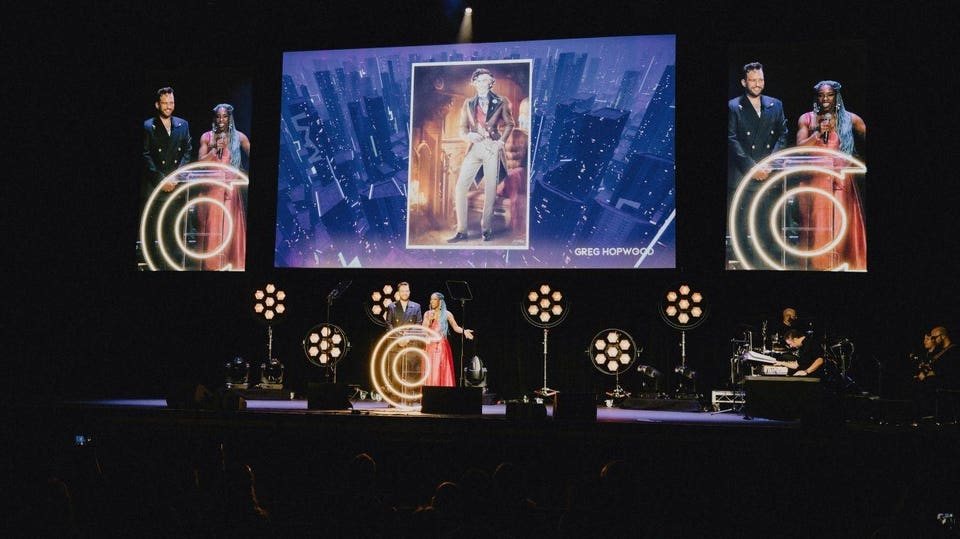
The Concept Art Awards 2026 have celebrated the artists whose work shapes the visual spectacle of films, animation and video games, recognising both long-established figures and emerging talent. The ceremony honours the people who design the worlds, characters and creatures that audiences see on screen, often long before the final production reaches a cinema or console.
The awards span the full range of the profession, from veterans whose work has defined the look of animated classics to newcomers at the start of their careers. By placing these creators side by side, the event underlines how concept art has become a central discipline across the entertainment industry rather than a behind-the-scenes craft known only to specialists.
Concept artists typically produce the early visual blueprints for a project, shaping tone, colour, setting and character design before production begins in earnest. Their drawings and paintings guide directors, animators, modellers and game designers, which means their influence often persists through every later stage of a film or game. The awards therefore function as a recognition of work that many audiences encounter without ever seeing the name of its creator.
The 2026 edition reflects a wider appetite within the creative industries for acknowledging the artists who build the imaginative foundations of popular media. As films and games rely more heavily on large-scale digital worlds, the demand for skilled visual development talent has grown, and events of this kind give those professionals a public platform.
The emphasis on both legends and future stars also points to continuity within the field. Established artists offer a benchmark for technique and storytelling, while younger creators bring new approaches shaped by digital tools and changing audience expectations. Recognising the two together highlights how the discipline is passed from one generation to the next.
5