Society 4 min read By Callum Montgomery
UK holidaymakers warned as cyclospora outbreak linked to Mexico travel
Health officials have issued a warning to British holidaymakers as cyclospora infections rise, with many cases linked to travel to Mexico. The parasite can cause severe digestive symptoms, including explosive diarrhoea.
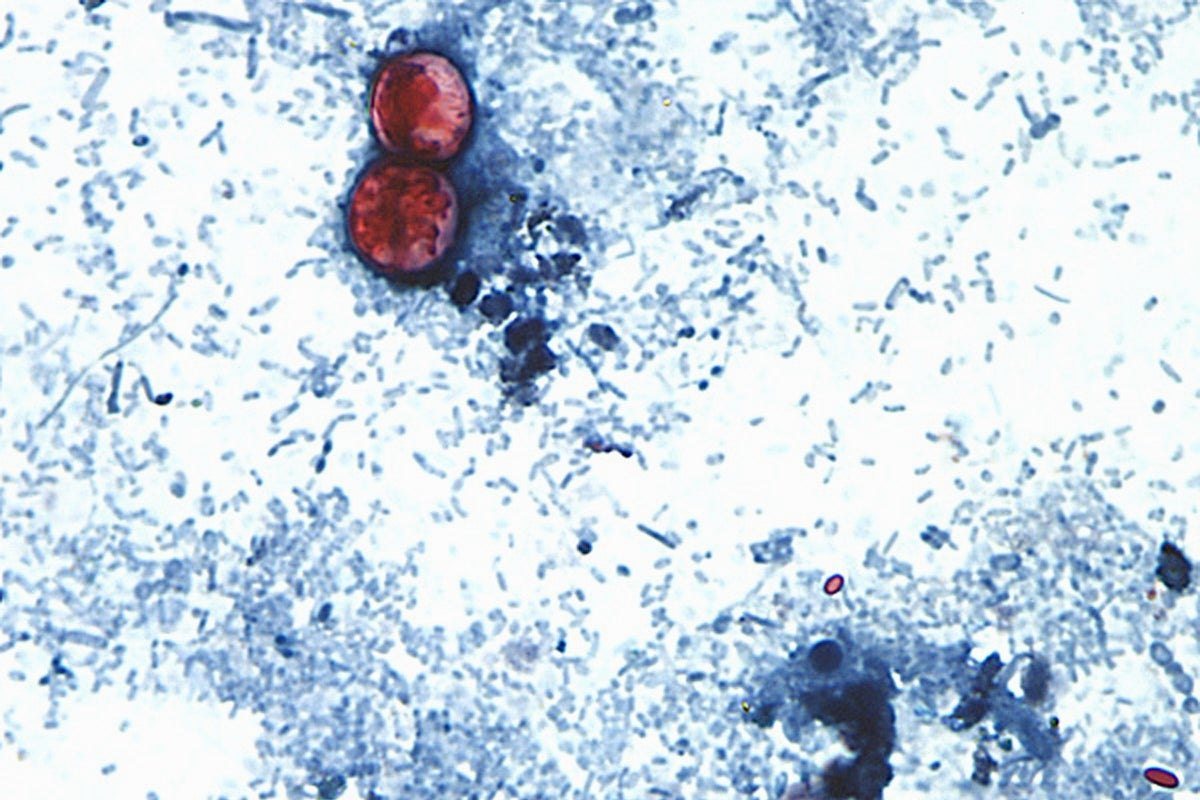
British holidaymakers have been warned to stay vigilant after health officials reported a sharp rise in cyclospora infections in the UK, with many of the cases linked to travel to Mexico. The parasite responsible, Cyclospora cayetanensis, causes an intestinal infection known as cyclosporiasis and can lead to severe digestive symptoms. The warning is aimed at people planning holidays to affected areas, as well as those already abroad.
Officials have issued a holiday warning as the infection spreads to the UK. The most striking symptom is «explosive diarrhoea», and although the illness is described as nasty, it is not considered life-threatening for most healthy people. Health officials have stressed that the condition should not be ignored, as it can seriously disrupt a holiday.
The recent increase in cases has been closely tied to travel to Mexico. Mexico is a common destination among UK travellers who have contracted the parasite, and holidaymakers heading there are being urged to take the risk seriously, particularly when eating and drinking overseas.
Cyclospora is a parasite that can be found in contaminated food, and the latest cases highlight how easily stomach infections can be picked up abroad. Officials have not given precise details about the source of this outbreak in public statements, but they have emphasised the need for travellers to be aware of the risks when choosing what to eat and drink.
Cyclosporiasis can be extremely uncomfortable, and symptoms may in some cases be severe enough to need medical care. Health authorities are advising anyone returning from Mexico or other affected destinations with persistent stomach problems to contact the NHS and mention their travel history, so that cyclospora is not overlooked. This is especially important for travellers who develop symptoms only after arriving home.
The holiday warning comes after reports of a noticeable rise in cyclospora infections in the UK in recent weeks. Public health bodies are monitoring the situation, and the alert is intended to protect travellers during the busy summer holiday period, when large numbers of British residents are heading abroad.
Travellers are being encouraged to check the latest advice before departure and to be careful about food and water hygiene while on holiday. The outbreak is also a reminder that holiday stomach bugs are not always caused by well-known viruses and bacteria such as norovirus or salmonella, which tend to receive more attention from the public.
Although cyclospora may be less familiar to British holidaymakers than other travel-related infections, the current increase shows that it deserves attention. Officials have described the infection as preventable and are urging people to follow precautions, particularly when visiting affected areas.
Anyone who becomes ill after a trip abroad is being advised not to dismiss the symptoms. Seeking medical help quickly and telling a doctor about recent travel can make it easier to identify the cause and ensure that the right care is provided.