

Politics 5 min read By Alice Ashford
EPA Repeals Power Plant Emissions Standards to Keep Coal Online for AI Data Centres
The US Environmental Protection Agency has finalised the repeal of Biden-era emissions limits on power plants, a move it calls the largest power sector deregulatory action ever. The decision is expected to keep older coal and gas plants operating longer to meet surging electricity demand from AI data centres, drawing fierce criticism from environmental groups.
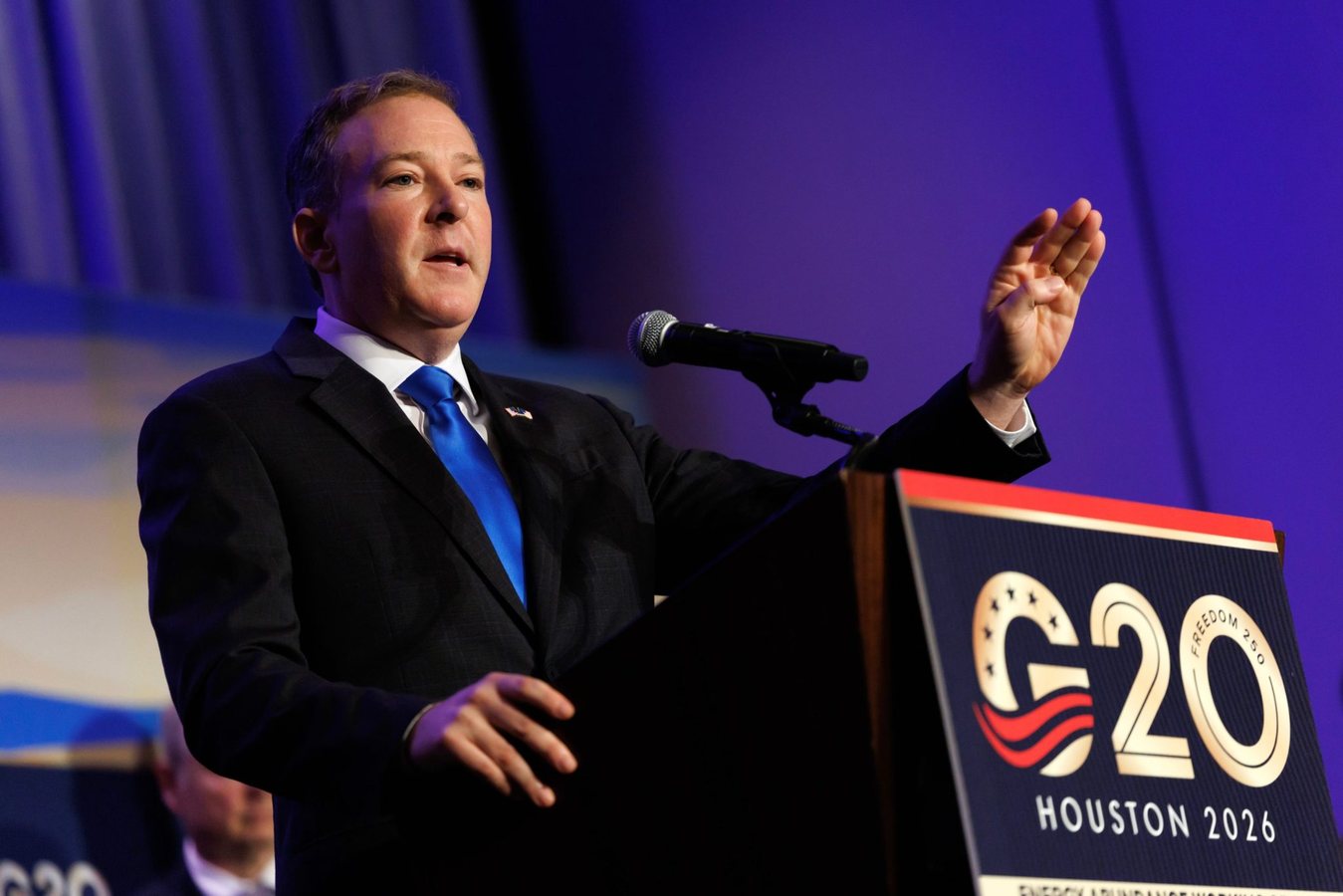
The US Environmental Protection Agency has finalised the repeal of emissions-reduction mandates for power plants, a decision it describes as the largest power sector deregulatory action ever. The move is expected to keep older coal and gas-fired plants viable for longer, providing additional energy for data centres and the artificial intelligence boom.
The EPA announced the repeal on Monday, undoing Biden-era standards that would have required power plants to cut or capture 90 per cent of their climate pollution. The agency also proposed to rescind all remaining greenhouse gas emissions standards for power plants and to roll back its own authority to regulate climate pollution from the sector, arguing that the Clean Air Act does not specifically mention climate change and that the EPA is not legally permitted to combat it.
«We are cutting the red tape to deliver the largest power sector deregulatory action ever,» EPA Administrator Lee Zeldin said at the G20 energy ministerial in Houston. «But we aren’t just stopping with the Biden administration’s overreach. We also are proposing to rescind all remaining greenhouse gas emissions standards for power plants — all of them.»
The announcement came shortly after the National Oceanic and Atmospheric Administration reported that the summer of 2026 was the warmest in US history, about 3 degrees Fahrenheit above average. The EPA said emissions from power plants have no material impact on global climate change, an assertion environmental critics called a lie.
Experts said the most immediate consequence will be to extend the operating life of coal and gas plants. Dan Romito, managing director at Opportune overseeing sustainability, described the rollback as a stopgap that balances climate goals with economic and energy reliability needs. «We need a little bit of a stopgap here. It’s not an ideal choice. But coal can fill that bill for three, four, maybe five years,» he said. «And that will allow the market to efficiently incorporate geothermal and nuclear solutions into the mix.»
Romito argued that the power needed for AI data centres will not appear overnight, and that keeping existing fossil fuel plants online is necessary to meet current demand without sacrificing affordability and reliability. He added that the move could relieve investor apprehension and provide more certainty to hyperscalers, while new gas-fired plants would be much cleaner than old coal plants.
Fossil fuel power plants are responsible for almost 25 per cent of the nation’s total climate pollution, second only to the transportation sector. Earlier this year, the EPA overturned its own 2009 endangerment finding, which determined that carbon dioxide and other planet-warming gases are a threat to public health, and repealed rules regulating emissions from motor vehicles.
Environmentalists condemned the latest action. «While wildfires rage, floods devastate communities, and families struggle to afford skyrocketing electricity bills and insurance premiums, the Trump administration is handing the fossil fuel industry a license to keep polluting,» said Sierra Club chief program officer Holly Bender. «This is full-throated climate denial while the climate crisis happens in real time and a shocking betrayal of the American public.»
Critics argue the rollback will cause thousands of unnecessary deaths from pollution and trigger many billions of dollars in additional healthcare costs. Legal challenges are expected, just as with the earlier vehicle emissions repeal. Zeldin said that if there is a problem with the law, it should be changed, and that the EPA will not dictate whether more data centres use coal, but will ensure the law is followed and that energy dominance is unleashed in every form.
The Trump administration contends that the «climate radicalism» of the Biden and Obama administrations was bad for business and energy affordability. Congressional permitting reform to expedite power projects, both clean and fossil fuel, appears unlikely to pass this year, leaving the market to adapt to rising electricity demand from the AI race.