Economy 5 min read By Callum Montgomery
Oil Prices Climb as Saudi Pipeline Attack Tightens Global Supply
Saudi Arabia has shut its East-West pipeline after an attack, removing a critical export route and pushing oil prices higher as fears grow over global energy security.
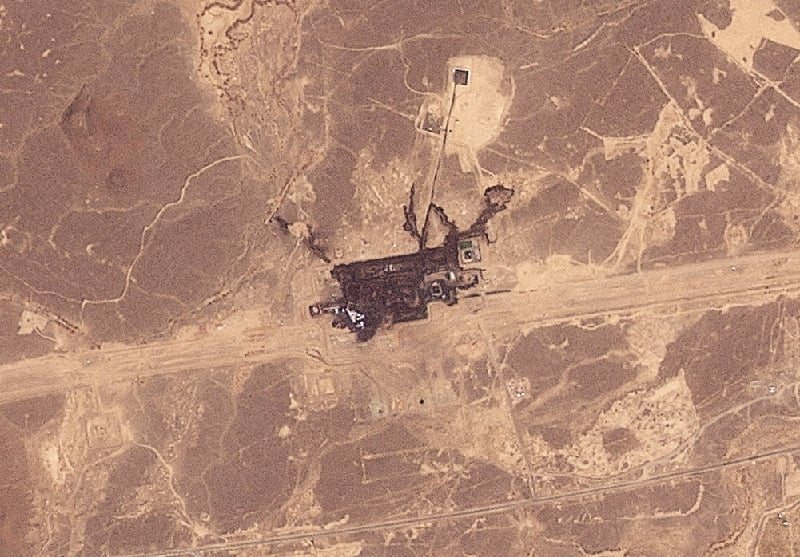
Saudi Arabia has closed its East-West pipeline following an attack on the infrastructure, a move that has pushed oil prices higher and intensified concerns about the fragility of global energy supply routes. The pipeline, which runs across the kingdom to the Red Sea, was shut on Friday after being struck, according to reports. The closure removes a key export artery at a time when energy markets are already unsettled by the conflict with Iran.
The East-West pipeline was built in the 1980s specifically as a contingency against the closure of the Strait of Hormuz, the narrow chokepoint through which roughly a fifth of global oil passes. Its design allowed Saudi Arabia to continue exporting crude from the Red Sea coast if Iran ever blocked the Gulf route. The fact that the pipeline itself has now been disabled by an attack underscores the widening reach of the conflict and the vulnerability of alternative supply lines.
Militias backed by Tehran are reported to have carried out the strike, which damaged the pipeline and forced the shutdown. The development has raised fears that global energy markets could face starker shortages, pushing up prices for fuel and other essentials. The closure also threatens to tighten supply at a moment when demand remains relatively firm, leaving traders to assess how quickly the kingdom can restore flows.
Analysts note that the loss of the East-West route is particularly significant because it was intended to be the fallback option. With the pipeline offline, Saudi Arabia’s ability to bypass Hormuz is severely curtailed. If the Strait of Hormuz were to be closed or disrupted, the kingdom would have few alternatives to get its crude to international buyers. That prospect is already being priced into oil markets, with benchmark crudes rising on the news.
The attack is the latest in a series of incidents that have unsettled energy infrastructure across the region. It follows a pattern of strikes on oil facilities and shipping that has kept markets on edge for months. Each new disruption adds a risk premium to prices, and the cumulative effect is a tighter and more volatile market.
For consumers, the immediate consequence is likely to be higher prices at the pump and increased costs for goods that depend on oil, from transport to plastics. For businesses, the uncertainty complicates planning and could weigh on investment. For governments, the episode highlights the difficulty of securing energy supplies when geopolitical tensions escalate.
Saudi Arabia has not yet indicated how long the pipeline will remain closed or what damage was sustained. The kingdom’s state oil company is expected to assess the situation and potentially reroute some exports, but the loss of the East-West line is a significant blow. The pipeline has a capacity of around five million barrels per day, though it typically operates below that level.
The broader context is a war with Iran that has already disrupted shipping in the Gulf and raised questions about the safety of key maritime routes. The conflict has drawn in regional proxies and created a volatile security environment. The attack on the pipeline suggests that even infrastructure far from the immediate front lines is at risk.
Oil prices had already been supported by supply concerns before the pipeline closure. The additional loss of a major export route has reinforced the upward trend. Traders will be watching for any sign of further escalation or retaliation, which could drive prices even higher. The situation remains fluid, and the market is likely to stay sensitive to headlines.
In the longer term, the incident may accelerate efforts to diversify energy routes and sources. But in the short term, the shutdown of the East-West pipeline is a reminder of how quickly a single attack can tighten global supply and affect prices far beyond the region.