Society 3 min read By Bethany Hadley
Prince Harry and six others appeal ruling against Daily Mail publisher
Prince Harry and six other public figures are appealing a summer High Court ruling that went against them in their privacy case against Associated Newspapers, the publisher of the Daily Mail.
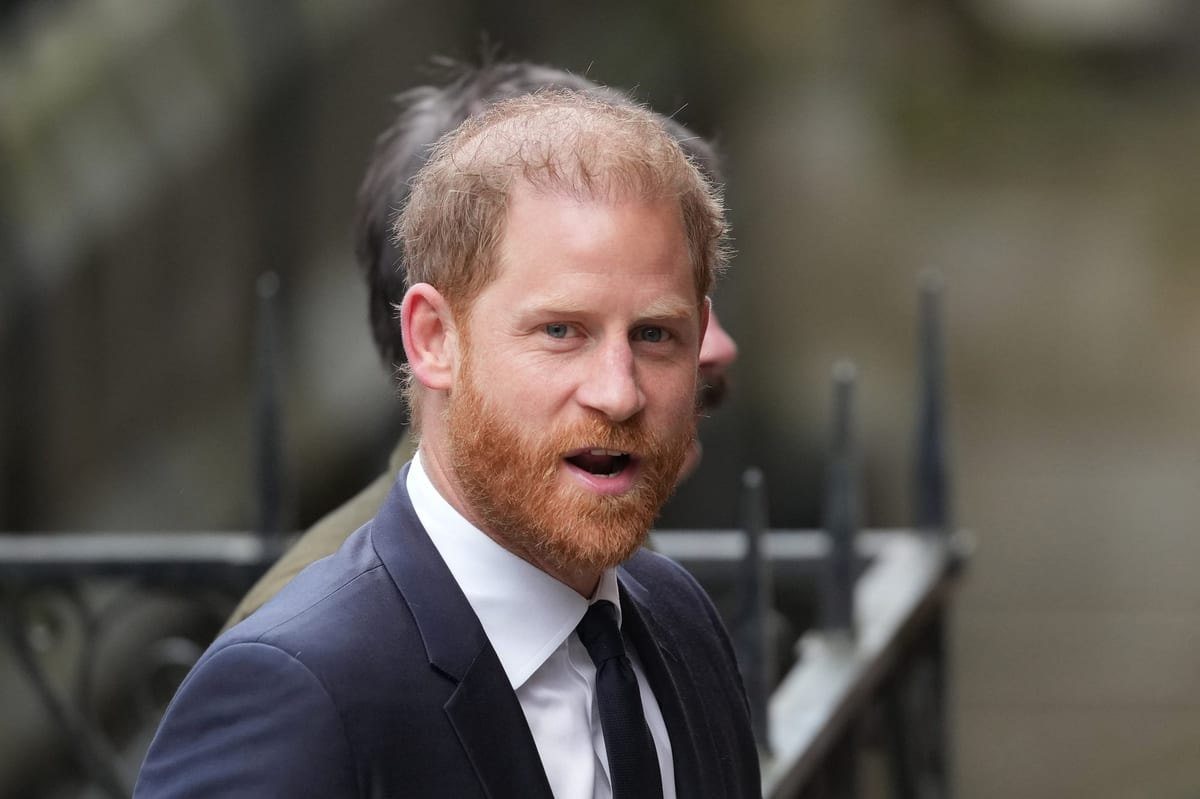
Prince Harry and six other public figures have lodged an appeal against a summer High Court ruling that went against them in their privacy case against Associated Newspapers, the publisher of the Daily Mail. The claimants, led by the Duke of Sussex, argue that the publisher unlawfully gathered information about them and intruded on their privacy.
The original judgment was delivered in the summer and found in favour of the publisher. Following that decision, the court ordered the claimants to pay millions of pounds in costs, a sum that adds considerable financial weight to the appeal. Harry is the most prominent name in the group, which also includes other well-known public figures who have chosen to challenge the outcome rather than accept it.
The case centres on allegations that the newspaper group obtained private information through unlawful means and published material that intruded on the lives of the claimants. The claim is not a single allegation about one story but concerns the methods used to gather information over a period, and the claimants contend that those methods crossed legal lines. Associated Newspapers has defended its journalism throughout the earlier proceedings, maintaining that its reporting was legitimate and in the public interest. The publisher has not, according to the reporting available, altered that position in response to the appeal.
The appeal was filed after the summer judgment, but no hearing date has yet been reported, and no further ruling has been issued. It remains unclear from initial reports exactly which grounds the claimants are relying on to challenge the High Court decision, so the scope of what the Court of Appeal will be asked to consider is not yet defined. Until the appeal is heard, the outcome remains uncertain, and the original finding in the publisher's favour stands.
The costs order is likely to draw particular attention. Legal costs in privacy and libel litigation in England and Wales can be substantial, and an order for multi-million-pound payments places the claimants under heavy financial pressure whatever the result of the appeal. For that reason, the financial exposure faced by individuals who take on large national publishers is a recurring concern in discussions about access to justice, and observers will be watching how the appeal is handled and whether the costs position is revisited.
The case also forms part of a wider debate in Britain over the boundaries between press freedom and personal privacy. Supporters of the claimants argue that powerful publishers should be held to account when they use intrusive methods, while the press has long argued that robust reporting, including on public figures, depends on the freedom to investigate and publish. The outcome of the appeal could therefore carry implications beyond the parties involved, shaping how privacy claims against newspapers are pursued and defended in the courts.
5