Business 4 min read By Bethany Hadley
Huang confesses affair with woman US intelligence suspects of spying for China
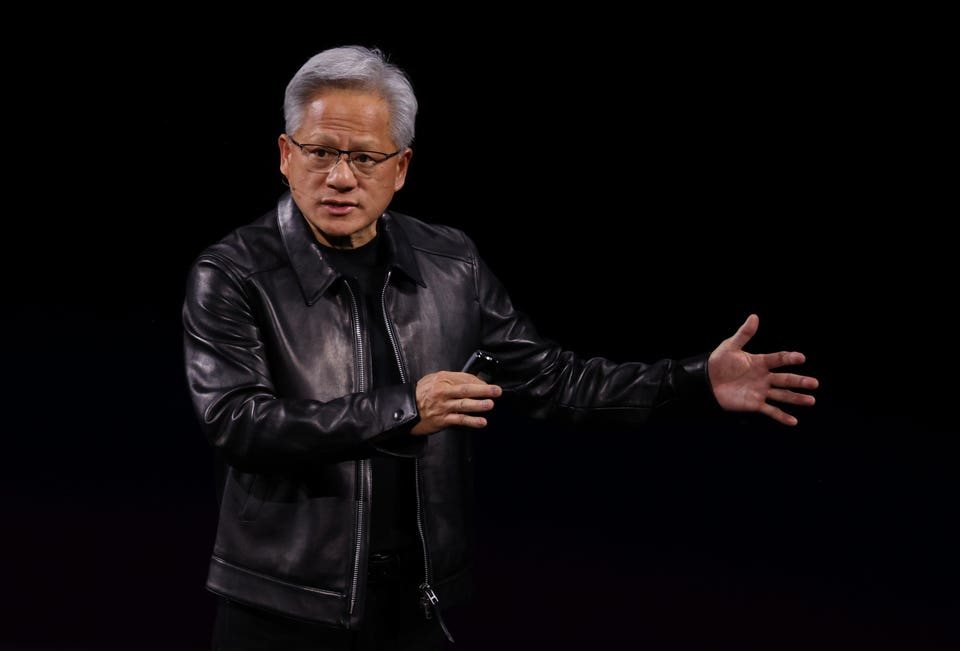
Nvidia chief executive Jensen Huang has admitted an affair with Alice Huang, a Singapore data centre executive whom US intelligence reportedly believes was a Chinese intelligence asset, as the company faces scrutiny over its chip sales to China.
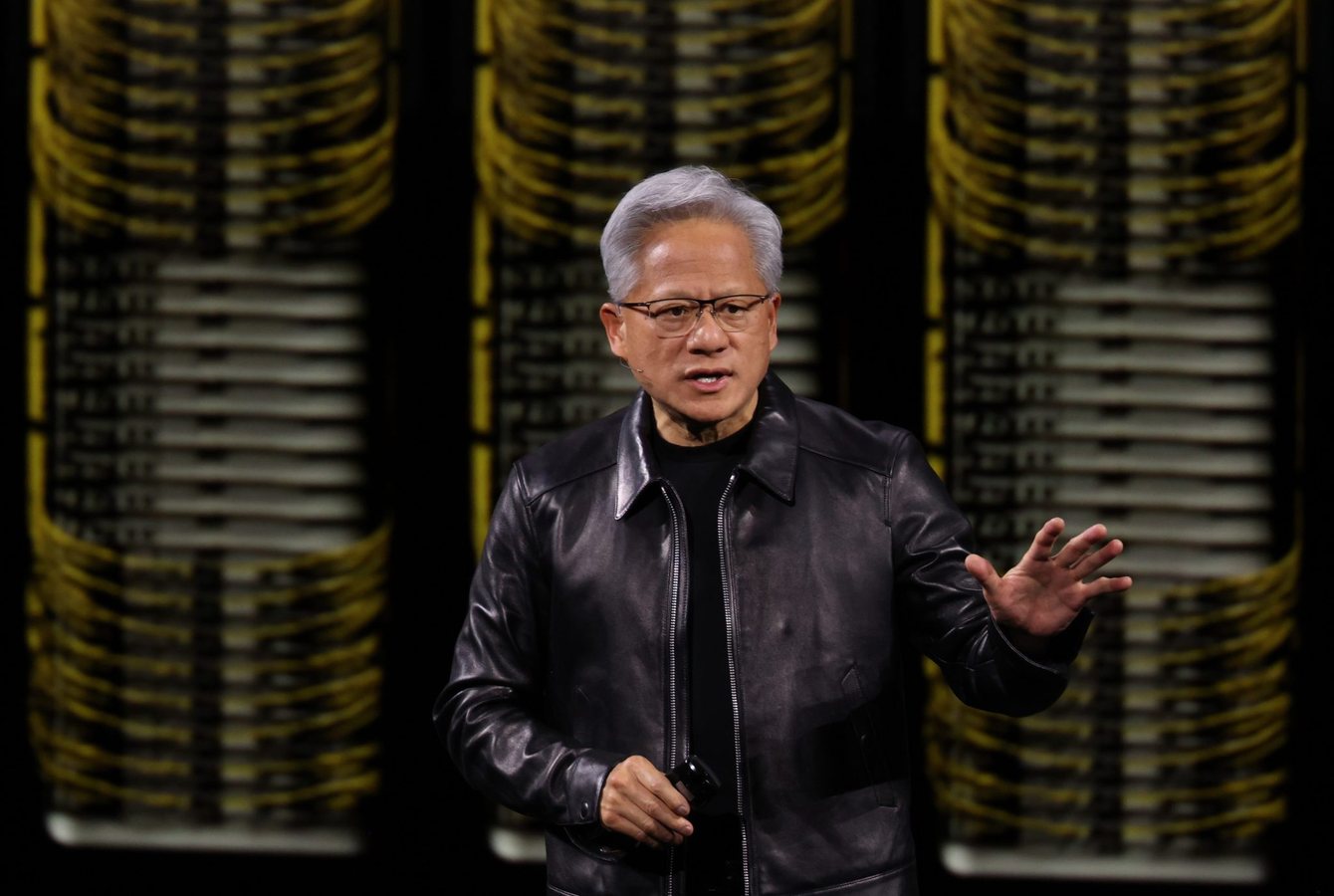
Nvidia chief executive Jensen Huang has confessed to an affair with Alice Huang, an executive at Singapore data centre operator Megaspeed, a woman who U.S. intelligence reportedly believes was a Chinese intelligence asset. The relationship emerges at a sensitive moment for the chipmaker, which depends on export licences to sell its most powerful artificial intelligence processors into a market that Washington has largely restricted. Alice Huang is not related to Jensen Huang.
In a memo to staff, Huang acknowledged he had been « unfaithful » and said there was « no excuse » for his conduct. Photographs show the pair together in Taipei as early as June 2024, but the duration of the relationship has not been established. Nvidia's board has formed an independent committee to examine whether any secrets or national security information may have been compromised. The board said it had « no reason to believe » either party had been compromised. Huang remains in his post and has said he will cooperate fully with the review. A company spokesperson said the news would not slow Nvidia's business.
The timing is awkward because of remarks Huang made only weeks earlier. In October he told Fortune that China was a « large and growing » opportunity and that Nvidia « could be of great service » to the country. Those comments were made before the affair became public, and they now sit alongside questions about how closely the company's chief executive was tied to a person Washington considers a security concern.
Nvidia's position in China is shaped by a tight web of rules. The United States bars sales of most of its most advanced AI chips to Chinese customers, although licensed sales of older and scaled-down graphics processing units are permitted. Beijing, for its part, has tried to stop major technology firms from buying Nvidia chips. In December 2025 President Donald Trump allowed sales of the H200 chip to China, with 25 per cent of the revenue going to the U.S. government. Huang lobbied Trump on export controls before that decision was made. Since August 2025, Nvidia has excluded China from its revenue forecasts, reflecting the uncertainty around the market.
Megaspeed sits at the centre of a separate concern. Its Malaysian affiliate bought at least $4.8 billion of Nvidia-chip equipment between June 2024 and February 2026, according to reporting. U.S. officials have scrutinised Megaspeed since 2024 over suspicions that it helped evade export controls, and the broader concern is that Chinese artificial intelligence firms obtain Nvidia graphics processors through smuggling routes or front companies. Neither Megaspeed nor Alice Huang has responded to requests for comment.
China's foreign ministry dismissed the allegations as « groundless speculation and slander ». Members of the House of Representatives have asked Jensen Huang to attend a private briefing after the company's next earnings report, and lawmakers are expected to press him on whether the push for Chinese sales risks U.S. interests. For Nvidia, the episode raises questions that go beyond a personal scandal, touching on governance, the security of its technology and the limits of its ambitions in a market it still considers large.
Source: fortune.com
4