Society 5 min read By Callum Montgomery
Firefighters battle huge wildfire near Bordeaux as Spanish PM warns of climate emergency
Authorities in France are struggling to contain a massive wildfire near Bordeaux that has forced nearly 220,000 people to flee, while Spanish Prime Minister Pedro Sánchez warns that the Iberian peninsula is suffering the effects of the climate crisis.
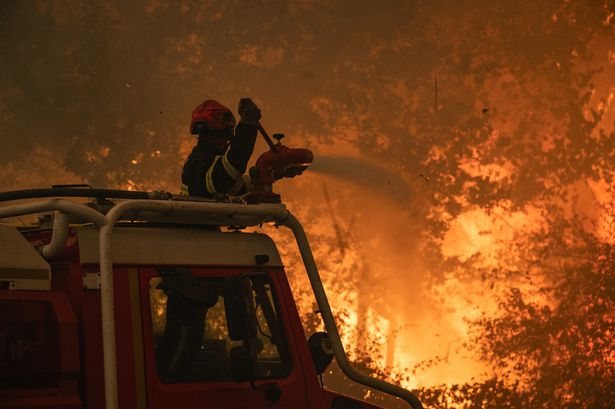
Firefighters in France are battling to contain a huge wildfire near Bordeaux that has already consumed an area four times the size of Paris and forced nearly 220,000 people to evacuate. The blaze in the Gironde region of south-western France has proved difficult to control, with windy conditions on Saturday night hampering efforts to extinguish it. As the crisis unfolds, the French government has warned that the fires have reached unprecedented levels, while Spanish Prime Minister Pedro Sánchez has stated that Spain and the Iberian peninsula are suffering the effects of the climate emergency.
The wildfire near Bordeaux is just one of several blazes affecting both France and Spain, as a forecast of another heatwave threatens to deepen the crisis. In Spain, two major fires near Madrid merged into a single, rapidly spreading blaze, forcing further evacuations and causing widespread damage. Authorities in the Spanish capital have reported that the fires are coming under control, but the situation remains tense as hot and dry conditions persist across the region.
The scale of the disaster has drawn a dramatic response from local communities. In France, farmers have been riding into the inferno on their tractors to help firefighters protect homes and vineyards, with some describing the scene as apocalyptic. The entire city of Bordeaux has faced the threat of evacuation as the flames advanced, though authorities have so far avoided a full-scale urban evacuation. Thousands of holidaymakers have been urged to avoid the area, and many British expats living in the region have reported that the air smells strongly of burning, with a persistent smoky stench hanging over entire towns and villages.
The environmental and human toll of the wildfires is becoming increasingly clear. In addition to the vast area of forest and agricultural land destroyed, hundreds of homes have been lost, and many residents have described narrow escapes as they fled the advancing flames. One evacuee in Spain said the scene was “like the apocalypse”, as entire neighbourhoods vanished behind walls of fire. The authorities have set up emergency shelters and are providing support to the displaced, but the sheer number of evacuees has stretched resources to the limit.
Pedro Sánchez, speaking from Madrid, linked the wildfires directly to the climate crisis, warning that the Iberian peninsula is particularly vulnerable to the effects of global heating. He called for urgent action to reduce carbon emissions and strengthen resilience against extreme weather events. His comments echo similar warnings from scientists and environmental groups, who have pointed to a pattern of increasingly intense and frequent wildfires across southern Europe in recent years.
French Prime Minister Lecornu said the fires had reached “a level that has never been seen before”, and praised the courage and dedication of firefighters who are working around the clock to save lives and property. However, he also cautioned that the situation remains highly unpredictable, with shifting winds and high temperatures continuing to challenge containment efforts. Meteorologists predict that the heatwave conditions could persist for several more days, raising the risk of new outbreaks and further spread of existing fires.
The wildfires have also drawn attention to broader questions about land management, urban planning, and the need for greater investment in fire prevention and emergency services. Experts argue that the combination of climate change, prolonged droughts, and the abandonment of traditional farming practices has created a tinderbox in many parts of southern Europe. They stress that while immediate firefighting efforts are vital, long-term strategies are also needed to reduce the risk of catastrophic blazes in the future.
As the crisis continues to unfold, both French and Spanish authorities are urging residents to remain vigilant and follow evacuation orders promptly. The European Union has offered assistance, and several member states have already sent firefighting aircraft and personnel to support the affected regions. The coming days will be critical in determining whether the fires can be brought under control before they cause even greater destruction.
73