

Society 4 min read By Callum Montgomery
Education secretary vows to undo Gove's «straitjacket» school reforms
Lucy Powell has vowed to reverse Michael Gove's school reforms, saying his «one-size-fits-all» approach placed schools in a «straitjacket» and did not suit all children.
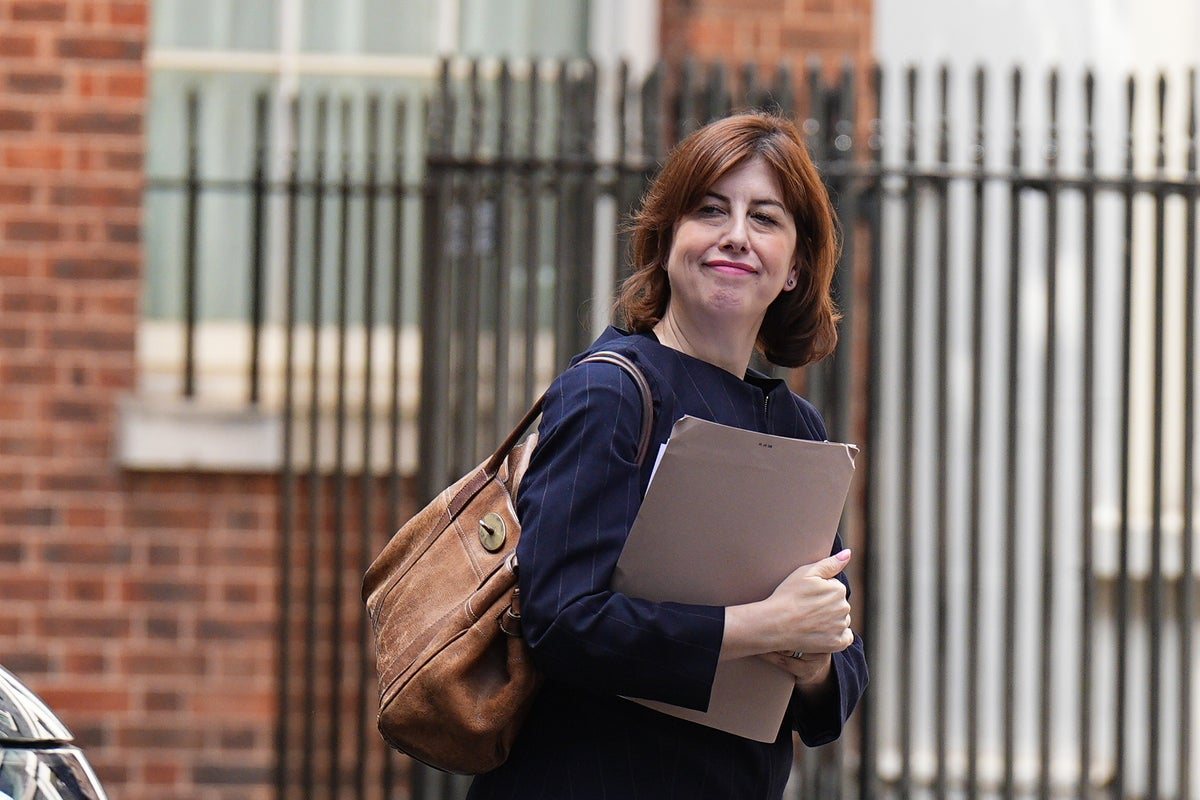
Lucy Powell has vowed to undo the school reforms introduced by Michael Gove, accusing the former education secretary of placing schools in an academic «straitjacket». In her new role as Education Secretary, Powell said the «one-size-fits-all» approach championed by Gove had not worked for all children.
The Education Secretary said the reforms prioritised academic subjects and gave too little weight to the different talents and needs of pupils. She argued that a system designed around a single idea of success had become restrictive, and she promised to reverse the changes. Her remarks were a direct challenge to the legacy of the man who had shaped the reforms while running the Department for Education.
Powell's choice of language was pointed. The word «straitjacket» evokes a system that constrains schools rather than supporting them. In her view, Gove's reforms did not simply make the curriculum more academic; they forced every school into the same pattern and left children who did not fit that pattern without enough options. She said the underlying problem was the belief that one approach could be applied to everyone.
The new Education Secretary was clear about the problem. «The one-size-fits-all approach doesn't suit all children,» she said. That sentence sums up the case against the reforms: what works for one pupil does not necessarily work for another, and a rigid model inevitably leaves some behind. Powell argued that schools had spent years operating inside a framework that narrowed their freedom and limited their ability to respond to the children in front of them.
She used the phrase «one-size-fits-all» to describe the reforms, and that phrase captures the essence of her objection. Powell believes that schools have been treated as if they were all the same and that pupils have been expected to follow the same route. In her view, this ignored the reality that children arrive at school with different abilities, interests and backgrounds.
Her criticism was directed at the effects of the reforms on children themselves. In her account, the pressure to meet the same academic expectations left too little space for other forms of ability and for the different ways children learn. The solution, she suggested, was not to make minor adjustments but to undo the reforms altogether.
The strength of her language distinguishes this intervention from a call for minor changes. By describing the reforms as a straitjacket, Powell questioned the foundations on which the school system had been built and signalled that she regards the existing framework as an obstacle rather than a starting point.
Gove's reforms were not a single policy but a wider set of changes that reshaped the environment in which schools operated. Powell's response reflects the scale of that legacy: she has made clear that leaving the reforms in place is not an option and that the next phase of school policy should look different.
Her vow to undo the changes implies a different starting point for education policy, one based on flexibility and on the needs of the individual child rather than on a uniform template. Powell did not set out every detail of what should replace the current framework, but she made the direction clear. For her, the priority is to build a system that adapts to children rather than forcing children to adapt to it.