Society 4 min read By Alice Ashford
Andy Burnham to Tighten Benefit Rules and Warns NHS at Risk Without Social Care Reform
Prime Minister Andy Burnham has announced plans to make claiming benefits harder as part of efforts to reduce the welfare bill, while also warning that the NHS faces collapse unless social care is reformed.
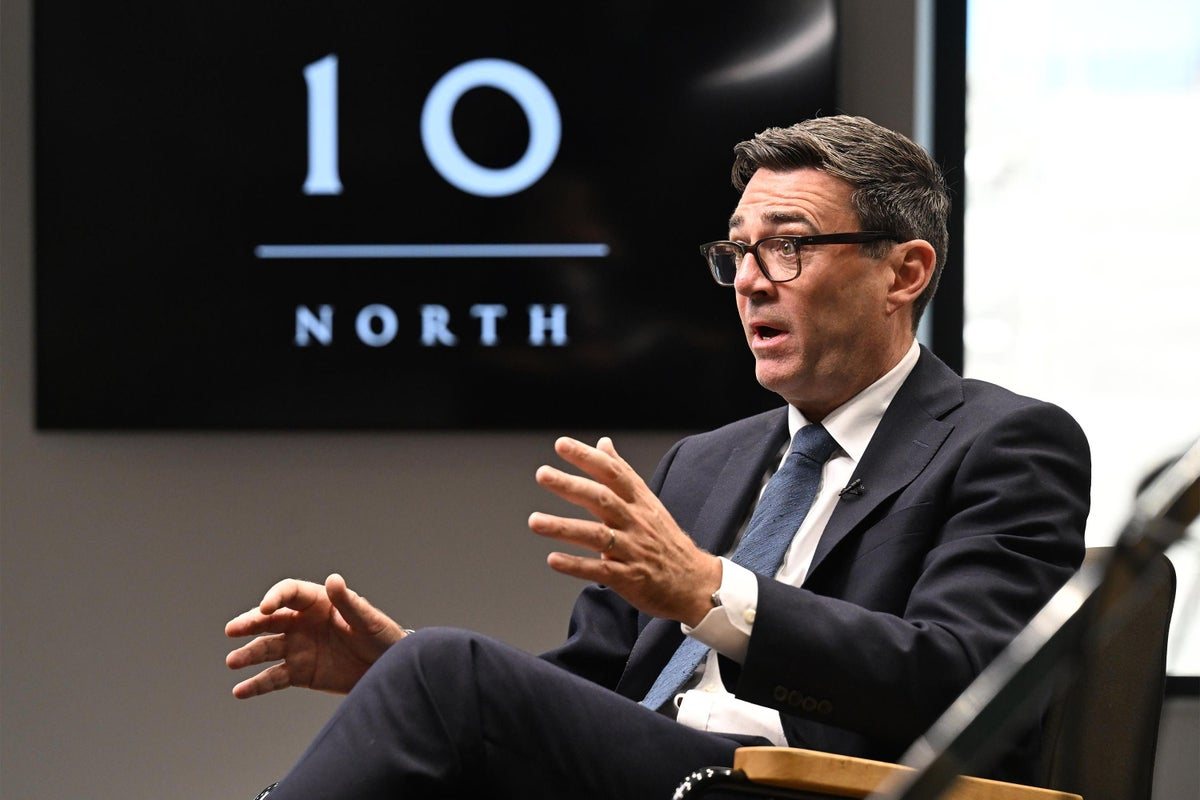
Prime Minister Andy Burnham has signalled a major shift in welfare policy, vowing to make it harder for people to claim benefits as part of a drive to cut the rising cost of the welfare system. In his first full interview since entering Number 10, Burnham said the government must “get serious” about reducing the ballooning welfare bill, warning that without action, the system would become unsustainable. The comments come as the new administration faces mounting pressure to address both the growing welfare budget and the deteriorating state of social care in England.
Burnham, who took office last week, outlined his intention to introduce stricter conditions for benefit claimants, though he stopped short of providing specific details or a timeline. He emphasised that the welfare system must be reformed to encourage work and reduce dependency, while also ensuring support reaches those who genuinely need it. The Prime Minister’s remarks have already sparked debate over the potential impact on vulnerable groups, with critics arguing that tougher rules could push more people into poverty.
Alongside the welfare overhaul, Burnham issued a stark warning about the National Health Service, stating that the NHS will “collapse” unless the social care system is fundamentally fixed. He described social care as “broken” and said that without rapid reform, the entire healthcare system could effectively fall apart. Burnham pledged to use “whatever political capital I have” to finally secure a lasting solution to the long-standing crisis, which has left many elderly and disabled people without adequate support.
The Prime Minister acknowledged that creating a new system for social care will take time and refused to put a timetable on its arrival. He stressed the need for cross-party consensus and public backing to achieve meaningful change, noting that previous governments have failed to tackle the issue despite repeated promises. Burnham’s comments come after years of warnings from health experts and local authorities about the unsustainable pressure on both the NHS and local care services.
In the interview, Burnham also addressed the broader economic context, suggesting that welfare reform and social care investment are linked. He argued that cutting the welfare bill would free up resources to fund health and care improvements, but insisted that savings must be achieved through reform rather than indiscriminate cuts. The government is expected to consult with stakeholders, including local councils, charities, and business groups, before outlining detailed proposals later this year.
The Prime Minister’s stance represents a significant shift from previous Labour leadership positions, which had focused more on expanding welfare support. Burnham, a former health secretary and mayor of Greater Manchester, has long advocated for integrated health and social care. His election as Prime Minister has raised expectations that he will deliver on pledges to reform the system, though the scale of the challenge remains daunting. With the welfare bill continuing to rise and the NHS under severe strain, all eyes will be on Downing Street for the next steps.
99