Politics 4 min read By Arthur Ellington
Patriot scarcity turns European solidarity into an inventory decision
Europe is financing new missile production, but Ukraine’s winter needs will be decided by who releases existing stocks before replacement capacity arrives.
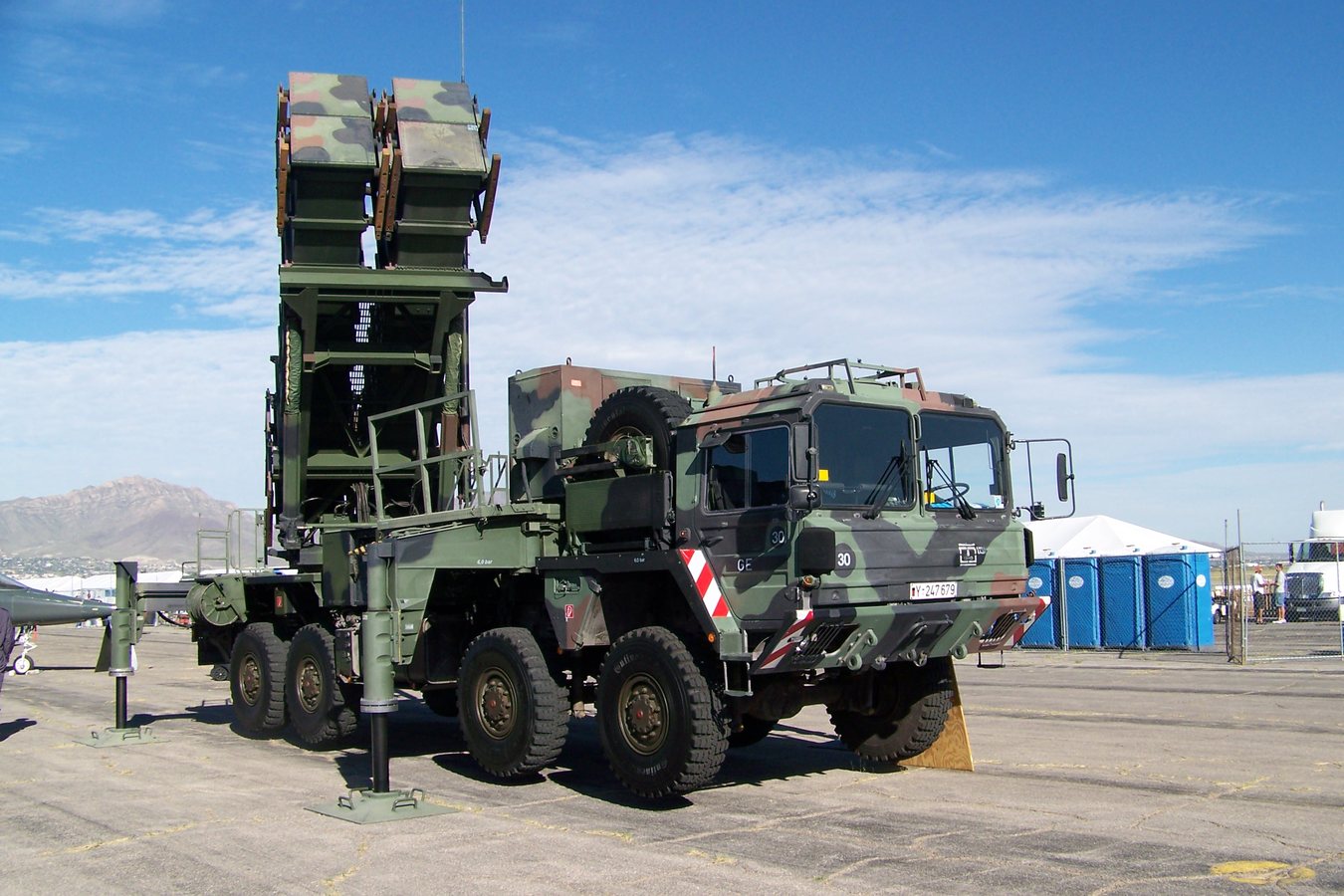
Europe’s next argument over military support for Ukraine is likely to be about inventory rather than money. Governments have approved new defense budgets, industry has received long-term orders and Germany is financing hundreds of Patriot interceptors for Kyiv. Yet the decisive supply for the coming winter is still the stock already held by national armed forces.
A report attributed to Politico says Germany, Poland, Spain and Greece are hesitant to deplete their Patriot inventories because the United States cannot quickly replace everything that is transferred. The hesitation exposes a structural feature of European defense: many countries bought advanced systems in small peacetime quantities, assuming that sustained high-intensity missile warfare would not require repeated, rapid replenishment.
Ukraine has broken that assumption. European defense commissioner Andrius Kubilius estimated a requirement of roughly 700 PAC-2 and PAC-3 interceptors for a four-month winter period. Lockheed Martin delivered 620 PAC-3 MSE missiles in 2025. The company is now working under a seven-year agreement to increase annual capacity to about 2,000, a dramatic industrial expansion that still leaves a near-term gap between demand and delivery.
Germany is attempting to bridge both sides of the problem. It is funding a roughly €3.2 billion contract for several hundred Patriot missiles for Ukraine, while RTX says its new GEM-T production base in Schrobenhausen will support future supply. Berlin has also worked with Kyiv on mechanisms to accelerate PAC-3 availability. In policy terms, Germany is combining stock transfers, procurement and industrial strategy rather than treating them as separate files.
The harder question is whether other Patriot operators will accept the same temporary exposure. Ukraine appealed to nearly 40 partner countries in July to provide missiles from existing stockpiles and be replenished later from contracted deliveries. That offer converts a future production promise into a present security decision. Countries that say yes trade some national inventory today for a stronger Ukrainian air-defense line; countries that say no preserve their reserve while Ukraine bears more of the immediate ballistic risk.
This would be a manageable debate if the threat were static. It is not. A major Russian strike on Kyiv in early August saw Ukraine fail to intercept ballistic missiles, amid reporting that Patriot stocks were critically low. The Financial Times said on August 11 that Russia is producing roughly 70 ballistic missiles a month and fired 198 in the previous month. The mismatch creates a recurring pressure cycle: every Russian salvo forces Europe to revisit how much readiness can be moved from warehouses to Ukraine.
The institutional challenge is to stop treating stock transfer and industrial replenishment as separate decisions. A government will be more willing to release inventory if the replacement contract, funding and delivery sequence are already locked in. That is why German financing and new production capacity matter before the first missile rolls off a new line: they can make today’s transfer politically and militarily easier to accept.
The business and policy implications converge. Europe needs larger standing inventories, more suppliers and production rates designed for sustained conflict rather than occasional replenishment. Those changes are now under way, but they are capital-intensive and slow. Until they mature, European solidarity will be measured in a very old-fashioned unit: how many missiles governments are willing to take off their own shelves before the replacement truck arrives.
57