Politics 4 min read By Arthur Ellington
Warren returns to Senate Banking chair as crypto industry braces for scrutiny
Elizabeth Warren is expected to chair the Senate Banking Committee in January, raising questions for a crypto industry that spent heavily to defeat her allies in the midterm elections.
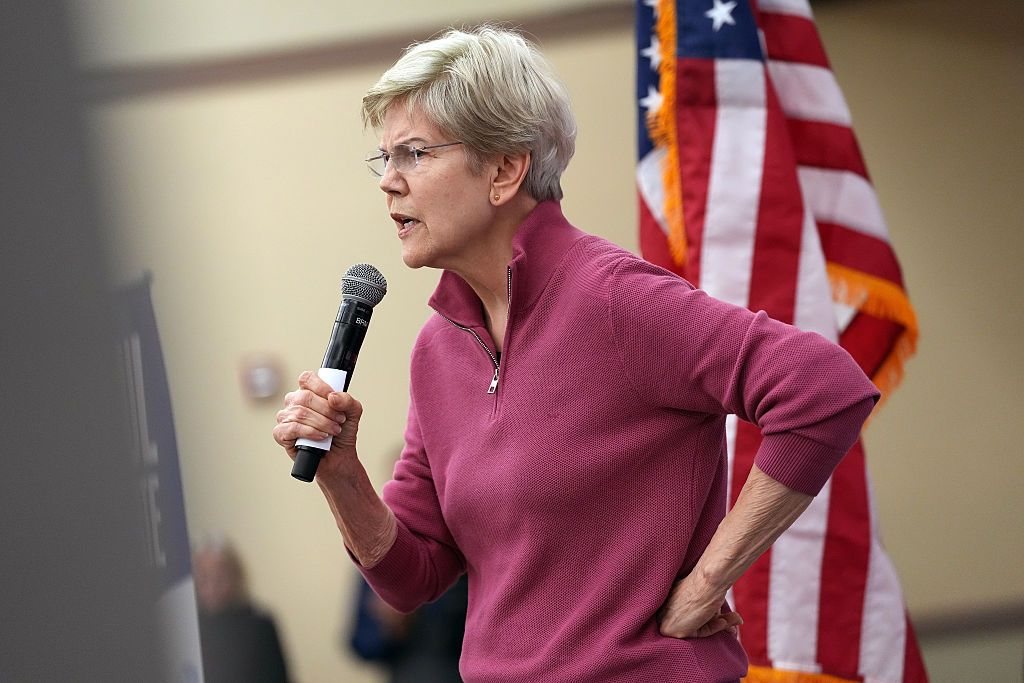
Sen. Elizabeth Warren, the Massachusetts Democrat long considered one of the crypto industry's sharpest critics, is expected to take over as chair of the Senate Banking Committee in January. The post carries a central role in shaping major financial legislation and wields subpoena power, which has prompted the digital asset sector to reassess its political strategy after a costly electoral season.
Warren's return to a position of influence comes after several years in which her hostility to the sector was largely sidelined. During the Biden administration, the Securities and Exchange Commission under Gary Gensler pursued a series of lawsuits against crypto companies, and Warren was a leading voice backing that approach. The industry responded in 2024 with a large-scale political campaign that backed Donald Trump and helped push out several of its critics. Under the Trump administration, the regulatory climate became markedly more hands-off, and Warren's influence over crypto policy diminished accordingly.
The midterm elections of 2026 gave the industry a costly and, by some accounts, unsuccessful test. Crypto interests spent roughly $170 million on advertising supporting Republican candidates. Democrats nonetheless won a broad victory, a result a lobbyist quoted in the reporting described as poor strategy for the sector. A separate effort of more than $63 million was directed against Sherrod Brown, the Ohio Democrat, who won comfortably. Brown is likely to chair the Senate Agriculture Committee, which oversees commodities regulation, though the committee assignments had not been formally confirmed at the time of reporting.
Industry observers are divided on how far Warren will push the issue. Her recent essay in Time focused on chief executives and alleged corruption connected to the Trump family, rather than on cryptocurrencies. Ron Hammond, an analyst at Wintermute, read that emphasis as a sign that crypto is not an immediate target. Firms seeking or already holding bank charters, however, are likely to be the most exposed to Warren's influence, given her long record of scrutiny of the banking sector.
Warren could also find common cause with traditional banks, which were among the forces that helped stall the Clarity Act, the crypto market-structure legislation. Such an alignment would give her a route to shape the debate without a sweeping new agenda. Structural constraints also limit the scope for dramatic change: the heads of the SEC, the Commodity Futures Trading Commission and the Office of the Comptroller of the Currency, all Trump appointees, are expected to remain in post for the duration of the current term.
Against that backdrop, analysts expect Warren to focus on symbolic actions over the next one to two years, with an eye toward the 2028 election cycle. There is also room for a degree of softening. Warren could acknowledge the potential benefits of stablecoins and the growing popularity of digital assets among younger voters, though no such shift has been signalled. For the industry, the episode offers a lesson that spending against critics may prove less effective than sustained engagement over the long term. The reporting also points to voter fatigue with partisan extremes, which may favour moderation in the years ahead.
Source: fortune.com
4