Politics 6 min read By Arthur Ellington
Iran is turning Hormuz into leverage over the whole US pressure system
Washington wanted a narrower bargain around freedom of navigation. Tehran’s new terms link the strait to sanctions, the blockade, military deployment and war compensation, widening the institutional stakes.
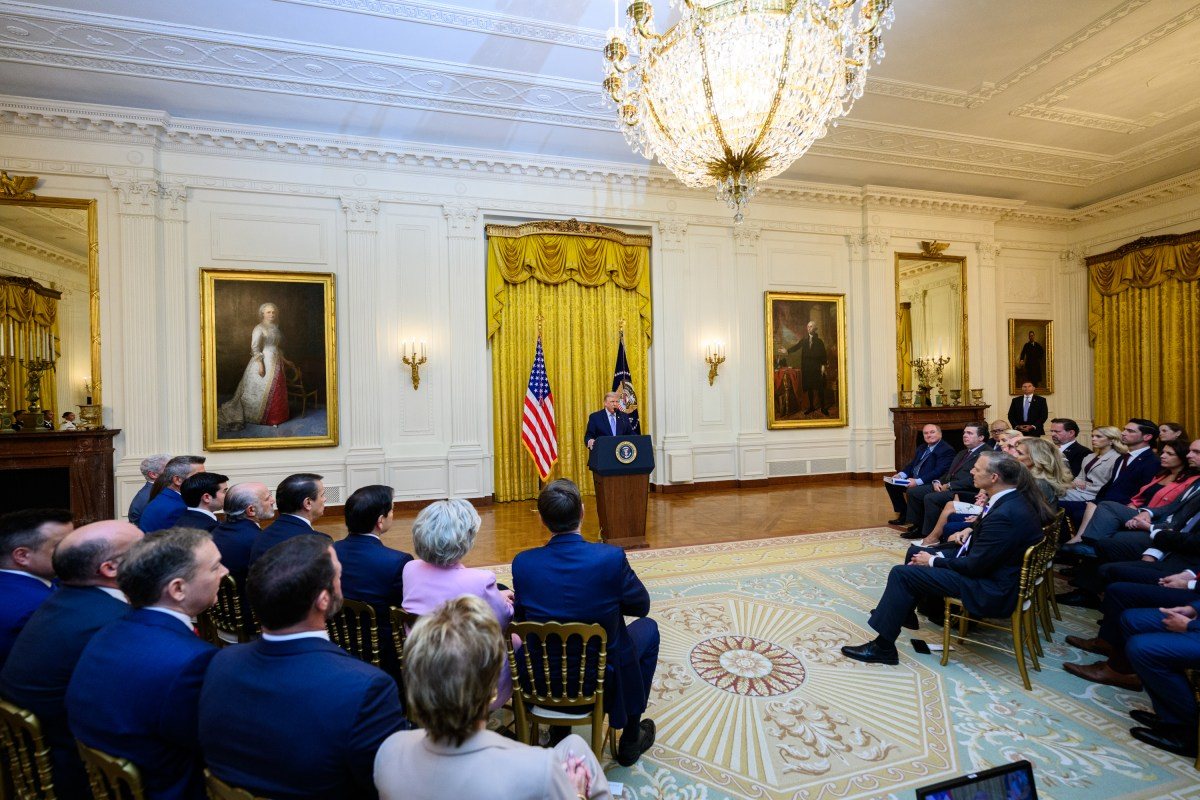
The latest Hormuz negotiations are best understood as a contest over issue linkage. Washington had been trying to narrow the war’s end-state. Tehran is now widening it again. The Wall Street Journal reports that President Donald Trump had been willing to consider ending the conflict without a nuclear agreement if Iran fully reopened the Strait of Hormuz.
For the White House, that would have created a manageable political and economic settlement. The nuclear file could remain unresolved while commercial traffic resumed, energy risk fell and the administration claimed a concrete result. In institutional terms, it separated freedom of navigation from the most difficult strategic question in the U.S.-Iran relationship.
Iran’s Supreme National Security Council rejected that separation on Saturday. It said a full reopening would require the United States to stop threatening Iran, permanently end the war against Iran and its allies, lift the naval blockade and withdraw forces from around the country. Tehran also demanded full compensation for war damage, sanctions relief and the release of frozen assets.
Those conditions link Hormuz to nearly every major U.S. pressure instrument. Sanctions restrict finance and trade. The blockade constrains maritime commerce. Military deployment underpins coercive power. Frozen assets provide financial leverage. By tying all of them to the strait, Iran is trying to exchange one strategic advantage — geography — for relief across multiple American tools.
Washington has a strong incentive to resist. The United States reinstated the naval blockade in mid-July, and Trump later said it remained in force. Giving it up simply to secure passage would reduce the administration’s ability to impose costs if nuclear or regional disputes continue.
Tehran, however, has reason to believe the strait is unusually valuable to Trump. The Journal says the White House has increasingly focused on reopening Hormuz as a possible victory condition as the nuclear track stalled. Gregory Brew of Eurasia Group told the paper that Iranian officials believe Trump wants out and is concentrated on the strait, helping explain their hard line.
This bargaining dynamic is reinforced by energy markets. EIA data show 14.6 million barrels per day of crude oil and petroleum liquids moved through Hormuz in the first quarter of 2026, compared with 20.7 million in the fourth quarter of 2025. Earlier disruptions contributed to high and volatile oil prices. The strait therefore transmits military risk into market risk almost immediately.
The important nuance is that traffic can recover before the political dispute is solved. Axios reports that a U.S. official estimates around 8 million barrels of oil are already leaving the Gulf daily through the southern lane with U.S. military coordination. The Associated Press reports that Iran and Oman are close to a plan for new maritime routes.
Iran nevertheless insists that these practical arrangements are not the same as a full reopening. That creates a layered system: some traffic flows under exceptional security arrangements while political control and conditions remain disputed. For companies, the distinction determines whether improved traffic is a temporary operational fact or a durable basis for investment and contracting.
Trump’s Sunday comments to Axios suggest Washington is trying to turn time into leverage. He said the United States was “low-keying it” and only “semi-negotiating,” while emphasizing Iran’s inflation and financial weakness. The administration’s implicit argument is that Tehran’s economy will deteriorate faster than U.S. political patience.
Iran’s counterargument is that global energy and domestic American political costs give Washington its own deadline. The Journal notes that a reopened strait would help Trump frame the war as a success. If Tehran believes that result becomes more valuable as U.S. elections approach, it has an incentive to delay or demand more.
For Britain and Europe, the consequence is primarily systemic. Even when individual economies source crude elsewhere, global prices, shipping rates and insurance respond to risk in the Gulf. A prolonged exceptional regime through Hormuz keeps uncertainty embedded in costs and makes another disruption easier to transmit into inflation.
A narrow route agreement would therefore be economically useful, but it would not resolve the strategic bargain. Washington would still have sanctions and blockade questions. Iran would still have frozen assets and compensation claims. Both sides would still disagree over regional allies and the nuclear programme.
The central institutional question is whether the parties can compartmentalise. Complex rivalries are often manageable when states can make limited agreements in one domain without treating them as surrender in every other. Iran’s new conditions move in the opposite direction, making maritime access contingent on a much broader political settlement.
That is why Trump’s off-ramp has narrowed. The administration had identified one measurable outcome and hoped to detach it from the rest of the war. Tehran has recognised the value of that outcome and attached a higher price to it. The next phase will show whether economic pressure can break that linkage or whether Hormuz becomes the negotiating table for the entire conflict.
54