Politics 3 min read By Callum Montgomery
Holborn and St Pancras by-election set for October 2026 as campaign topics take shape
Voters in the London constituency of Holborn and St Pancras are expected to go to the polls on 8 October 2026, with the campaign set to focus on local and national issues.
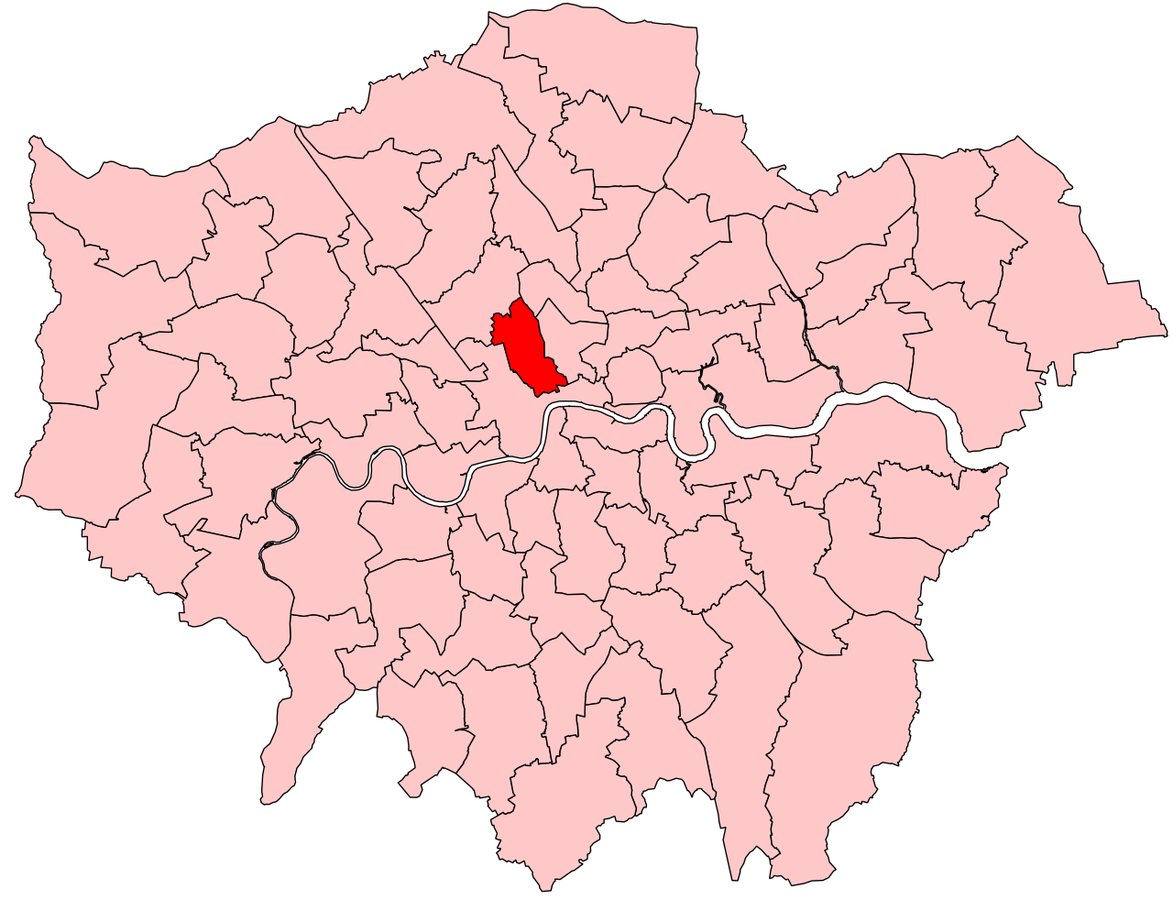
Voters in the London constituency of Holborn and St Pancras are expected to go to the polls on 8 October 2026, in a by-election that will test the political mood in the capital. The contest is expected to take place, with a high degree of certainty attached to the date, though the formal timetable has yet to be confirmed.
The by-election will be fought on a range of campaign topics that reflect both local concerns and the wider national political debate. Holborn and St Pancras is a diverse constituency covering parts of central London, including Bloomsbury, King's Cross and Camden, and its electorate spans a mix of affluent professionals, students, long-standing residents and a significant private-rented sector.
Housing and the cost of living are likely to feature prominently. Rents in the private sector have risen sharply across London in recent years, and the constituency contains a large number of tenants who are sensitive to changes in housing policy, planning rules and support for renters. Local transport, air quality and the provision of public services — including health and education — are also expected to be central to the debate.
The by-election will be watched closely as an indicator of broader political trends. By-elections in London constituencies often attract national attention because they can reveal shifts in support between parties and highlight the issues that resonate with urban voters. Turnout, the performance of smaller parties and the tone of the campaign are all likely to be scrutinised.
Campaigning in Holborn and St Pancras is expected to involve a mix of doorstep activity, local hustings and digital outreach. Candidates will need to address the concerns of a constituency that includes both some of the most affluent areas in London and pockets of significant deprivation, making it a complex political battleground.
The date of 8 October 2026 places the contest in the autumn political calendar, a period when attention typically returns to domestic policy after the summer recess. The outcome could have implications for the national parties as they prepare for the next general election, and it will be seen as a test of their ability to mobilise voters in the capital.
While the by-election is still some way off, the campaign topics are already beginning to take shape. Housing, the cost of living, public services and local infrastructure are set to dominate, alongside the broader question of which party can best represent a constituency that is both central and diverse. The result will provide an early indication of the political landscape ahead of the next national vote.
8