Politics 4 min read By Callum Montgomery
Hegseth orders Pentagon to test older male troops for low testosterone
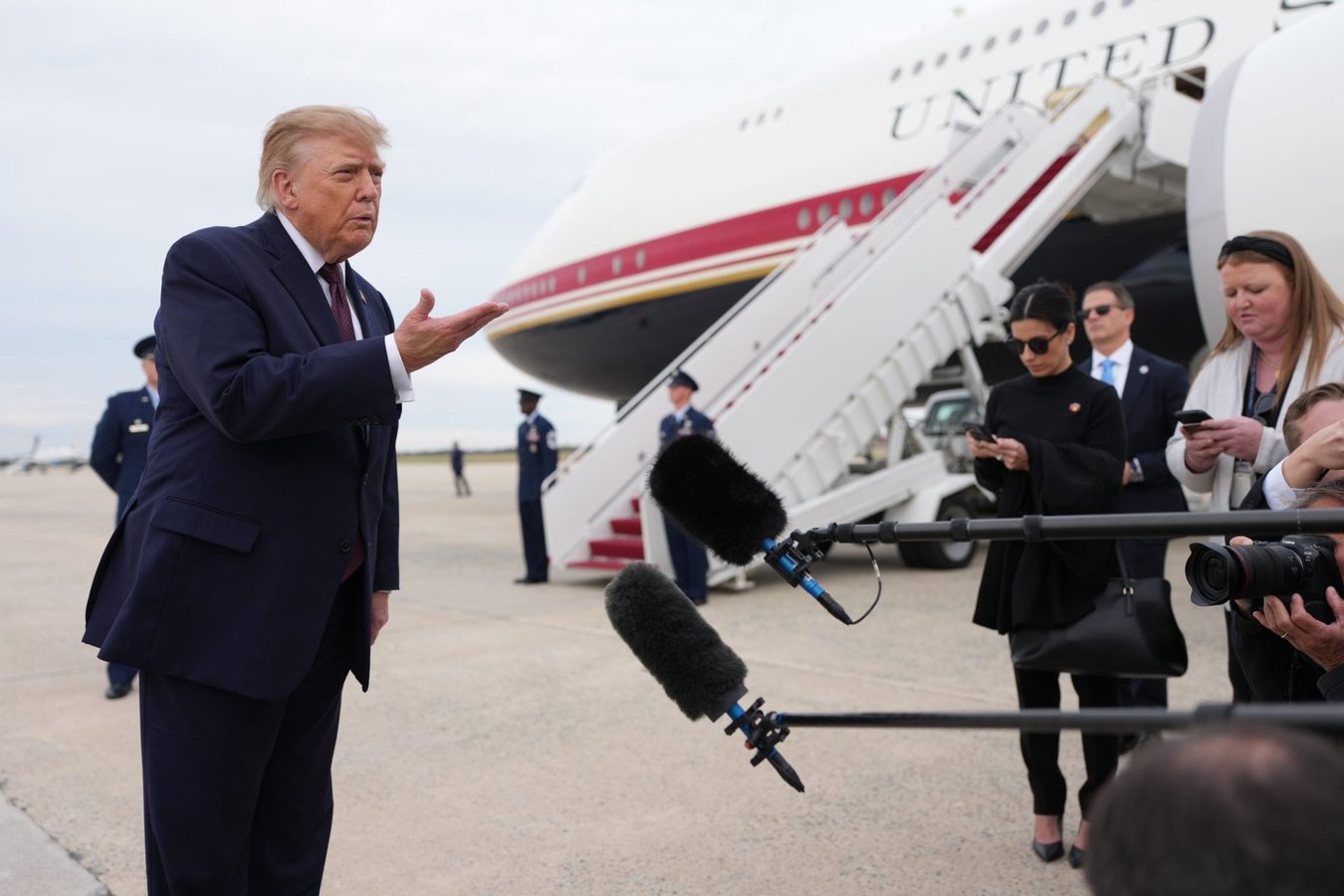
Defence Secretary Pete Hegseth has announced that the Pentagon will screen male service members aged 30 and over for symptoms of low testosterone, a move a commentator has labelled «cringe fascism».

Defence Secretary Pete Hegseth has announced that the Pentagon will begin testing male service members aged 30 and older for low testosterone, a policy that has drawn sharp criticism at a time when the United States is engaged in an unpopular war in Iran. The announcement, made on 15 July 2026, has prompted commentators to question how such screening relates to military readiness.
The department later said the assessment would cover symptoms associated with low testosterone, including «reduced libido, loss of spontaneous morning erections, erectile dysfunction, diminished energy and physical performance, impaired concentration, reduced muscle mass, and depressed mood». The inclusion of such personal physical indicators in a military health programme has been the focus of much of the public debate that followed.
Writing in the opinion pages of Fortune, a scholar of conspiracy theories argued that the policy is emblematic of what they call «cringe fascism», a pattern in which the administration combines authoritarian ideas and symbols with messaging that critics find embarrassing. The author contends that the combination of aggressive masculinity and militarism with testing for something as personal as morning erections illustrates this tendency.
The term «cringe» is drawn from online usage, describing a kind of embarrassment felt on someone else’s behalf when they post something that appears not to recognise how awkward it is. The author argues that the perceived silliness of such material can obscure more serious policy content, and that it can energise supporters while reducing contentious policy debates to the level of online memes.
The debate over whether President Donald Trump’s administration can fairly be described as fascist has run for some time among writers, historians and public intellectuals. Some regard such claims as hyperbolic or inaccurate, while others consider the label useful and accurate. The author notes that the administration has frequently drawn on fascist imagery in its official messaging, citing slogans used by the Department of Homeland Security, the rhetoric of the press as an «enemy of the people», and a mock-up social media post showing a possible new Space Force uniform, which the post said drew inspiration from the film «Starship Troopers».
The same commentary points to other recent White House communications, including images portraying the president as a video game character and as Green Lantern, as examples of the cringe element. It also describes remarks by Trump about the body of Ohio Senator Jon Husted as incongruous with his tough-guy persona. The author argues that these comments sit uneasily alongside the defence secretary’s emphasis on hypermasculinity in the military through testosterone testing, and that the mix reflects internal contradictions in the administration’s approach.
The article places these developments against the backdrop of the approaching midterm elections and the presidential election in 2028, which the author expects to be contentious. The author also refers to concerns raised by critics about the integrity of elections, the deployment of immigration and federal law enforcement officers on American streets, and efforts to restrict press access. The Pentagon’s testosterone testing policy, the author suggests, is best understood against this broader pattern of contested government messaging.
5