Society 4 min read By Arthur Ellington
Record 22,687 school civil rights complaints land on DOJ desks
Complaints filed with the Office for Civil Rights hit a record as enforcement is shifted toward the Department of Justice, raising questions about how students' cases will be handled.
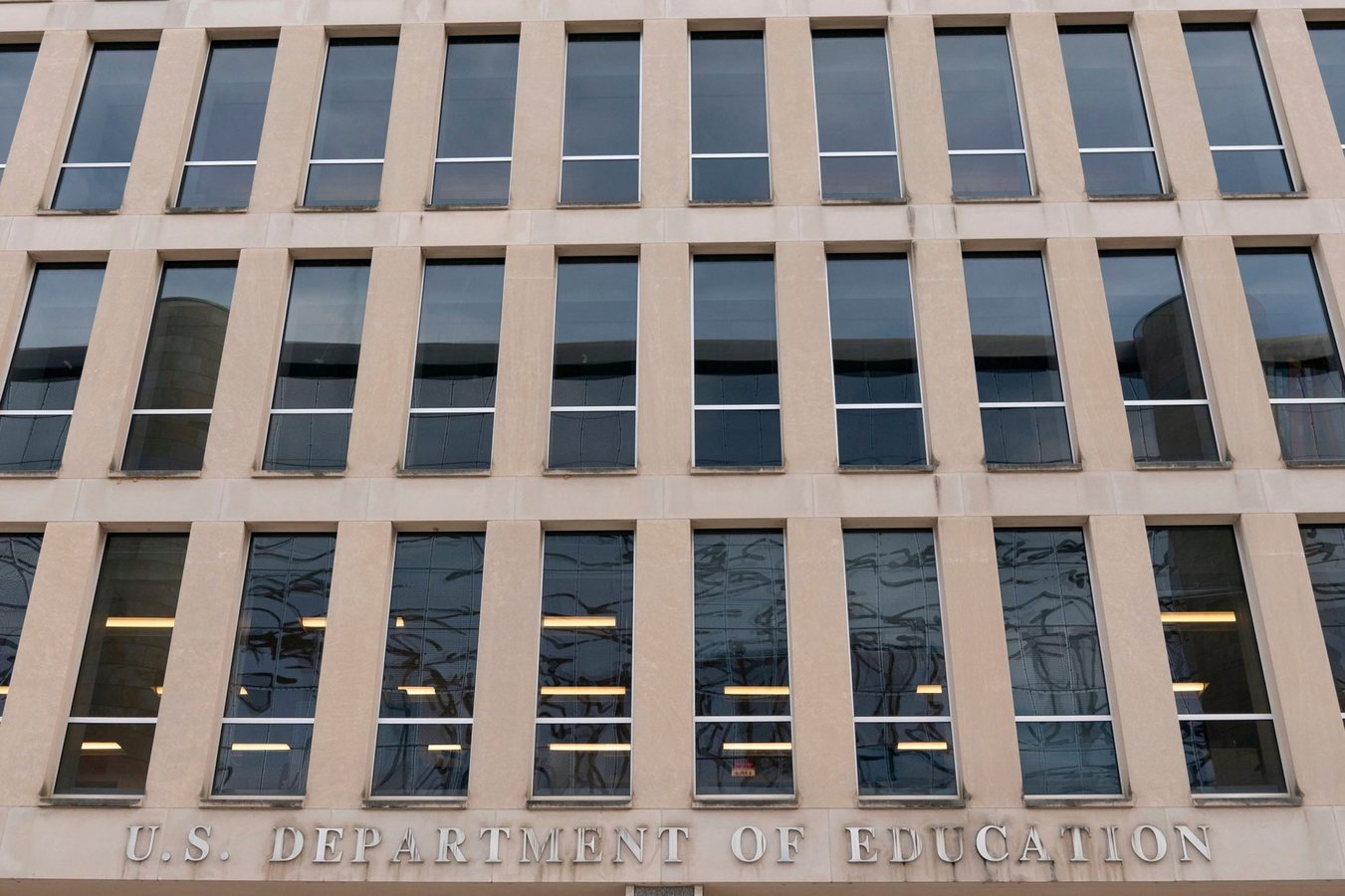
Complaints of discrimination in American schools reached a record level in the most recent full fiscal year, as federal responsibility for enforcing student civil rights laws moves from the Department of Education to the Department of Justice. The Office for Civil Rights, known as OCR, received more than 22,000 complaints in fiscal year 2024, which ran from October 2023 to September 2024, covering race, colour, national origin, sex and disability.
OCR is an office within the Department of Education that enforces statutes protecting students from discrimination. A recent case illustrates its role. In December 2022, the office found that Ottumwa Community School District, about 90 miles southeast of Des Moines, Iowa, had violated Title VI of the Civil Rights Act of 1964 by failing to address racial harassment. Title VI bars schools receiving federal funds from discriminating on the basis of race, colour or national origin. The office found that a student was subjected to a racially hostile environment, and that the school and district failed to address pervasive racial harassment of which they were aware. The harassment spanned two school years and included racial slurs. The district entered a resolution agreement with OCR, agreed to reimburse the student's family for therapy and committed to training students and staff on nondiscrimination policies.
In June 2026, the Trump administration announced an interagency agreement that provides a way to shift OCR's day-to-day civil rights enforcement responsibilities to the Department of Justice. The administration has not released details on whether that transfer has begun or what it would look like in practice. Assistant Attorney General for Civil Rights Harmeet Dhillon said the Department of Justice would handle OCR's complaints from start to finish, taking on what she described as 99 percent of that work. The step is part of the administration's 2025 promise to close the Department of Education, a move only Congress can complete.
The change matters because the two agencies work differently. OCR is legally required to consider every complaint it receives and must promptly investigate complaints showing possible violations of federal civil rights laws. It typically seeks voluntary resolution agreements and starts proceedings to terminate federal funding only when voluntary resolution is not possible, which has historically been rare. The Department of Justice's Educational Opportunities Section, by contrast, selects only a small fraction of cases, usually systemic or particularly severe discrimination, and pursues them in federal court.
Timing is another difference. OCR has traditionally aimed to resolve complaints within 180 days, though it has sometimes taken longer. Between October 2023 and September 2024, it did not resolve about 30 percent of complaints within that period. Department of Justice cases in court can take years to resolve. A January 2026 report from the Government Accountability Office found that OCR dismissed about 90 percent of complaints during part of 2025, raising questions about whether some complaints were dismissed without full review.
The reorganisation may therefore mean that most complaints filed with OCR are never investigated and that those that are could take years to resolve. Families who file complaints often do so to avoid the expense of a federal lawsuit or to secure relief for a student faster than a court can provide it. Shifting enforcement to the Department of Justice would remove the guarantee that a federal agency reviews and evaluates each allegation that a school district violated a student's civil rights.
2