Politics 4 min read By Arthur Ellington
Trump's border success leaves Democrats with immigration off the midterm agenda
Falling border crossings have pushed immigration down voters' priorities, and polling suggests the shift is giving Democrats an opening ahead of the midterms, while Republicans lose a once-reliable issue.
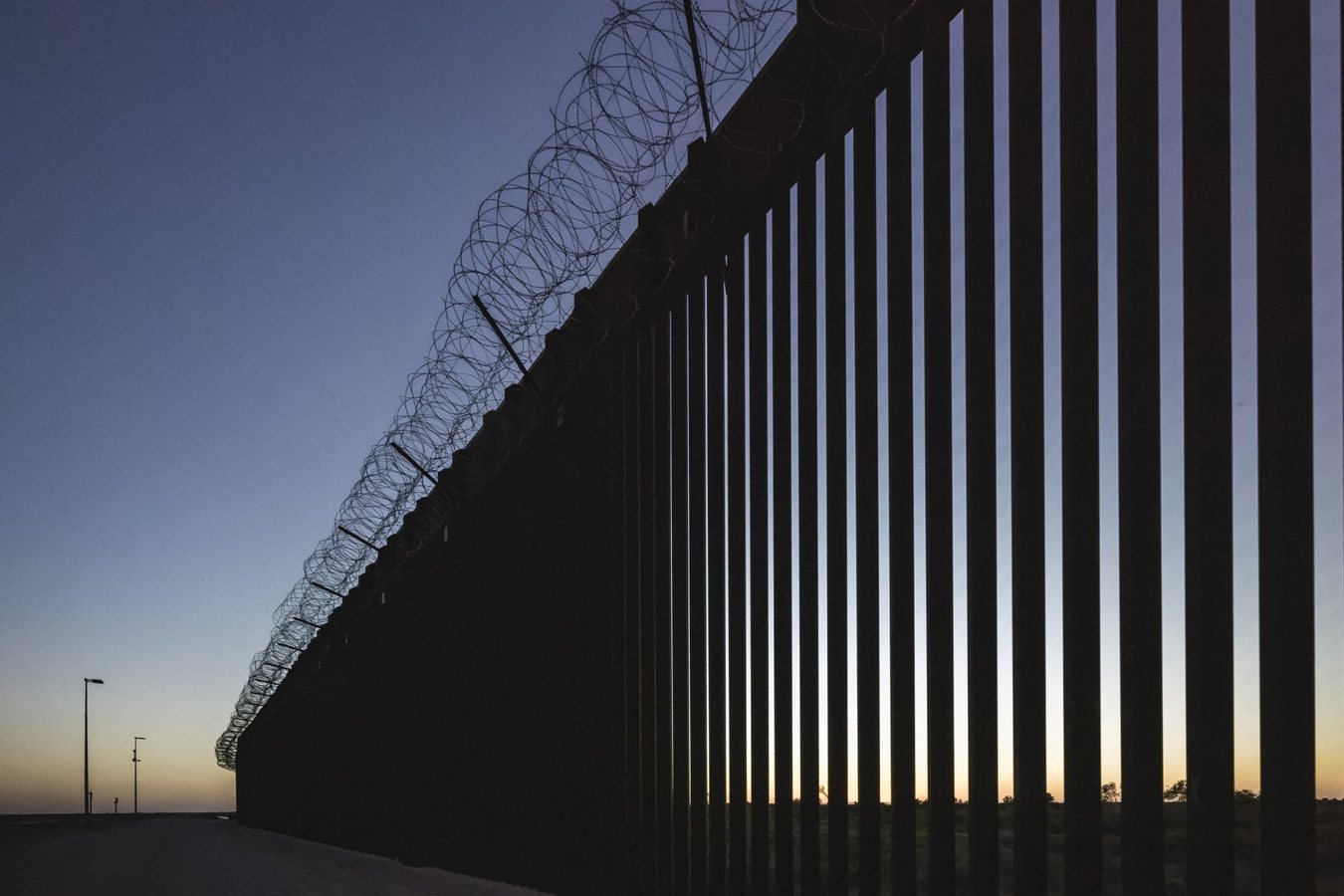
Border security, once the issue that carried Donald Trump to the 2024 election, has receded from voters' minds, and that shift is now working in Democrats' favour ahead of the midterms. Declining border crossings have left immigration far less urgent for the electorate, removing a political advantage that Republicans had long enjoyed on the issue.
The turn is striking given the recent history. In a February 2024 poll, 28 per cent of US respondents told Gallup that immigration was the country's most important problem, matching the highest share since tracking began in 1981. By May 2026 that figure had fallen to 8 per cent. A separate Economist/YouGov survey found the share of registered voters naming immigration as the most important issue dropped from 14 per cent in October 2024 to 5 per cent in September 2026.
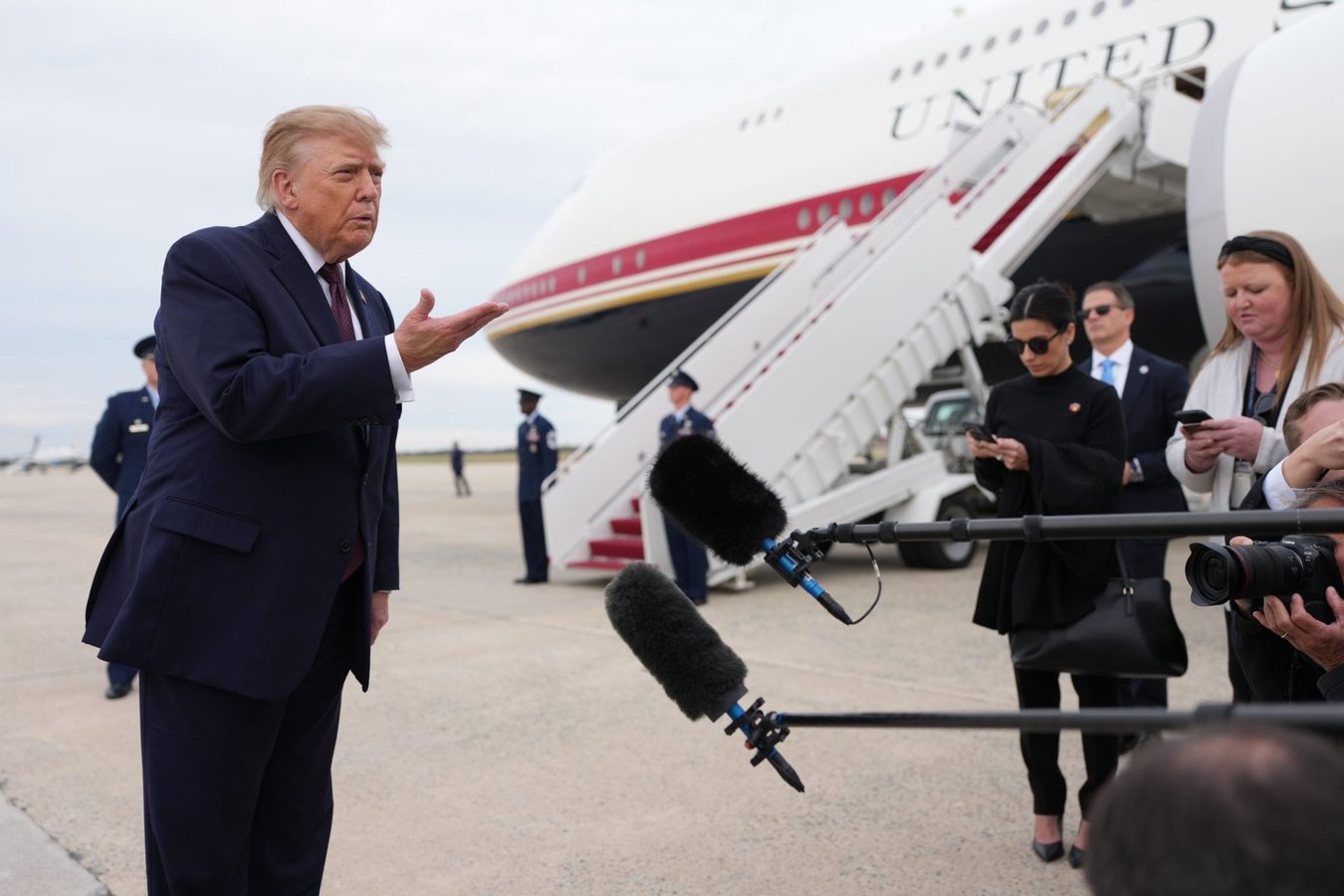
Erik Iverson, a Republican Senate campaign pollster, told Axios that the decline in border crossings had reduced the urgency of the issue, depriving Republicans of a subject that had energised voters and given conservatives an edge. « You become a victim of your own success », he said. The political gain for the White House, however, has proved limited. Trump's net approval on immigration stood at negative 10.8 per cent in the RealClear Polling average for September and October 2026, and a recent Fox News poll found most Americans believe the administration has gone too far in enforcing immigration laws, including 60 per cent of independents.
That border success has not translated into broader approval. Trump's net approval is considerably weaker on other matters, at negative 42.8 per cent on inflation, negative 31.7 per cent on the economy and negative 27.8 per cent on foreign policy, according to the same polling. Americans are contending with high inflation, slow gross domestic product growth and weak consumer sentiment, even though Republicans have argued that mass removals of undocumented immigrants and a halt to new arrivals would raise wages and make housing more affordable.
For Democrats, the change is a considerable relief. The party and its candidates have spent around three decades struggling to develop and pass new immigration policy and to communicate it effectively. Bipartisan attempts at comprehensive reform failed in Congress in 2006, 2007 and 2013, and a majority of Americans has for years trusted Republicans more to handle the issue. A September 2026 Marist survey found independents now express more trust in Democrats than Republicans on immigration, 41 per cent to 27 per cent, even though Democrats have not endorsed any new immigration policy idea in that period.
The Democratic position reflects a decade of shifting arguments. Around Trump's 2016 victory, party leaders stressed that immigrants start more businesses, file more patents and commit fewer crimes than native-born citizens on average, and emphasised their willingness to fill low-skilled and high-skilled labour shortages. That framing, however, was seen by some voters as condescending and fuelled resentment. Later, toward the end of Trump's first term, Democrats began highlighting the macroeconomic and fiscal benefits of immigrants' long-term settlement, including the bulk of US population growth between 1990 and 2015 and the support immigration provides to inflation control and the solvency of Social Security and Medicare funds.
Those benefits, however, are diffuse and tend to be realised over the medium to long term, which makes them difficult for ordinary voters to recognise. The border's relative quiet has therefore given Democrats a rare chance to campaign on other issues, while the political terrain on immigration remains uncertain as the midterms approach.
8