Politics 4 min read By Bethany Hadley
Democrats at a Brooklyn event agree a blue wave is coming but split over AI and data centres
At a phone-free Newsreel panel in Greenpoint five days before the US midterms, Democrats expressed confidence in a strong showing but disagreed on the party's identity, socialism, and how to handle the AI buildout and data centres.
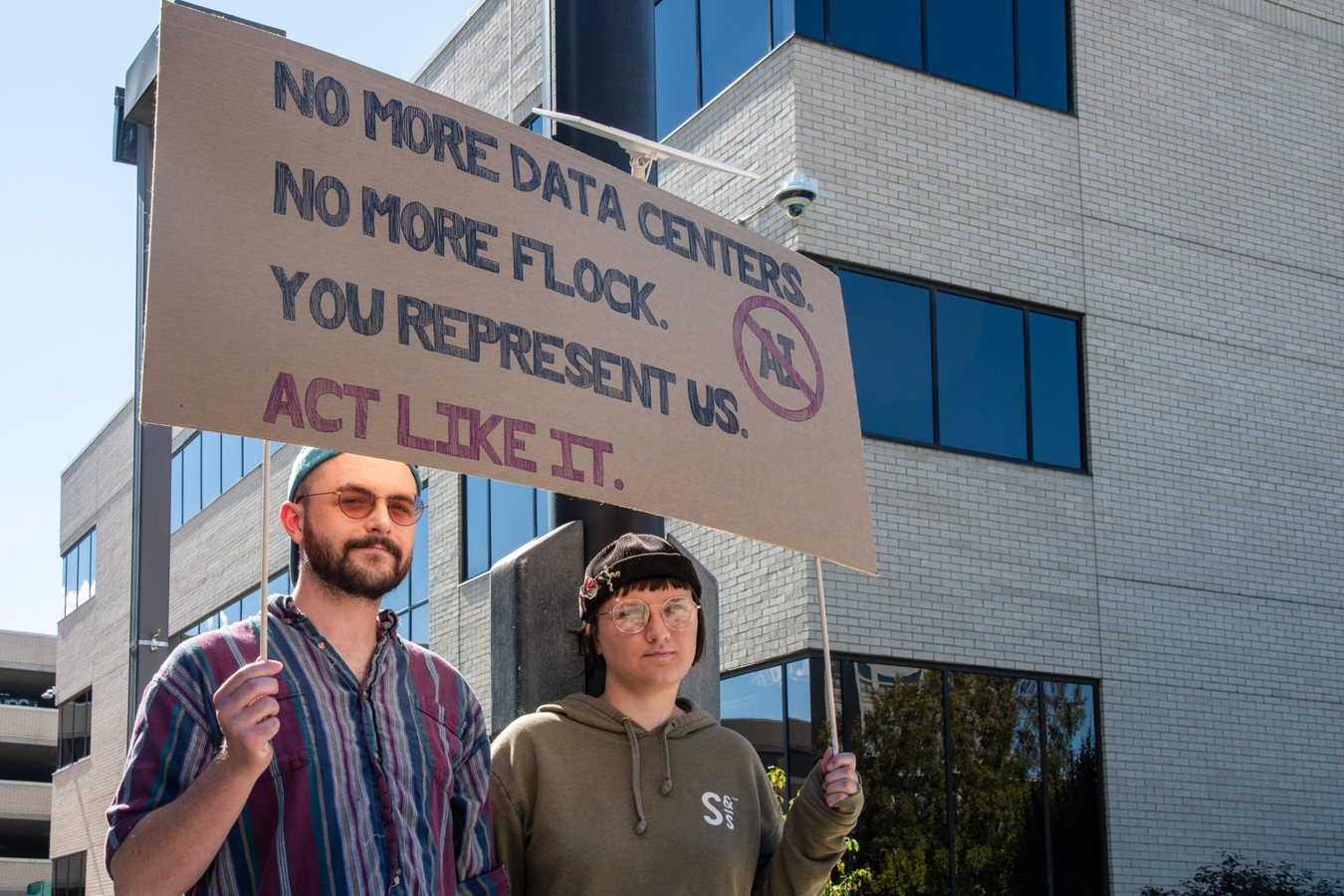
Democrats gathered at a phone-free event in Greenpoint, Brooklyn, five days before the US midterms expressed confidence that they will win big, yet they struggled to agree on who the party is or how it should respond to the artificial intelligence boom. The evening, a Newsreel panel titled "Midterm Mania", drew about 300 people, including campaign staff, consultants, organisers, founders and journalists, all of whom had surrendered their phones at the door of the venue at 100 Sutton Street.
The event was held in the area often described as the "commie corridor", which runs from north-west Queens through northern Brooklyn. Chi Ossé, the youngest member of the New York City Council and a democratic socialist, drew the first strong reaction when he took the stage. When he called on Democrats to oppose the war in Iran and part of the room did not applaud, he responded that everyone not clapping was supportive of war. Newsreel founder and chief executive Jack Brewster had asked those who registered to submit the one election question they most wanted answered, and more than 150 people did so, with their notes covering the walls.
Brewster framed the final panel around a tension in the party. "Democrats are on track to win big according to polls, but they still cannot agree on who they are," he said. Over the following 90 minutes, speakers did not agree on whether the party is socialist, nor on whether data centres represent a jobs programme or a threat. They also disagreed on what to do about artificial intelligence beyond taxing it. What they shared was a determination to win on Tuesday, and the polling backs their optimism. The New York Times/Siena poll released on 21 October put Democrats 10 points ahead on the congressional ballot and gave Donald Trump an approval rating of 36 per cent.
That lead comes at a time when the AI buildout is absorbing large amounts of corporate capital spending. According to the POLITICO Poll, conducted by PF Global, half of Americans oppose a data centre within three miles of their home. The data-centre panel was where the room was most unified, and where the party's own record appeared most fragile. Hilary Flint, who organises against data centres in Pennsylvania for the Center for Oil and Gas Organizing, said opposition cut across political lines in a way she had rarely seen on an environmental issue. The Pennsylvania Data Center Resistance group on Facebook has more than 44,000 members from across the political spectrum, she said.
Ossé, who represents Bed-Stuy and Crown Heights, said his priority was returning the country from the right, and that he supported whatever approach achieved that goal, including the approach of Abdul El-Sayed, the Michigan Democrat who won his Senate primary with the backing of Bernie Sanders and Alexandria Ocasio-Cortez and has since said he is not a socialist. Ossé also said he believed the party would move towards democratic socialism. On AI, he said he did not "really understand it that much" and rarely used it himself, but proposed calling big technology and AI chief executives to testify before Congress and supported Sanders' proposed one-time 50 per cent stock tax on the largest AI companies.
6