
Politics 4 min read By Arthur Ellington
EU conditionality is turning Serbia’s Russia visa waiver into a policy test
Belgrade still grants Russians 30 visa-free days, but the exemption sits inside a larger mismatch with the EU acquis. Montenegro’s July decision shows how accession benchmarks can convert that mismatch into law.
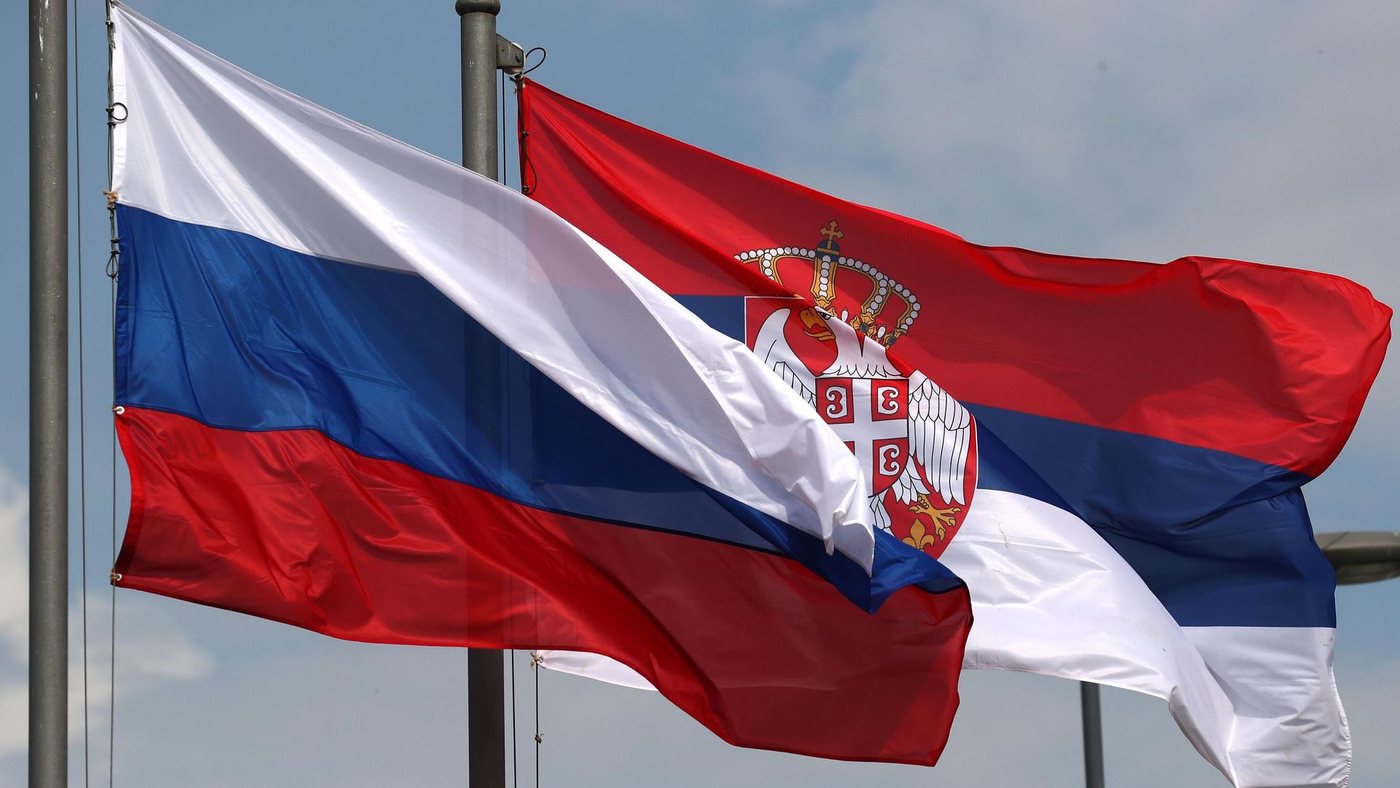
Serbia’s visa-free regime for Russian citizens remains in force, but it is increasingly difficult to treat it as a standalone bilateral preference. The rule now sits at the intersection of EU accession conditionality, border governance and Belgrade’s political relationship with Moscow. Serbia’s Foreign Ministry continues to allow holders of ordinary Russian passports to stay for up to 30 days without a visa, and no formal Serbian measure has set a date for ending that access.
The institutional pressure comes from alignment with the EU acquis. A European Commission report on the visa suspension mechanism identified Russia among 16 states whose citizens enjoyed visa-free access to Serbia even though the EU required visas. Serbia adopted a harmonisation plan in November 2023, specifying that countries on the EU’s visa-required list would be brought into line one year or six months before Serbian accession. The Commission’s preference was for a faster timetable.
That framework matters because it transforms visa policy from a travel-sector question into a measure of accession credibility. A candidate can preserve national exceptions for a time, but the value of those exceptions falls as negotiating benchmarks become more specific. In practice, Brussels is interested in the consistency of external-border rules and in reducing gaps that can affect migration management across the wider European system.
Montenegro has demonstrated how quickly the trade-off can crystallise. On 23 July, its government adopted a decree requiring visas from citizens of Russia, Belarus, China, Saudi Arabia and Türkiye from 1 November 2026. Podgorica explicitly said the measure completed alignment with EU visa policy, met a closing benchmark under Chapter 24 and fulfilled a Reform Agenda commitment. It also linked the step to conditions for a roughly €4 million disbursement under the EU Growth Plan for the Western Balkans.
Serbia’s negotiating position is different, so there is no automatic read-across from Montenegro’s date. Yet the direction of travel is visible in Serbia’s own diplomacy. In April, Interior Minister Ivica Dačić and EU Commissioner Magnus Brunner discussed border management and visa-policy harmonisation. Belgrade reiterated that it intends to continue aligning home-affairs rules with EU standards.
The often-cited year 2027 is better understood as a reform target than a border-policy deadline. Serbian officials have said they want to complete the major reforms necessary for EU membership by then. They have not established 2027 as a fixed date for joining Schengen. That distinction is material: a visa-policy adjustment can occur before accession, but it is triggered by legal alignment and political sequencing, not by an automatic Schengen countdown.
For business and travel, the current exemption still has value. It keeps Serbia comparatively accessible to Russian visitors, entrepreneurs and residents moving through the region. Ending it would add transaction costs and administrative friction. For the Serbian government, however, keeping it also carries an increasingly visible integration cost because Russia is a named example of divergence from EU policy.
The key decision is therefore not whether Serbia has “announced visas” — it has not — but when Belgrade decides the benefits of a national exception are outweighed by the benefits of advancing EU alignment. Montenegro has already answered that question. Serbia’s answer will be a useful indicator of how much political capital it is prepared to spend on the European path.
58