Economy 4 min read By Arthur Ellington
US Inflation Set to Rise as Petrol Prices Bite
Higher pump prices are expected to push US consumer inflation higher in September, adding pressure on household budgets already stretched by years of rising costs.
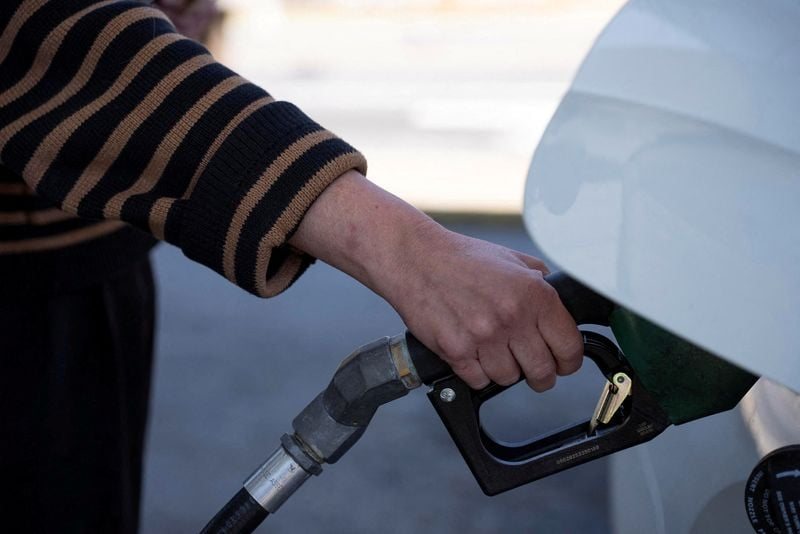
US consumer inflation is expected to accelerate in September, driven by a sharp rise in petrol prices that is feeding directly into the cost of everyday living. The projected pickup underscores how volatile energy costs can quickly undo progress on price stability and squeeze households that have already absorbed years of cumulative increases.
Petrol has been a significant contributor to headline inflation in recent months. According to the US Bureau of Labor Statistics, gasoline prices were up 27.4 per cent year on year in August, a pace that far outstrips the overall rise in consumer prices. Over the past five years, the consumer price index has climbed roughly 22 per cent, with fuel adding an outsized share of that burden.
The September reading matters because it shapes expectations for monetary policy, wage negotiations and consumer confidence. A higher headline figure would reinforce the view that inflation remains sticky, even as the labour market shows resilience. Unemployment stood at 4.2 per cent in September, and consumer spending rose by $190.8bn in August, according to the Bureau of Economic Analysis, suggesting households are still spending despite the pressure.
Yet the strain is unevenly felt. A survey by Goldman Sachs Asset Management found that more than a third of Americans earning over $500,000 a year say they are living paycheck to paycheck, a higher share than any other income group except those earning under $50,000. The finding challenges the assumption that higher income automatically delivers financial security.
The report, based on responses from 5,106 people aged 45 to 75, identified a U-shaped pattern in financial distress. The share of households living paycheck to paycheck falls from 60.8 per cent among those earning under $50,000 to 22.2 per cent for those on $100,000 to $200,000, then climbs again to 34.2 per cent for the $300,000 to $500,000 band and 36.6 per cent for those above $500,000.
Credit card behaviour follows a similar curve. Some 46 per cent of households earning more than $500,000 typically pay only the minimum on their balances each month, or less, nearly matching the 47 per cent of those earning under $50,000. Among top earners, 80 per cent say they have delayed a major financial goal despite being employed, and 45 per cent have specifically postponed retirement savings.
Goldman attributes the strain at the top to more complex financial lives, larger fixed commitments and lifestyle expectations that absorb rising incomes. Higher earners may also act as financial anchors for extended family. For lower-income households, the struggle is more immediate: covering essentials as prices outpace wage growth.
The broader retirement picture is also weakening. The share of working respondents who increased their retirement savings fell from 55 per cent in 2025 to 39 per cent this year, the largest single-year decline since 2020. Median household income reached a record $87,460 in 2025, according to the Census Bureau, but many families say rising costs are squeezing both monthly budgets and long-term savings.
For policymakers, the September inflation data will be read alongside these household pressures. A petrol-driven increase may prove temporary, but its effect on expectations can linger. With spending still resilient and unemployment low, the challenge is not participation in the economy but competing needs, as Goldman put it, a dynamic that leaves less room to save even as headline growth looks solid.
8