Business 5 min read By Alice Ashford
Albertsons pulls forecasts as Meg Whitman signals deeper overhaul
Albertsons has withdrawn its financial guidance mid-turnaround as new executive chairman Meg Whitman warns that dramatic improvement is needed at the struggling US grocery chain.
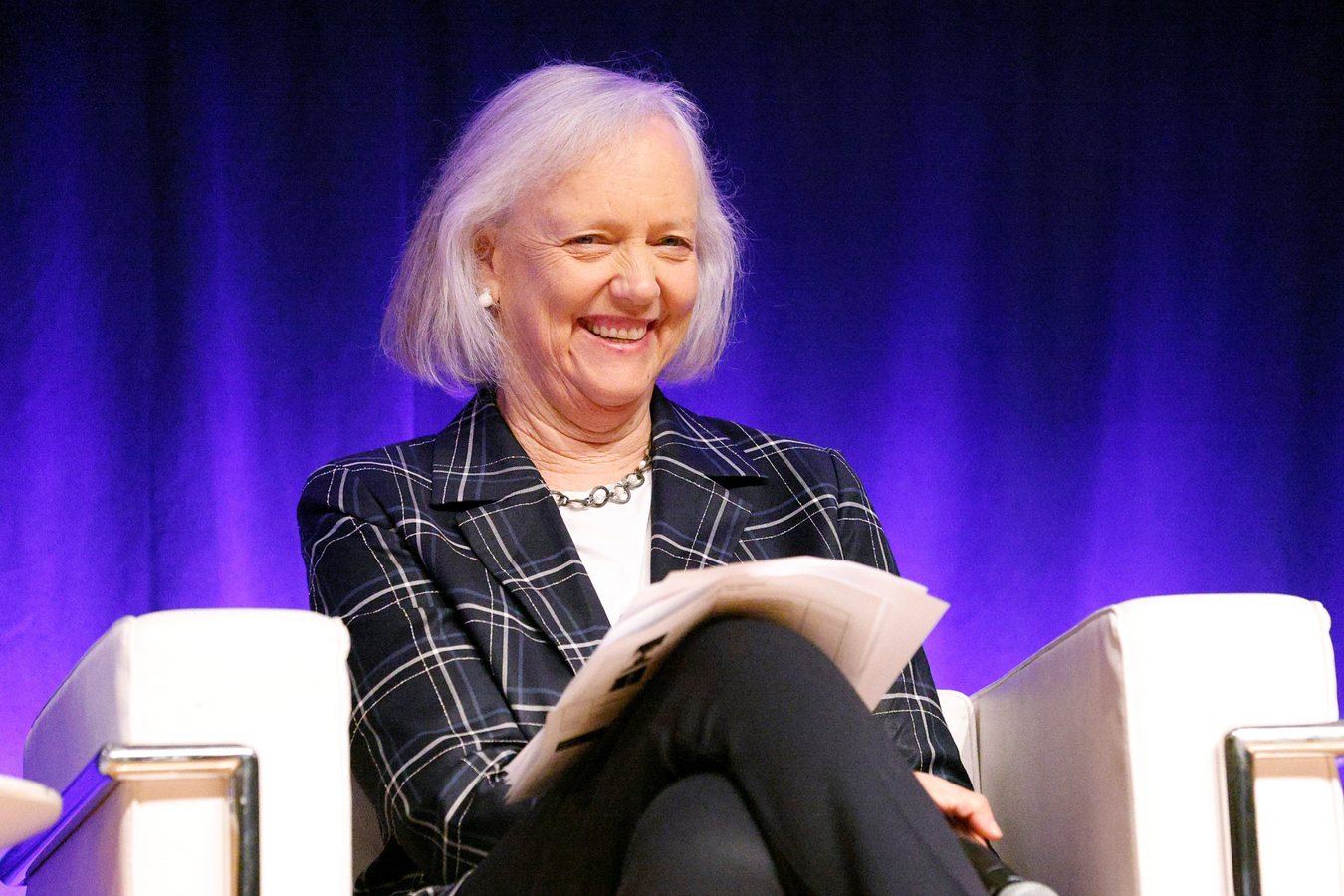
Albertsons has withdrawn its financial forecasts while it reviews its strategy, cost structure and brand portfolio, in the first clear signal of how far newly appointed executive chairman Meg Whitman intends to reshape the US grocery group.
The company, which operates its namesake supermarkets alongside 21 other chains including Safeway, Vons, Jewel-Osco, Tom Thumb and Randalls, said net sales fell to $18.9bn in its second fiscal quarter. Identical sales, which strip out the effect of stores opened or closed during the period, dropped 0.8 per cent — the second consecutive quarterly decline.
The suspension of guidance suggests Albertsons may be preparing a deeper turnaround than originally planned under Whitman, the technology veteran who joined the company last month. «Everything should be on the table,» she told Wall Street analysts on the quarterly conference call. «Dramatic improvement is needed now. Albertsons must move faster to change the trajectory of the business.»
Chief executive Susan Morris announced a plan in July called ACI Edge, aimed at improving competitiveness by reviewing strategy, costs, operations and the group's portfolio of brands. The company said on Tuesday that forecasts would remain suspended until that review concludes.
Albertsons has been squeezed by cash-strapped shoppers cutting back on non-essential spending as food inflation and higher fuel prices erode household budgets. Its lower-income customers are trading down to cheaper items and own-brand products, which either compresses margins or pushes them towards rivals such as Walmart and Kroger.
«The reality right now is that the economy is tough for many of our customers,» Morris said.
The group also carries a cost structure higher than that of its competitors, leaving it less room to absorb price increases than discount operators like Walmart and Kroger or bulk retailers such as Sam's Club and Costco. Its sprawling collection of regional chains has created complex operations and the higher costs that accompany them, making pricing decisions slower and less flexible.
Neil Saunders, managing director at GlobalData, described Albertsons' prices as «ridiculously high compared to rivals». He said that would be «partly justifiable if other dimensions — store experience, service, private label and so forth — were above par, but they're not». To fix the problem, he added, Albertsons would need to «invest in prices», retail shorthand for lowering them. That in turn increases pressure to find cost savings elsewhere.
Whitman's remarks to analysts indicate that no part of the business is off limits. She hinted that Albertsons could shed some brands through «potential strategic actions».
Her appointment brings significant turnaround experience, though little in grocery or retail beyond her decade as chief executive of eBay. At Hewlett-Packard in 2011, she simplified the structure and product portfolio of a company damaged by the Autonomy acquisition, strategy reversals and declining revenue and margins, and oversaw its split into two businesses. At eBay, she professionalised the management and operations of a fast-growing technology startup, setting the stage for a period of rapid expansion.
Morris became chief executive in 2025 after the collapse of the planned $24bn merger between Albertsons and Kroger, which was followed by the departure of both companies' chief executives. Albertsons is currently suing Kroger for $9bn over the failure of the deal. Morris had previously served as operations chief for seven years.
Before Whitman's arrival, Morris had already taken steps to make the group more flexible, reducing the number of operating regions to four from 11 to generate economies of scale and speed up decision-making. She also centralised much of Albertsons' merchandising under a single team.
As executive chairman rather than simply chair, Whitman's role is more hands-on. She acts as a close operations and strategic adviser to Morris, helping sharpen strategy, improve execution and move faster.
«The company has greater potential than its results have reflected,» Whitman said. «But dramatic improvement is needed now. I believe we will turn the corner.»
7