Economy 4 min read By Callum Montgomery
Oil prices ease as traders weigh Russian diesel supply against Gulf risks
Crude prices slipped as the prospect of increased Russian diesel exports offset concerns over supply disruptions in the Gulf, with traders monitoring diplomatic efforts and regional tensions.
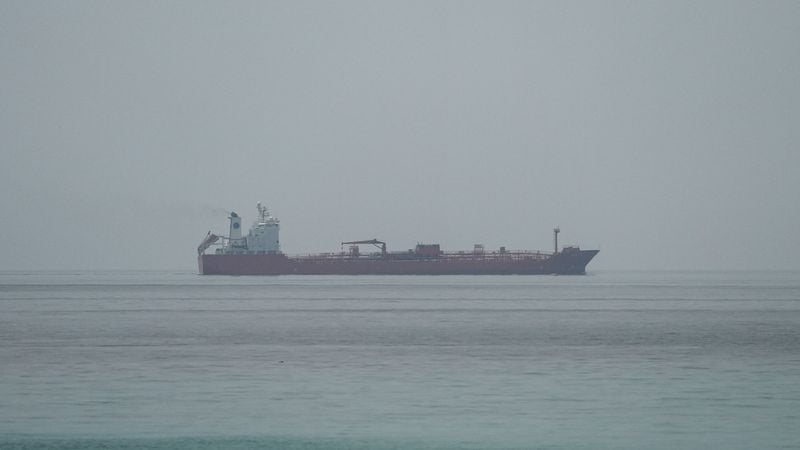
Oil prices edged lower on Monday as traders assessed the potential for a deal that would allow Russia to boost diesel exports, easing pressure on global fuel markets, while keeping a wary eye on supply risks stemming from attacks in the Gulf region.
Brent crude, the international benchmark, fell by around 0.5 per cent, while US West Texas Intermediate also declined. The modest drop came as reports suggested that Russia and Turkey were moving closer to an agreement that would permit Moscow to increase diesel shipments, potentially alleviating tightness in European and global distillate markets.
The prospect of additional Russian diesel supply countered concerns over escalating tensions in the Middle East, where recent attacks on Saudi Arabian oil infrastructure have raised questions about the security of shipments from the world's largest exporter. Traders are weighing whether the diplomatic push to secure Russian fuel flows will be enough to offset any disruption from the Gulf.
Russia is a major producer of diesel and other refined products, and any increase in its exports could help cool prices that have been volatile since the invasion of Ukraine. Sanctions imposed by Western nations have disrupted traditional trade routes, forcing Moscow to seek new buyers and prompting fears of shortages in Europe. A deal with Turkey, a Nato member and key energy transit hub, would represent a significant shift in the flow of refined products.
Meanwhile, the attacks on Saudi facilities, which have been attributed to Houthi rebels in Yemen, have underscored the vulnerability of oil infrastructure in the region. While Saudi Arabia has demonstrated resilience in restoring production after previous incidents, the persistent threat keeps a risk premium embedded in crude prices. The market is also monitoring broader geopolitical developments, including negotiations over Iran's nuclear programme, which could eventually lead to more Iranian barrels entering the market.
Analysts noted that the oil market remains finely balanced, with bearish factors such as weaker-than-expected economic data from China and the possibility of higher Russian diesel exports competing against bullish supply risks. The International Energy Agency has warned of potential supply crunches later in the year, but for now, traders appear to be taking a wait-and-see approach.
The price movement reflects a market that is sensitive to both supply-side headlines and demand-side indicators. With central banks continuing to tighten monetary policy to combat inflation, concerns about a global economic slowdown persist, which could weigh on oil demand. However, the onset of the summer driving season in the northern hemisphere typically provides support to prices.
In the coming days, traders will be watching for confirmation of the Russian diesel deal and any further developments in the Gulf. The outcome of these two factors will likely determine the next direction for crude prices, which have been range-bound in recent weeks. For now, the slight easing suggests that the market is giving more weight to the possibility of additional supply than to the immediate threat of disruption.
6