Economy 5 min read By Callum Montgomery
Ireland Proposes €1.62 Trillion EU Budget as Sweden Calls It «Wildly Unaffordable»
Ireland, holding the EU's rotating presidency, has proposed a €1.62 trillion budget for 2028-2034, a 30% increase over the current package but 8% below the European Commission's target. Sweden and Germany are pushing back, demanding deeper cuts.
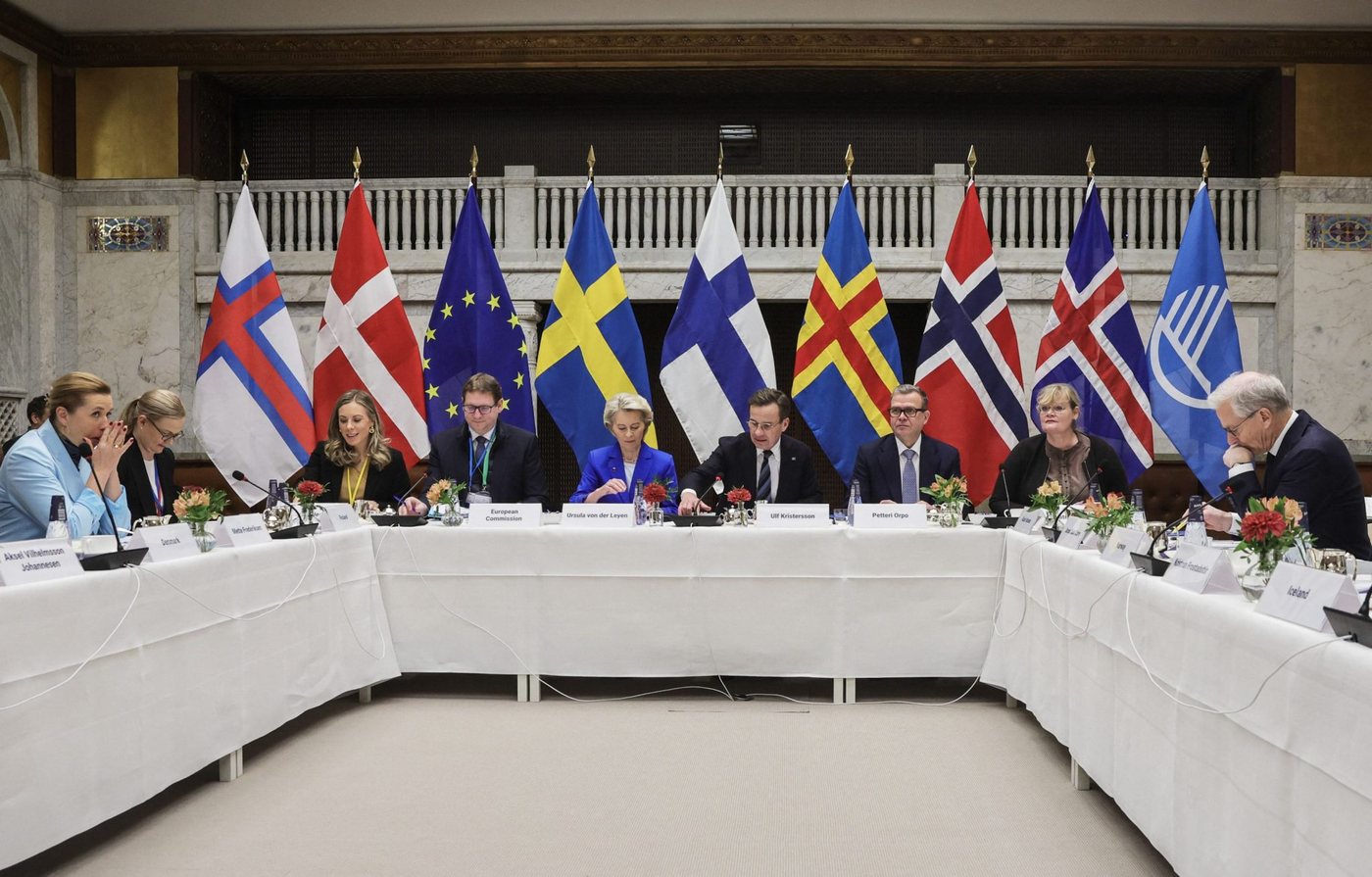
Ireland has proposed a €1.62 trillion ($1.81 trillion) budget for the European Union's 2028-2034 spending cycle, setting the stage for difficult negotiations among member states over the bloc's financial priorities. The proposal, tabled by the Irish presidency over the weekend, represents a 30% increase over the current seven-year package but falls 8% short of what the European Commission had requested.
The multiannual financial framework, as the long-term budget is known, amounts to roughly 1.2% of the 27-nation bloc's gross national income and is financed primarily by member countries according to the size of their economies. It must be endorsed unanimously by all member states and the European Parliament, making it a focal point where EU ambitions, competing policy priorities and economic constraints collide.
Sweden, one of roughly eight net contributor countries that pay more into the budget than they receive back, has rejected the Irish proposal outright. «It's wildly unaffordable, and the volume must go down,» said Sweden's EU Affairs Minister Jessica Rosencrantz as she arrived for talks in Luxembourg. She warned that the Irish plan would mean «a 60% increase in the Swedish contribution» — a cost she described as «a fee for the Swedish taxpayers to pick up, which limits us to make the necessary priorities back home.» Stockholm insists that «several hundred billion euros» more in cuts are needed.
German Chancellor Friedrich Merz, whose country is Europe's largest economy and a major net contributor, welcomed Ireland's «tireless efforts» but cautioned that «we are still a long way from reaching an agreement.» Speaking ahead of a two-day summit in Brussels starting Thursday, Merz said: «The EU budget must be affordable for those who bear the main burden of financing. Everyone must contribute to the necessary adjustments.»
The standoff reflects a broader dilemma. Cohesion funds for Europe's poorer regions and the Common Agricultural Policy together account for about two-thirds of the budget. Countries that benefit from these transfers are resisting cuts, while net contributors are refusing to increase their payments. If no additional money is found, either farm and cohesion spending must shrink or the EU's ambitions on defence, competitiveness and other priorities must be scaled back.
The negotiations are unfolding against a backdrop of external pressures, including support for Ukraine in its defence against Russia's invasion and efforts to keep European industry competitive amid high energy prices and trade tensions with the United States and China. At the same time, elections in France, Italy, Poland and Spain over the coming year could test the bloc's political cohesion, with the hard right leading in French opinion polls and outcomes in Poland and Spain difficult to predict.
France, Italy and Belgium, all burdened by high debt, oppose paying more into the common purse. The European Commission is exploring new «own resources» to supplement national contributions, including revenue from the carbon emissions trading system and a new tobacco duty. As a bloc, the EU is not permitted to levy taxes directly but earns income from customs duties and value added tax.
Despite the divisions, Irish EU Affairs Minister Thomas Byrne struck an optimistic note. «That was our task, to find that basis,» he said before chairing Tuesday's meeting. «We weren't asked to find a basis for agreement. That will come later.» He added: «Nobody's going to get everything that they want. But we hope that there'll be something there for everybody.»
European Council President António Costa, in his invitation letter to leaders, described a «timely agreement» as «essential to provide our economies with the predictability and stability they need in an unstable and unpredictable world.» Missing the end-of-December deadline would not immediately halt funding, as nations have another year, but legislation on spending programmes must be adopted and approved in time for money to flow by January 2028.
8