Economy 4 min read By Arthur Ellington
Dollar Holds Near 18-Month High as Geopolitical Risks Mount
The US dollar remains close to its strongest level in 18 months, supported by safe-haven demand amid rising geopolitical tensions and expectations that the Federal Reserve will keep interest rates higher for longer.
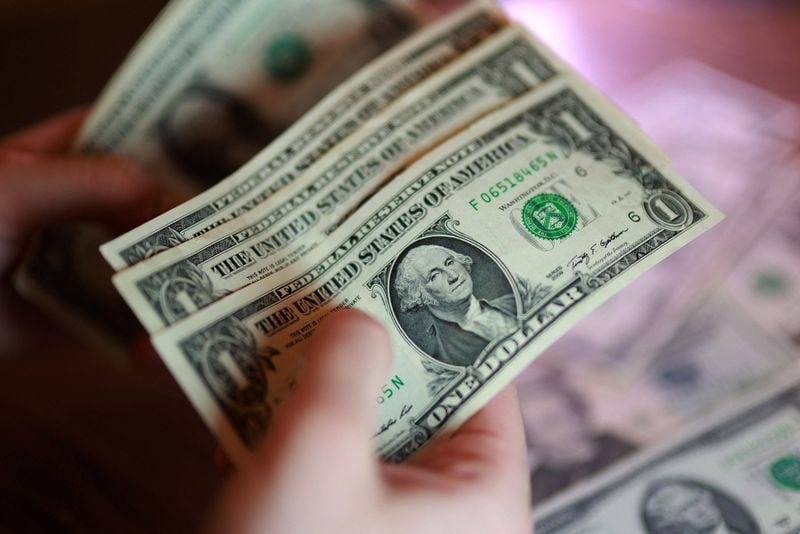
The US dollar held near an 18-month high on Tuesday, underpinned by safe-haven demand as geopolitical tensions escalated and investors bet that the Federal Reserve will maintain a hawkish stance on interest rates.
The dollar index, which measures the greenback against a basket of six major currencies, traded just below the peak reached earlier this week, its strongest since November 2022. The currency has benefited from a combination of robust US economic data, persistent inflation, and a shift in market expectations for monetary policy.
Geopolitical risk has added to the dollar's appeal. Escalating conflicts in the Middle East and the ongoing war in Ukraine have driven investors toward assets perceived as safe. The dollar, along with US Treasuries and gold, has traditionally served as a refuge during periods of global uncertainty.
«The dollar is the cleanest safe-haven play in a world where geopolitical risk is rising,» said a currency strategist at a major European bank. «Combine that with a Fed that is in no rush to cut rates, and you have a powerful combination.»
Market participants have scaled back expectations for aggressive rate cuts by the Federal Reserve this year. Strong US employment figures and sticky inflation have forced traders to reconsider how quickly the central bank will ease policy. Futures markets now imply only a modest reduction in borrowing costs by December, compared with earlier forecasts of multiple cuts.
In contrast, other major central banks are seen as more likely to loosen policy. The European Central Bank and the Bank of England have signalled that they could begin cutting rates as their economies slow. That divergence in monetary policy has widened interest rate differentials in favour of the dollar, making it more attractive to yield-seeking investors.
The euro has come under pressure, trading near its weakest level against the dollar in several months. The pound has also slipped, while the Japanese yen remains near multi-decade lows despite intervention threats from Tokyo. Emerging market currencies have felt the strain, with several central banks forced to defend their exchange rates.
A stronger dollar has wide-ranging implications for the global economy. It makes US exports more expensive and could weigh on American manufacturing. For emerging markets, a rising dollar increases the cost of servicing dollar-denominated debt and can trigger capital outflows. Commodity prices, which are typically priced in dollars, become more expensive for buyers using other currencies, potentially dampening demand.
Despite these concerns, the dollar's rally shows few signs of abating. Analysts note that the US economy continues to outperform its peers, with consumer spending resilient and the labour market tight. That economic exceptionalism, combined with geopolitical uncertainty, is likely to keep the dollar supported in the near term.
Some investors, however, are watching for signs of a peak. If US data begin to soften or if the Fed signals a faster pivot to easing, the dollar could retreat. But for now, the greenback remains the currency of choice for those seeking safety and yield.
The dollar index was last trading marginally lower on the day but within striking distance of its recent high. Traders will closely monitor upcoming US inflation and retail sales data, as well as any further developments in global hotspots, for the next directional cue.
9