Business 5 min read By Bethany Hadley
Virgin Group CEO Josh Bayliss Scans TikTok Daily to Track Gen Z Consumers
Virgin Group chief executive Josh Bayliss says he uses TikTok as a research tool to understand the generation shaping consumer culture, arguing the zeitgeist no longer sits with executives in their fifties.
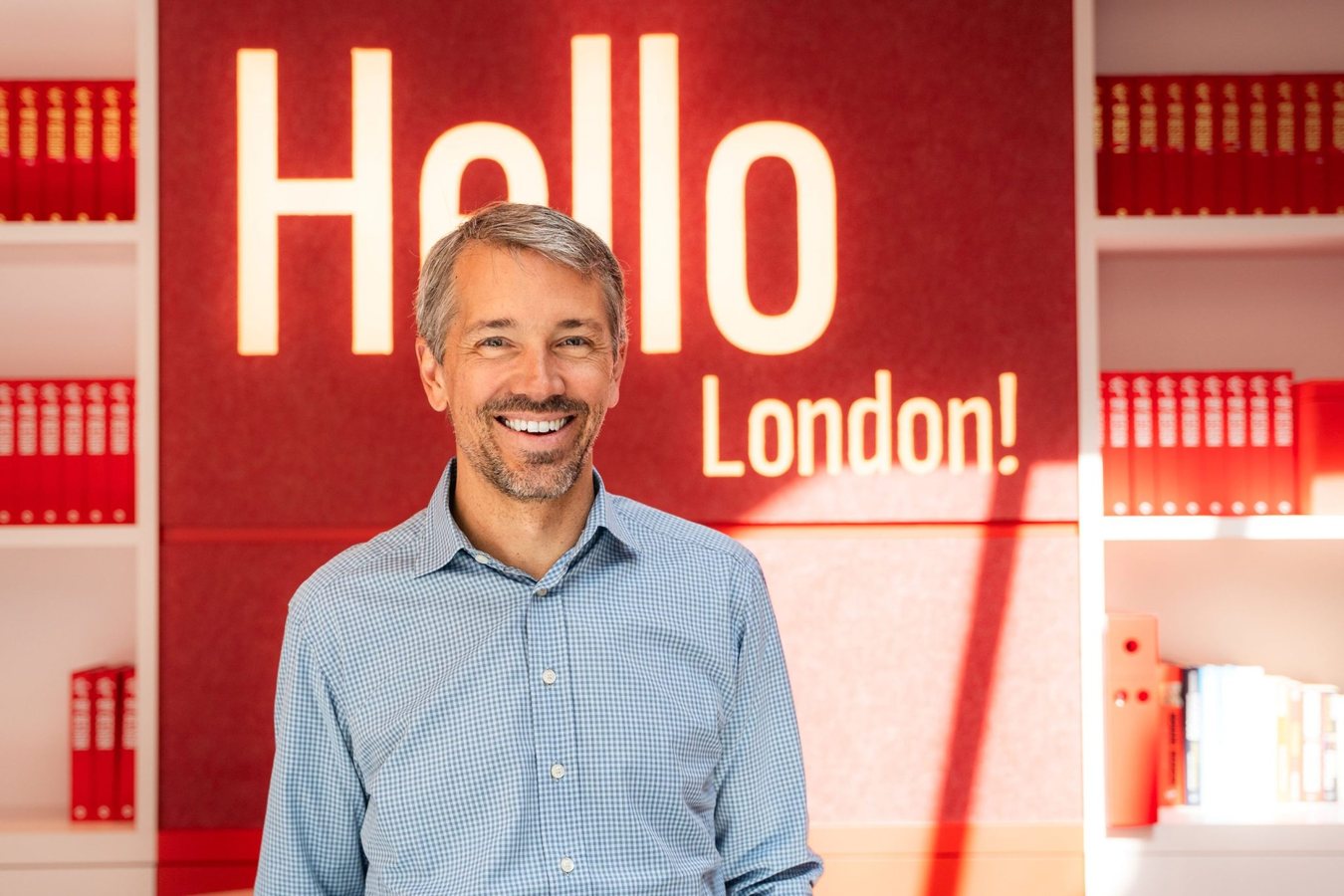
Virgin Group chief executive Josh Bayliss has said he turns to TikTok every day, not for entertainment but as a working tool to understand how younger consumers think and where new business opportunities are forming. The 53-year-old told Fortune that the cultural centre of gravity has shifted decisively away from his own age group.
«The zeitgeist is not people in their 50s like me,» Bayliss said. «The zeitgeist is 20-something year olds who are shaping the culture that we have an obligation to serve.»
His approach differs from that of several prominent corporate leaders who have built personal followings on social platforms. McDonald's Chris Kempczinski and Costco's Ron Vachris have regularly appeared in their companies' social media content. Bayliss instead watches from the sidelines, treating trend awareness as part of the job rather than a personal branding exercise.
The scale of the audience helps explain why. More than 49.5 million members of Generation Z use TikTok, and viral moments can reshape consumer behaviour within hours. Bayliss runs a conglomerate whose interests span an airline, a gym chain, a hotel group, a telecommunications giant and a commercial space-tourism business, leaving him with little margin to misread what younger customers want.
He frames the task in terms of values as much as products. «The way that Gen Z or millennials think about social justice, think about equality, think about inclusion, think about environmental issues — they are our target audience, and that's where we have an obligation, I think, to listen all the time,» he said. For brands, direct engagement with consumers also offers a way to spot trends early, before they can make or break a business model. «You've got to have the volume turned up 24/7, honestly,» Bayliss added.
Staying current with younger consumers is not a new commercial requirement, but the pace of technological and cultural change has raised the pressure on executives to understand what is happening before they need a younger colleague to explain it. Evan Kropp, an instructor at the University of Florida's College of Journalism and Communications, said audiences now expect brands to be socially aware and respectful in their messaging. That goes beyond using trending hashtags, he argued, and requires hiring diverse creators, listening to feedback and staying informed about social and cultural conversations.
Kropp added that companies embracing cultural fluency can build stronger communities and deepen brand loyalty, while also avoiding costly missteps in public perception. One consequence is that brands are no longer content merely to post on social media. They increasingly insert themselves into conversations already under way, commenting on viral videos and engaging users directly. Virgin's social media team, for example, frequently replies to comments on its own posts, reflecting the view that consumers should feel listened to rather than simply broadcast at.
Bayliss's stance fits a broader pattern among senior executives who describe learning as a permanent part of leadership. Virgin founder Richard Branson, 76, has built a substantial social media presence with more than 4.9 million Instagram followers, yet has repeatedly stressed that he does not know everything and that curiosity must continue throughout a career. «As someone who didn't finish school, I think it's so important to become a lifelong learner and embrace an endless curiosity about the world,» Branson wrote in 2019.
Indra Nooyi, the former chief executive of PepsiCo, has made a similar argument. Reaching the top of a company does not mean learning stops, she has said; if anything, that is when the difficult part begins. «When you become a CEO, the game just begins,» she said at an Amazon tech conference in 2025. «The tough life just begins, okay? If you think you've landed, you're mistaken.»
AT&T chief executive John Stankey has taken a more structured route to the same end, seeking out a «reverse mentor» — someone younger who can explain how younger generations think and use technology. «My kids aren't in the house anymore, so I need a little bit more time with people in their 20s than what I used to have,» Stankey said in a joint interview with JPMorgan Chase chief executive Jamie Dimon hosted by LinkedIn. He described a personal system for moments when he encounters an unfamiliar trend, piece of software or phrase in a meeting: rather than interrupt, he notes it down and investigates later, sometimes using a chatbot to bring himself up to speed.