Economy 4 min read By Alice Ashford
Regional mayors to keep share of income tax and business rates, Burnham announces
Prime Minister Andy Burnham has announced that regional mayors will be allowed to retain a slice of income tax and business rates collected in their areas, saying the move will «empower» regions to spend on their own priorities.
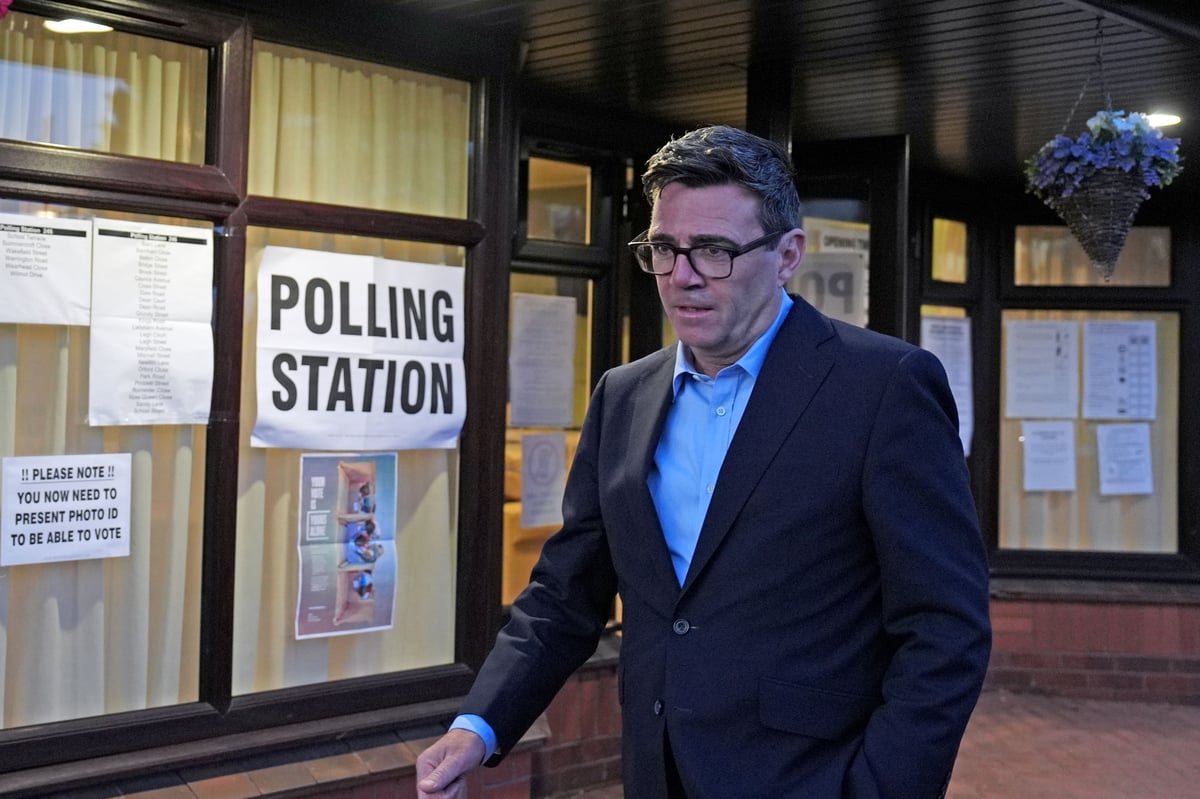
Prime Minister Andy Burnham has announced that regional mayors will be allowed to keep a slice of income tax and business rates collected in their areas, saying the change will «empower» regions to spend on their own priorities.
The policy, set out by Mr Burnham, gives directly elected regional leaders a financial stake in the economic performance of the areas they lead. At present, tax revenue collected across the country is pooled centrally and then distributed through government funding decisions. Under the announced change, a portion of locally raised income tax and business rates will remain with each region's mayor, who will decide how it is spent.
Mr Burnham said the aim was to give local leaders greater control over decisions that affect their communities. By allowing regions to keep part of the taxes raised there, he argued, the government would strengthen local accountability and reduce the extent to which spending priorities are determined by officials in Whitehall.
Income tax and business rates are among the most significant sources of revenue in the UK tax system. Business rates are charged on commercial premises, while income tax is paid by workers on their earnings. Linking both to the budgets of elected mayors means that local funding will be more closely tied to economic activity in each region.
Mayors will be able to use the retained funds for projects and services they identify as local priorities, rather than relying on centrally controlled programmes. The prime minister presented the announcement as part of a broader effort to spread power beyond Westminster and to give regional leaders more responsibility for the places they represent.
The change also alters the incentives faced by local leaders. When growth leads to higher tax revenue, a share of that growth will now stay in the region that generated it. That is likely to encourage mayors to focus on investment, business support and improvements to local public services. It may also increase pressure on mayors to demonstrate that the money is being used effectively, since spending will be tied more directly to local taxpayers.
The announcement represents a significant step in the government's approach to devolution. More areas of England now have directly elected mayors, and the decision to give them a stake in tax income extends the principle of devolution from administrative powers to financial power. It is also likely to intensify the debate over how much control central government should retain over regional spending.
No figures have yet been published on how much of the local tax take mayors will be allowed to keep, or on the timing of the new system. The principle, however, has now been set out clearly: regions that generate tax revenue should benefit directly from it. Mr Burnham said the policy would «empower» regions, and the announcement is expected to shape future discussions about the funding of local government in England.