Economy 5 min read By Alice Ashford
Canada activates retaliatory tariffs on US imports after trade talks fail
Canada has activated retaliatory tariffs on US imports worth C$27.6 billion after trade negotiations failed, escalating the trade war between the two allies.
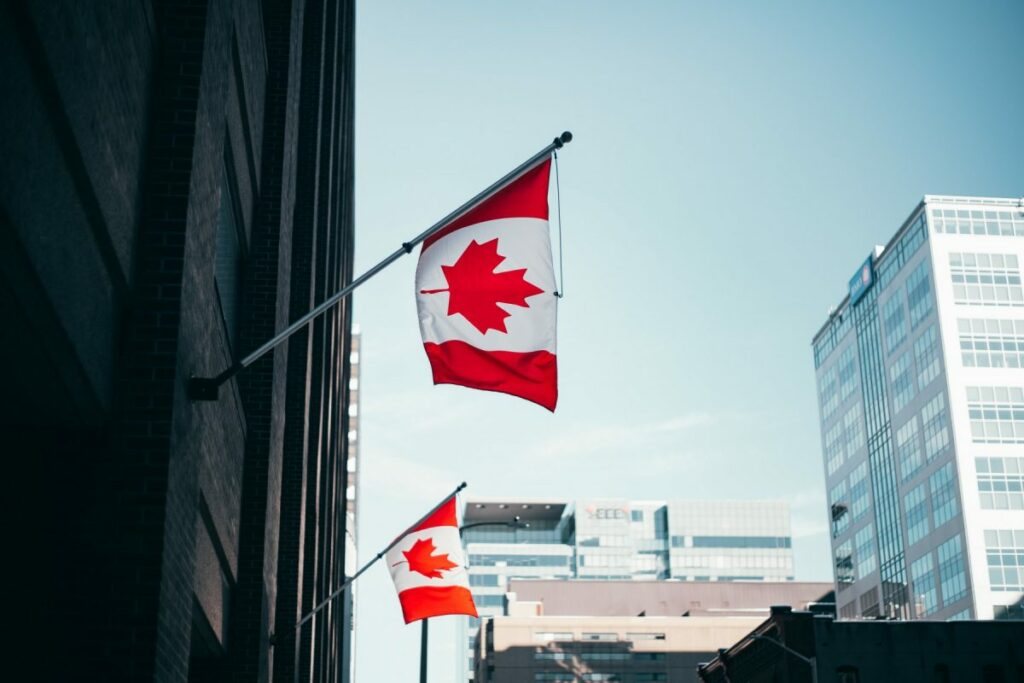
Canada activated retaliatory tariffs on a range of US imports on Tuesday, escalating the trade war between the two allies after talks aimed at averting the measures collapsed. The new duties target goods worth C$27.6 billion, roughly US$20 billion, and mark a significant hardening of Ottawa's position in the dispute.
The move follows the failure of commercial negotiations designed to prevent such a response. Canadian officials had sought a negotiated settlement with Washington but were unable to secure terms acceptable to Ottawa, prompting the government to follow through on its previously announced threat of countermeasures.
The tariffs represent a direct response to US duties on Canadian steel and aluminium, which were reimposed by the administration of President Donald Trump earlier this year. Canada, one of the largest suppliers of steel and aluminium to the American market, had warned that it would retaliate if the tariffs were not lifted.
The affected products include a wide array of consumer goods and industrial inputs, from household appliances to construction materials. Canadian importers will now face additional costs on these items, a burden that is likely to be passed on to consumers and businesses across the country.
Economists have warned that the escalation could have ripple effects on both economies, given the deep integration of cross-border supply chains. The United States and Canada are each other's largest trading partners, with bilateral trade in goods and services exceeding US$700 billion annually.
The dispute has also raised concerns about the stability of the broader North American trading framework. The United States-Mexico-Canada Agreement, which replaced NAFTA in 2020, was designed to provide predictable terms for regional commerce, but the current tariff conflict has tested those arrangements.
Canadian officials have framed the tariffs as a measured and proportionate response. They have also signalled that further measures could follow if Washington does not change course, leaving the door open for additional escalation in the coming weeks.
For American exporters, the Canadian tariffs add another layer of uncertainty at a time when global trade conditions are already strained. The US has been engaged in multiple trade disputes simultaneously, including with China and the European Union, and the Canadian front now adds further pressure on American businesses seeking stable access to foreign markets.
The timing of the escalation is particularly awkward for both governments. Canada is preparing for a federal election, and trade relations with the United States have become a central campaign issue. The ruling Liberal government has sought to project strength in defending Canadian interests, while opposition parties have criticised the handling of the file.
In Washington, the administration has defended its tariff policy as necessary to protect domestic industry and national security. US officials have argued that Canadian exports of steel and aluminium pose a threat to American production capacity, a claim that Ottawa has repeatedly rejected as unfounded.
The practical consequences of the tariffs will be felt most acutely in border communities and industries that depend on cross-border trade. Automotive manufacturing, which relies on parts moving back and forth across the border multiple times before final assembly, is considered particularly vulnerable to disruption.
Business groups in both countries have urged their governments to return to the negotiating table. Industry associations have warned that prolonged uncertainty could deter investment and damage the competitiveness of North American producers in global markets.
The Canadian government has said it remains open to dialogue, but insists that any resolution must involve the removal of the US tariffs that triggered this response. Until such an agreement is reached, the retaliatory duties will remain in force, sustaining a conflict with no clear end in sight.
55