Economy 4 min read By Callum Montgomery
Belgium's €1bn energy-island loan puts a future UK power link back in focus
The EIB is financing phase two of Belgium's Princess Elisabeth Island, a North Sea grid hub designed for offshore wind and future cross-border links. The UK connection is strategic potential, not yet electricity flowing through a new cable.
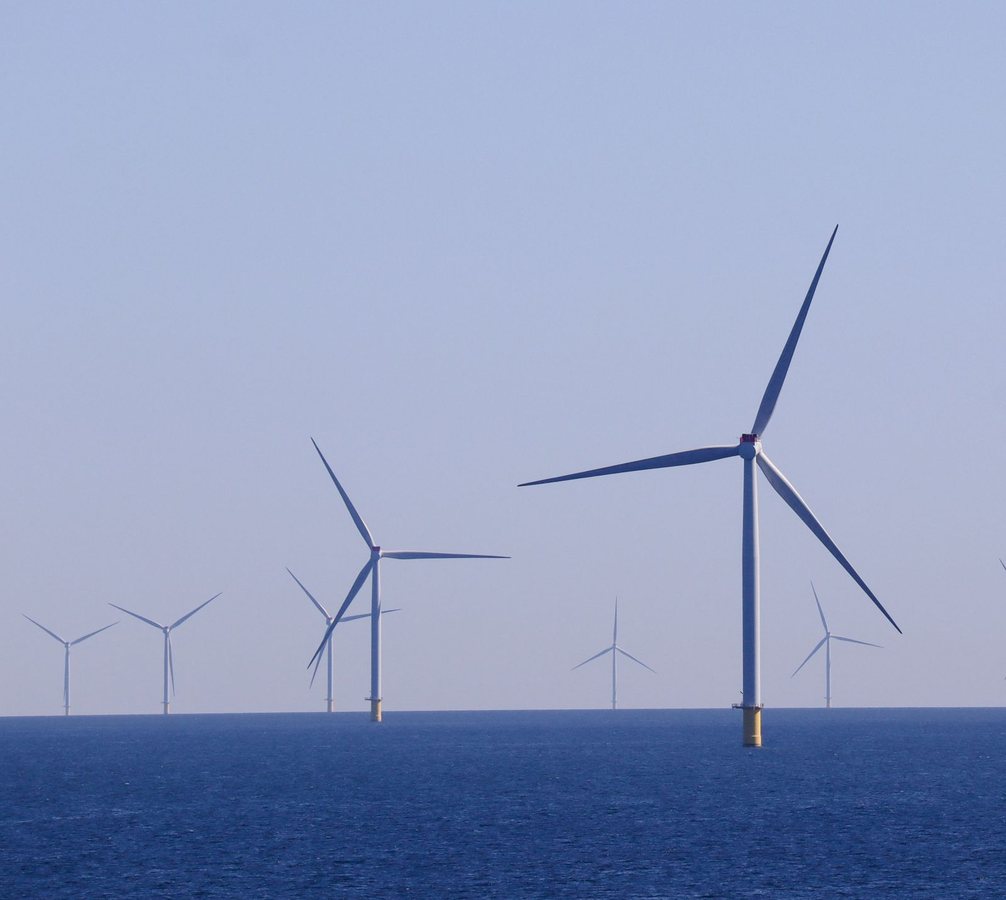
Belgium has secured a €1 billion green credit facility from the European Investment Bank for the second phase of Princess Elisabeth Island, putting one of the North Sea's most unusual pieces of grid infrastructure back on the business agenda. The project is not simply an offshore construction job. It is intended to become a junction between new Belgian wind farms, the domestic transmission network and, potentially, future cross-border electricity links including the United Kingdom.
The financing matters because offshore electricity systems are capital-intensive long before they produce a commercial return. The EIB project sheet puts the total cost of phase two at about €2.296 billion and records the €1 billion facility as signed on 17 July 2026. The bank publicly announced it on 7 September, saying favourable financing conditions should help limit project costs.
That phrase is important. The loan does not make electricity bills fall by €1 billion, nor does it amount to a subsidy paid directly to households. It changes the financing structure of a large regulated infrastructure project. Over time, lower financing costs can matter because networks recover investment through regulated revenues, but the consumer outcome depends on the full capital programme, tariff decisions and electricity-market conditions.
Princess Elisabeth Island sits roughly 45 kilometres off the Belgian coast. Its central economic purpose is to collect power from new offshore wind generation and bring it into Belgium's high-voltage grid. The more strategic purpose is optionality: an offshore hub can support hybrid connections that combine wind-farm access with cross-border trade rather than treating generation and interconnection as completely separate systems.
For Britain, that is the point worth watching. The UK and continental Europe already trade electricity across subsea cables, and a future Belgian link associated with the island would add another route into an increasingly interconnected North Sea market. It could help move surplus power between systems when wind output, demand and prices diverge. Yet the EIB announcement should not be mistaken for a final investment decision on a new UK cable. It says the island can facilitate such a connection; the actual interconnector would still depend on separate technical, regulatory and commercial decisions.
This distinction is especially relevant as governments promote the North Sea as a major offshore-wind basin. Building turbines is only one layer. Each additional gigawatt requires transmission capacity, landing points, network reinforcement and rules for how power moves across borders. Grid bottlenecks can strand generation or force costly redispatch even when the wind resource itself is abundant.
The Belgian project therefore illustrates a wider shift in energy investment. Transmission assets are becoming strategic infrastructure in their own right, not an afterthought to power generation. Their economics are shaped by regulated returns, public policy, financing costs and the value of connecting markets.
The next milestones will be more consequential than the loan headline alone: progress on construction, the timing of offshore wind connections and decisions on future interconnectors. If a UK link advances, Princess Elisabeth Island could become part of a shared North Sea trading architecture. Until then, the €1 billion facility is best understood as financing for the platform on which that option can be built.
53