Technology 4 min read By Bethany Hadley
AI cyclone model turns faster computing into extra warning time
WeatherNext Cyclones produced 15-day ensemble forecasts and showed roughly a day or more of average lead-time advantage on important tropical-cyclone forecasting tasks.
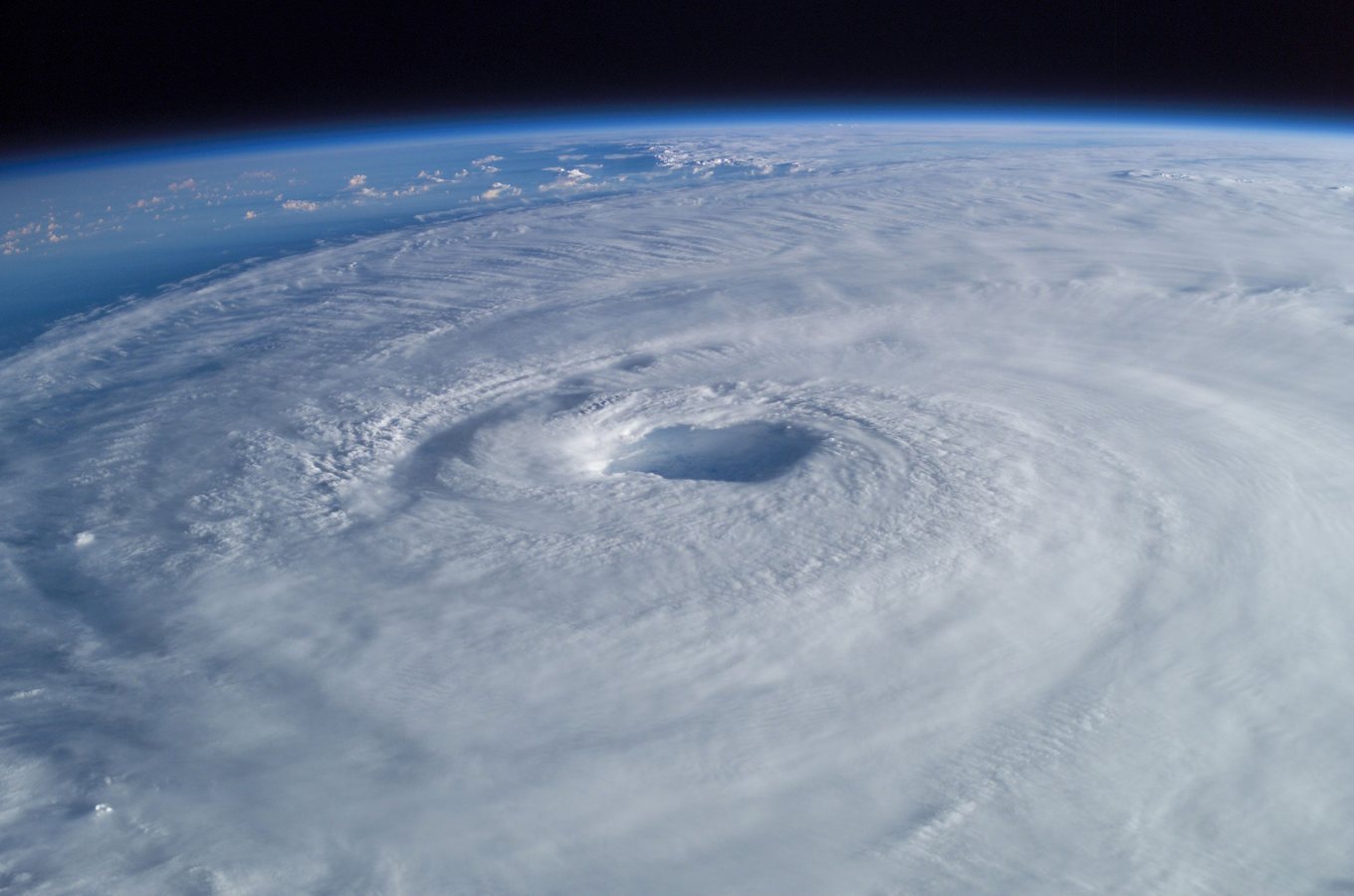
For governments, utilities, insurers and transport operators, the value of a tropical-cyclone forecast is measured partly in time. An extra day can determine whether a port clears ships, whether a hospital moves vulnerable patients and whether emergency crews are positioned before roads become dangerous. A new AI forecasting system suggests that machine learning may be able to buy some of that time.
WeatherNext Cyclones produces ensemble forecasts extending to 15 days and was evaluated on tropical cyclones from 2023 through 2025. Across important track and intensity tasks, the system reached comparable forecast skill roughly a day or more earlier than leading operational models on average. Science Official reported the result while stressing that a longer forecast horizon is not the same thing as predicting every storm accurately two weeks in advance.
The ensemble design is central. Instead of drawing one line for where a storm will go, the model generates multiple plausible futures. That gives forecasters a distribution of possible tracks, intensities and storm sizes. For businesses and public agencies, those probabilities can be more useful than a single deterministic answer because decisions are often based on risk thresholds rather than certainty.
AI weather systems have a practical advantage over conventional numerical models: once trained, they can run much faster. Traditional forecasting solves physical equations on large computational grids and remains indispensable, but the cost of producing very large ensembles is substantial. Faster machine-learning models can make it easier to explore many more possible outcomes, potentially improving the representation of uncertainty.
The business case is obvious, but so are the limits. Tropical cyclones are rare compared with ordinary weather, and the most damaging behaviour — including rapid intensification — is difficult to model. A system that performs well on average still has to prove itself on the unusual storms that cause the greatest losses. It also needs continuous evaluation outside the years used for development.
Operational forecasting is unlikely to become a contest in which AI simply replaces physics-based models. Meteorological agencies need systems that can be interrogated, compared with observations and combined with expert judgement. The more plausible path is a hybrid forecasting environment where fast AI ensembles sit alongside conventional models and specialist hurricane guidance.
If the reported lead-time advantage survives broader operational testing, the economic impact could extend far beyond weather services. Airlines, energy grids, offshore operators, insurers and retailers all make expensive decisions before a storm arrives. The technology matters not because it can make a hurricane less dangerous, but because it may move a useful piece of information earlier on the clock — when there are still more options available.
69