
Economy 5 min read By Alice Ashford
Bank of England warns inflation will rise again this year as it holds interest rates
The Bank of England has kept its key interest rate at 3.75% but warned inflation could climb above 4% next year amid rising energy costs and Iran conflict, with markets now expecting a rate hike in autumn.
The Bank of England has left UK interest rates unchanged at 3.75% but delivered a stark warning that inflation is expected to rise again this year, fuelled by geopolitical turmoil and surging energy prices. The Monetary Policy Committee voted by six to three in favour of holding the base rate, with the dissenting members calling for an increase to counter growing price pressures. Markets are now betting that the central bank will be forced to raise borrowing costs in the autumn.
The Bank’s quarterly economic forecast projects that inflation, which had been slowly retreating from its peak, will tick higher in the coming months and could exceed 4% next year. That would mark a significant setback for households already grappling with the cost of living crisis. The main drivers identified by the MPC include the escalation of the Iran conflict, which has pushed oil prices back above $90 a barrel, and rising costs for key industrial components such as memory chips.
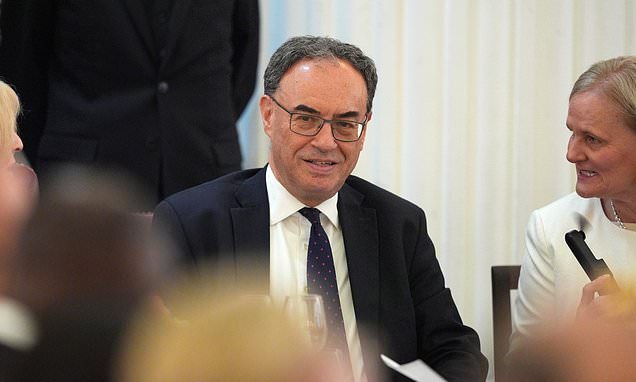
Andrew Bailey, the Bank’s Governor, told reporters that the outlook remained highly uncertain. «We are seeing renewed upward pressure on prices from global energy markets and supply chains,» he said. «The committee will continue to monitor developments closely and stands ready to act if necessary.» The three dissenting members argued that a rate hike was needed immediately to prevent inflation from becoming entrenched, but the majority preferred to wait for more clarity on the trajectory of the economy.
The decision to hold rates comes after a period of relative stability since December 2025, when the Bank last adjusted the base rate. Since then, inflation had moderated but remained above the 2% target. The renewed spike in energy costs, driven by the conflict in the Middle East, has upended those hopes. The Bank’s staff now expect inflation to remain above target for an extended period, raising the prospect of a prolonged period of tight monetary policy.
For homeowners and businesses, the warning signals that mortgage rates and loan costs could rise further later this year. The housing market, which had shown signs of stabilising, may face fresh headwinds. Savers, meanwhile, may benefit from higher interest on deposits if a rate hike materialises. The MPC’s next scheduled meeting is in September, and many economists expect a quarter‑point increase at that point, with further tightening possible before the end of 2026.
The Bank also highlighted risks from the broader global economy, including slower growth in China and persistent supply chain disruptions. However, the most immediate concern remains the impact of the Iran war on energy prices and the knock‑on effects for businesses and consumers across Britain. The committee noted that the labour market remained tight, with wages still rising at a pace that could feed into services inflation.
Financial markets reacted cautiously to the announcement. The pound weakened slightly against the dollar, while the FTSE 100 trimmed earlier gains as investors priced in a more aggressive path for rates. Analysts at major investment banks revised their forecasts, with several now predicting the base rate could reach 4.5% by early next year. The Bank has stressed that any future moves will depend on data, but the balance of risks is clearly tilted towards higher rates.
The decision has drawn mixed reactions from business groups and consumer advocates. The Confederation of British Industry warned that further rate rises could choke off investment, while the Resolution Foundation argued that the Bank must prioritise bringing inflation down to protect the living standards of low‑income households. The government has declined to comment on monetary policy, but the Treasury is expected to update its fiscal forecasts in the autumn statement, which will now have to account for higher borrowing costs and continued inflation pressure.