Business 4 min read By Callum Montgomery
Blankfein Defends College as Best Route to Middle Class
Former Goldman Sachs CEO Lloyd Blankfein, who grew up in Brooklyn public housing and entered Harvard at 16, argues higher education remains the strongest accelerator into the middle and upper classes, pushing back against tech leaders who urge students to skip university.
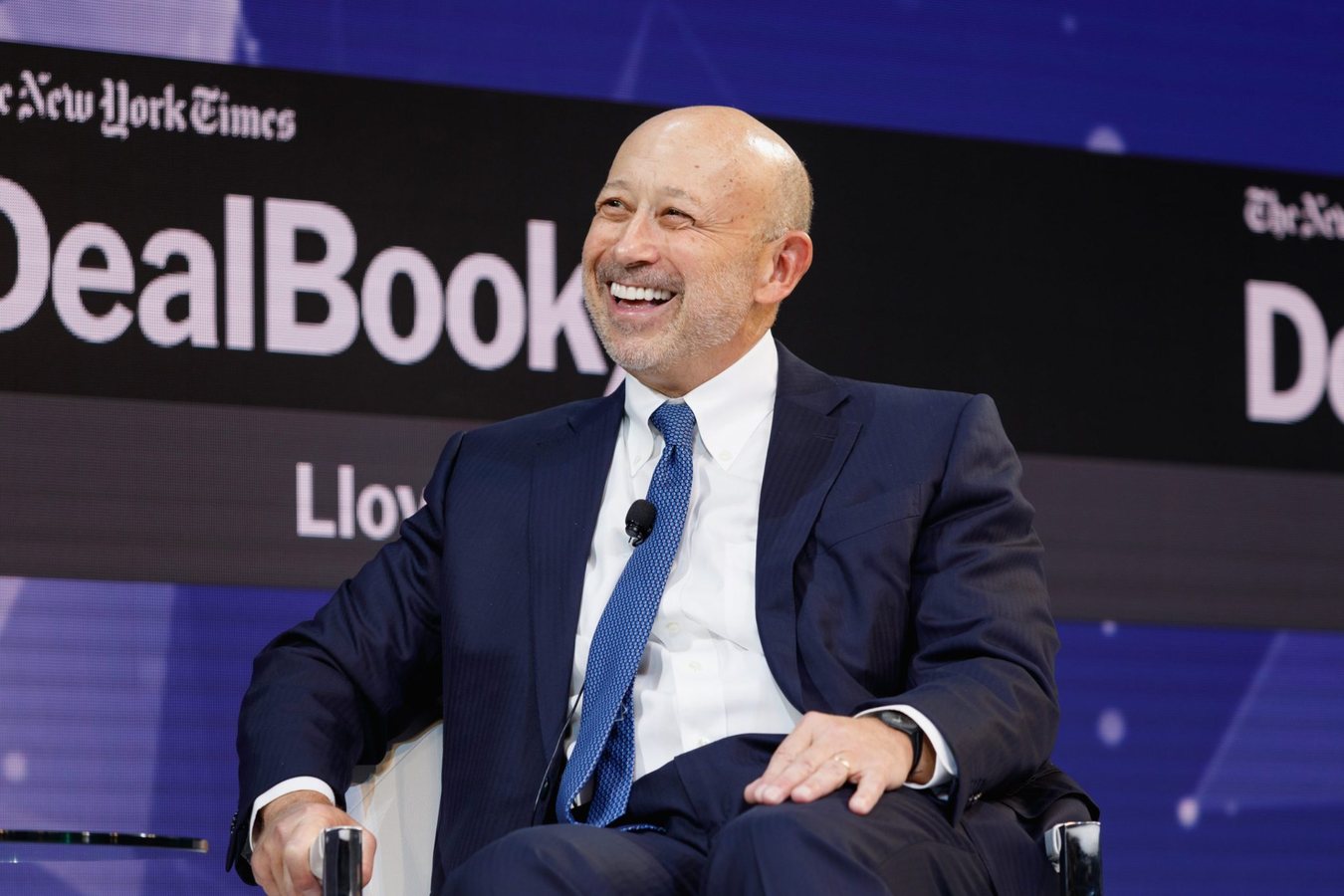
Lloyd Blankfein, the former chief executive of Goldman Sachs, has mounted a robust defence of higher education, arguing that a university degree remains the most reliable route into the middle class even as artificial intelligence threatens to reshape white-collar work. Blankfein, who grew up in public housing in Brooklyn and won a place at Harvard University at just 16, said education is the real accelerator for most people seeking to improve their economic standing.
His intervention comes amid a widening debate over the value of a college degree. Some prominent business leaders, including Palantir and PayPal cofounder Peter Thiel, have urged young people to bypass university altogether. Thiel, a Stanford University alumnus, has gone as far as offering $200,000 grants through his Thiel Fellowship to encourage entrepreneurs to abandon what he has called a corrupt institution and build new things instead. Blankfein, who also attended Harvard Law School, rejected that argument directly.
In an excerpt from his forthcoming memoir, Streetwise, shared with Vanity Fair, Blankfein wrote that he strongly disagrees with the technology investor. He argued that while technical knowledge of a field is essential, success also demands the kind of rounded personal development that university provides. «To succeed in a career, you have to know the technical minutiae of your field, of course. But you also need to be a complete person—the kind of person other people want to engage with,» he wrote.
Blankfein’s own path illustrates the transformative power he attributes to education. Born into a small New York City apartment where he shared a bedroom with his grandmother or sister, he attended a high school that was on the brink of shutting down. He studied hard, became class valedictorian, and entered Harvard at 16. That launchpad led to a career in finance culminating in a 12-year reign at the helm of Goldman Sachs. He has said the elite college nurtured his confidence, writing skills, love of history and engagement with current events, even though he described the experience as something he survived more than enjoyed.
He is not alone in crediting higher education for later success. Uber chief executive Dara Khosrowshahi has said his alma mater, Brown University, prepared him for the corner office by combining engineering, which taught him to solve complex problems, with liberal arts, which he said captured his heart. Khosrowshahi described the balanced education as one of his secrets, noting that it taught him to communicate in a compelling way—an absolute necessity in a leadership position.
The debate has taken on new urgency as AI automation raises questions about the future of graduate employment. Yet some technology leaders remain optimistic about the role of universities. Ali Ghodsi, chief executive of Databricks, has predicted that education will be completely revolutionized for the better by technological innovation, creating jobs never seen before. Daniela Amodei, cofounder of Anthropic, has insisted that studying the humanities will become more important than ever, arguing that critical thinking and the ability to interact with others will only grow in value.
Blankfein’s message to the next generation is unambiguous: college remains the best place to become uncomfortable in ways that foster curiosity and make a person more interesting. For a billionaire who rose from public housing to the top of global finance, that conviction carries the weight of lived experience—and it stands as a direct challenge to the growing chorus of sceptics who question whether the traditional university pathway is still worth the investment.
6