Business 3 min read By Arthur Ellington
BP puts North Sea oil and gas business up for sale
BP has launched a formal sale process for its North Sea oil and gas business, a move that would end six decades of production in the region. Chief executive Meg O’Neill said the business would be better positioned as part of another company as she works to simplify the firm and cut debt.
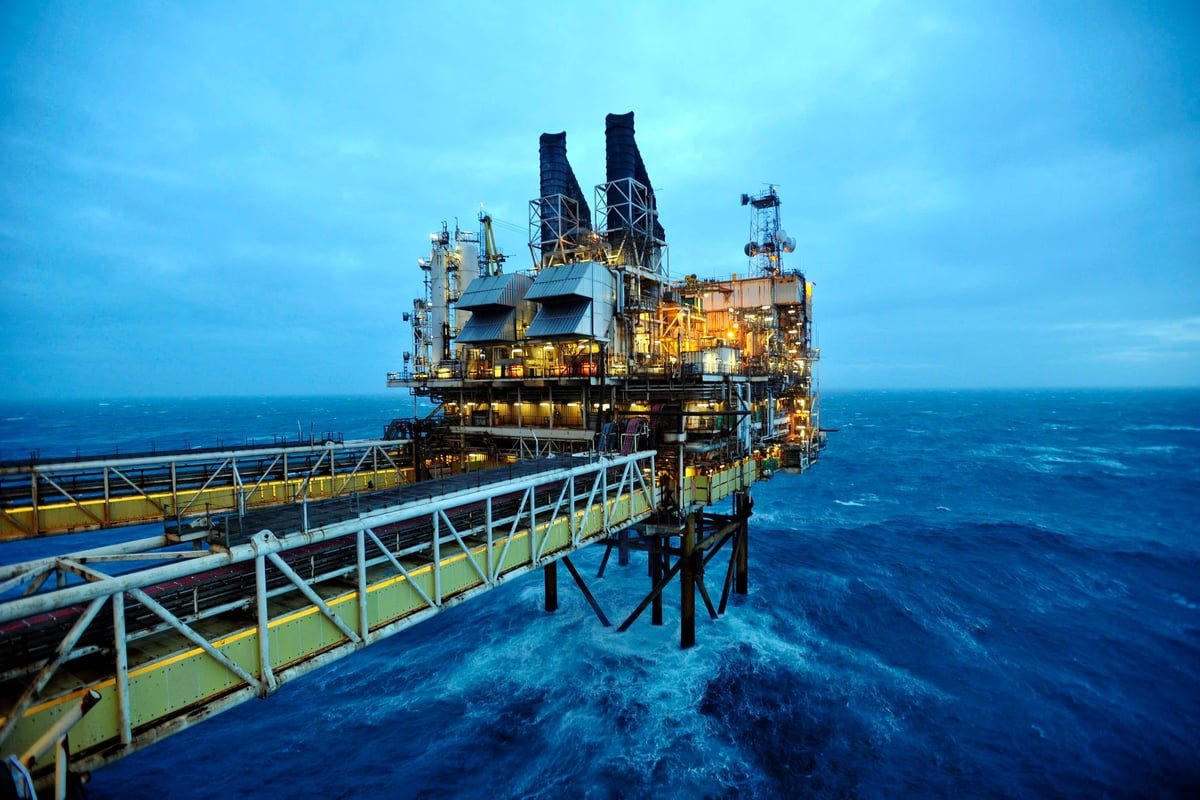
BP has formally put its North Sea oil and gas business up for sale, ending more than 60 years of production in the region for one of the UK’s biggest energy companies.
The firm announced on Friday morning that it had launched a formal process to market its North Sea business for a potential sale. The move brings to an end six decades of BP’s direct involvement in offshore production in the area, a major change to the company’s UK operations.
A sale would hand control of BP’s North Sea assets to a new owner. The company said it believed those assets could have a better future under different ownership, a view set out by its new chief executive, Meg O’Neill.
O’Neill, who is leading a drive to simplify BP and reduce its debt, said she believed the North Sea business would be «better positioned as part of another company». Her comments signal that BP’s days as a North Sea producer are drawing to a close.
BP employs around 1,100 people in the north, and the sale process will be watched closely by workers and communities linked to the offshore industry. The outcome of any deal could determine the long-term future of those jobs and of the company’s presence in the region.
The North Sea has been central to BP’s operations since the 1960s, when the UK first began developing its offshore oil and gas reserves. Over the following decades, the region became a major source of revenue and production for BP. The decision to sell brings that long chapter to a close.
The decision reflects the broader strategy being pursued under O’Neill, who has made simplifying the company and cutting debt central to her agenda. Putting the North Sea business on the market follows directly from that approach, and the formal process will now test interest among potential buyers.
The assets involved include BP’s oil and gas production operations in the North Sea, which have been active for six decades. The formal process will market those assets to prospective buyers, although there is no guarantee that a deal will be completed.
O’Neill’s statement suggested the company believes the North Sea no longer fits its long-term plans. A sale would allow BP to concentrate on parts of the business where it sees greater potential, while giving the North Sea operations an owner more focused on their future.
For the UK, the decision marks the end of an era. BP has been producing from the North Sea for 60 years, and its departure is a significant moment for the country’s offshore energy landscape. The coming months will show whether a buyer emerges and what comes next for one of Britain’s most important energy regions.