
Technology 4 min read By Alice Ashford
Vodafone Business deploys smart energy management for Iulius Group
Vodafone Business, acting as an ICT integrator, has delivered a full digital ecosystem for intelligent energy management to Iulius Group, enabling real-time consumption monitoring and rapid operational decisions across large commercial projects.
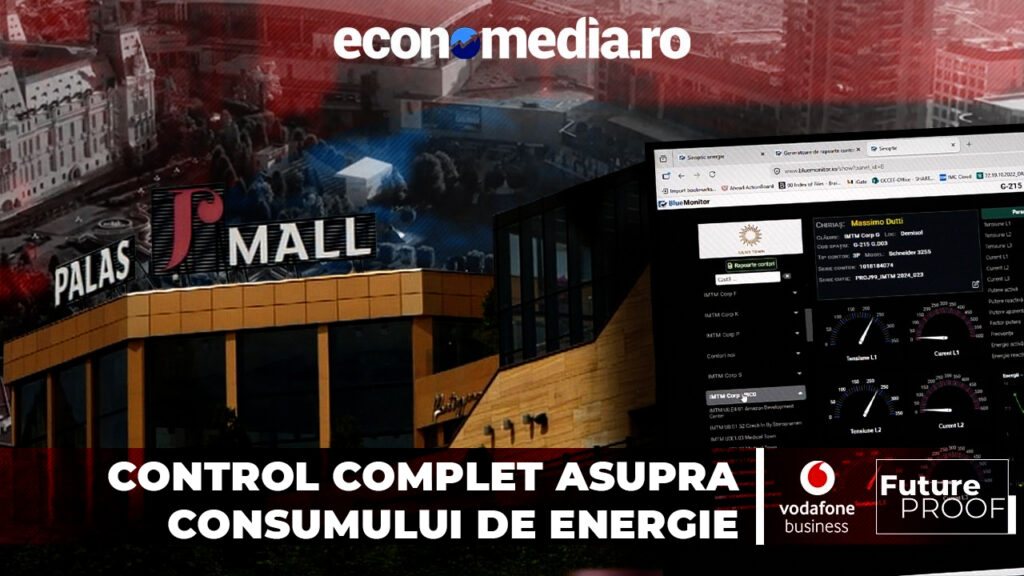
Vodafone Business has delivered a complete digital ecosystem for intelligent energy management to Iulius Group, marking a shift from passive metering to strategic operational advantage in large-scale commercial projects. Acting as an ICT integrator, Vodafone Business managed the solution end-to-end, integrating real-time consumption monitoring that supports cost reduction, financial predictability, and ESG compliance.
The system allows Iulius Group to see energy consumption in real time and make rapid decisions based on live data. This capability moves beyond traditional utility tracking, giving facility managers and executives a tool to optimise operational spending across multiple properties. The deployment reflects a broader trend in which energy management is no longer a back-office function but a core component of business strategy.
For companies operating large commercial portfolios, the financial implications are significant. Real-time visibility into consumption patterns enables faster responses to price fluctuations, reduces waste, and supports more accurate budgeting. The integration of ESG reporting requirements also positions the solution as a compliance tool, helping organisations meet sustainability targets while maintaining operational efficiency.
The project underscores the growing role of ICT integrators in bridging the gap between infrastructure and business outcomes. By managing the entire delivery chain, Vodafone Business provides a single point of accountability, reducing the complexity that often accompanies multi-vendor technology deployments. This approach is particularly relevant for property groups like Iulius, where energy costs represent a substantial share of operating expenses.
The deployment also highlights how digital tools are reshaping the commercial real estate sector. As energy prices remain volatile and regulatory pressure intensifies, property owners are increasingly turning to technology to gain a competitive edge. The ability to monitor and adjust consumption in real time is becoming a differentiator in lease negotiations, asset valuation, and investor reporting.
Vodafone Business's role as integrator rather than mere technology supplier signals a maturation of the ICT services market. Clients are seeking partners who can deliver outcomes, not just hardware and software. The Iulius Group project serves as a reference case for how integrated energy management can be implemented at scale, with potential applications across retail, office, and mixed-use developments.
The broader implications extend to the energy transition. Solutions that enable granular consumption data support grid stability and encourage more efficient use of resources. For businesses, the immediate benefits are clearer: lower costs, better forecasting, and a stronger sustainability profile. As more companies adopt similar systems, the expectation for real-time energy intelligence will likely become standard practice rather than a competitive advantage.
78