Technology 5 min read By Arthur Ellington
China's AI start-ups close model gap but face funding chasm
Chinese AI developers have narrowed the performance gap with US frontier models to around four months, but venture funding remains a fraction of American levels, forcing start-ups to explore Hong Kong listings, private credit and customer revenue sharing.
China's leading artificial intelligence developers have cut the performance gap with their US rivals to roughly four months, according to analyst estimates, down from seven months at the start of the year. Moonshot's Kimi K3, the world's largest open-weight model, has approached the capabilities of America's frontier systems. Chinese models have also surged in usage, rising from 1.2 per cent of global token traffic in 2024 to more than half of the total by summer 2026.
But the most serious obstacle to the next wave of Chinese AI ventures is not technological. It is financial. Between 2023 and 2026, venture funding into US AI companies exceeded $380bn, while China's start-ups received barely a tenth of that sum, according to Boston Consulting Group. In the first quarter of 2026 alone, venture investment in China totalled just $20bn, against $267bn in the United States.
The funding shortfall is compounded by three pressures inside China's AI economy. First, costs are rising. Memory chip maker CXMT has been increasing prices for months and held firm even when Huawei, one of its largest customers, demanded relief. Competition for AI talent is equally intense, with postings for AI-related roles surging roughly twelvefold year-on-year in early 2026. Algorithm engineers specialising in large language models command some of the highest pay packages of any technical role in the country, forcing founders to compete with deep-pocketed former employers and US rivals.
Second, external funding remains scarce. Although China's newly registered venture capital funds reached Rmb154bn ($22.8bn) in assets under management in the first five months of 2026, already exceeding last year's total, that figure is still far below what US venture capital regularly deploys. State banks, despite being directed to prioritise technology lending, are absorbing rising non-performing loans elsewhere on their books, which could weaken overall credit supply.
Third, profitability will take time. Chinese enterprise software firms primarily sell into the domestic market, limiting their revenue base. US competitors enjoy a global customer base, stronger brand recognition and research budgets deep enough to fund everything from enterprise-grade cybersecurity to polished customer experience design.
China's entrepreneurs have traditionally looked to state guidance funds and venture capital, but policy-driven funds tend to prioritise later-stage start-ups while early-stage venture capital is only just recovering from a three-year fundraising drought. The result is that many Chinese technology start-ups are choosing to list earlier than the previous generation did, simply because they lack an alternative.
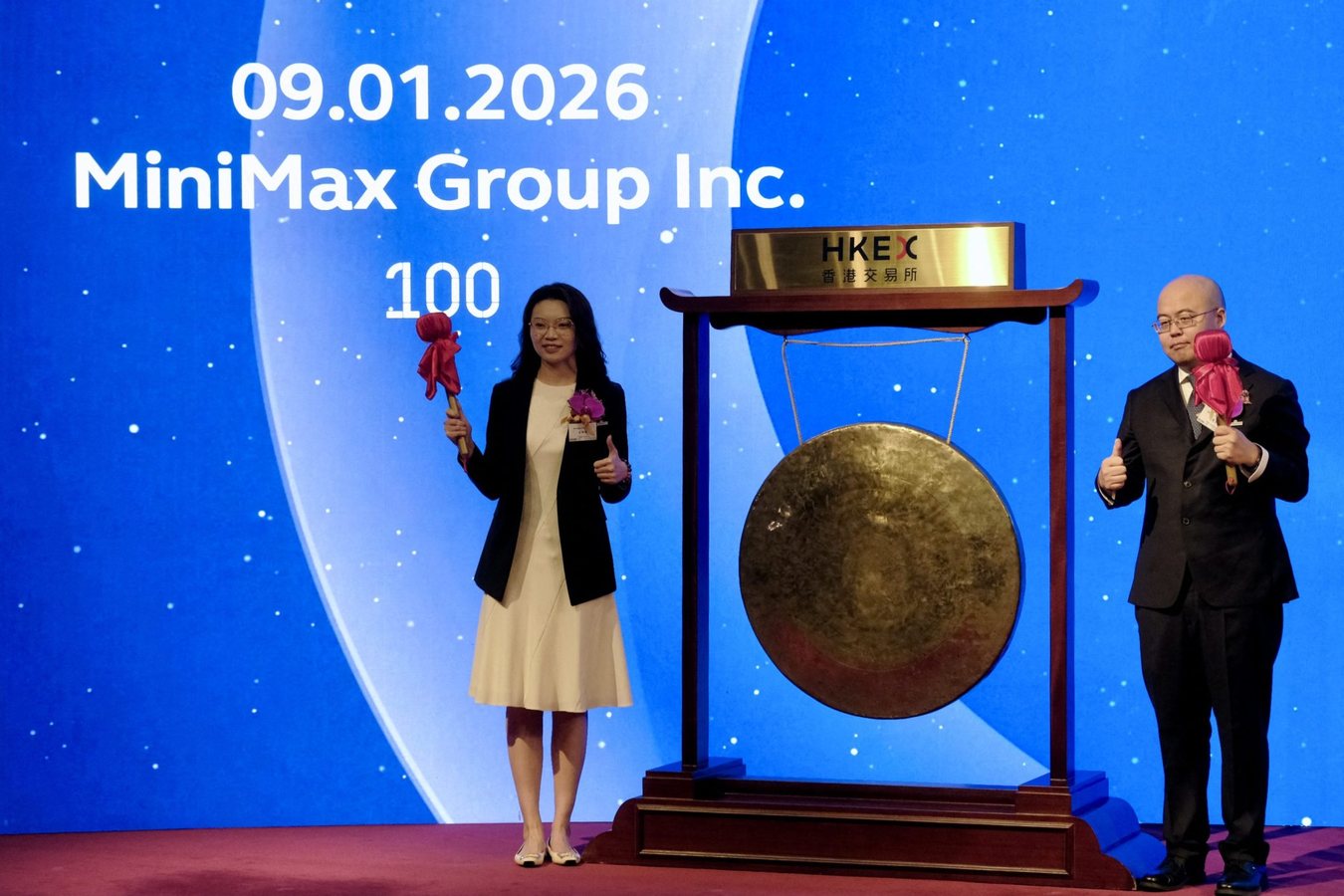
Hong Kong's capital markets are emerging as a critical channel. More than 430 applicants are in the IPO pipeline for the second half of 2026. China's leading model developers, Zhipu AI and MiniMax, beat OpenAI and Anthropic to the public markets, but their Hong Kong IPOs in January raised just $558m and $620m respectively, despite heavy over-subscription. By contrast, OpenAI closed a round of more than $100bn earlier this year, while Anthropic raised $65bn in May.
Private credit is another route. Asia-Pacific private credit assets are projected to grow from $59bn in 2024 to $92bn by 2027, with China accounting for a fifth of regional activity. However, these loan providers tend to prioritise bigger or established companies.
The next generation of AI ventures may not need vast amounts of capital to build applications on top of existing models or fill gaps in the technology value chain. Enterprise customers can also provide essential development funding. But closing the performance gap increasingly depends on bulking up in-house computing capacity, and China's AI infrastructure spending remains a fraction of America's.
It is already clear that the AI sector, unlike software, will not be dominated by US firms alone. China's open-weight strategy has given its leading AI companies a cost advantage that even Silicon Valley leaders acknowledge. For the country's latest generation of AI entrepreneurs, however, venture capital and bank loans may not be enough. Keeping pace will require using every asset and every channel available — whether that means an earlier public listing, exploring private credit, sharing revenue with customers or leveraging equity as collateral. The entrepreneurs involved in China's next wave of AI development will need to be creative with funding to maintain their competitive edge at a time when overseas rivals are spending ten times as much.
8