

Business 4 min read By Bethany Hadley
Costco Shoppers Remain Loyal but Wall Street Cools on the Stock
Costco's membership model and customer loyalty remain strong, yet its share price has slipped as investors question whether the warehouse club's premium valuation can hold in a shifting retail landscape.
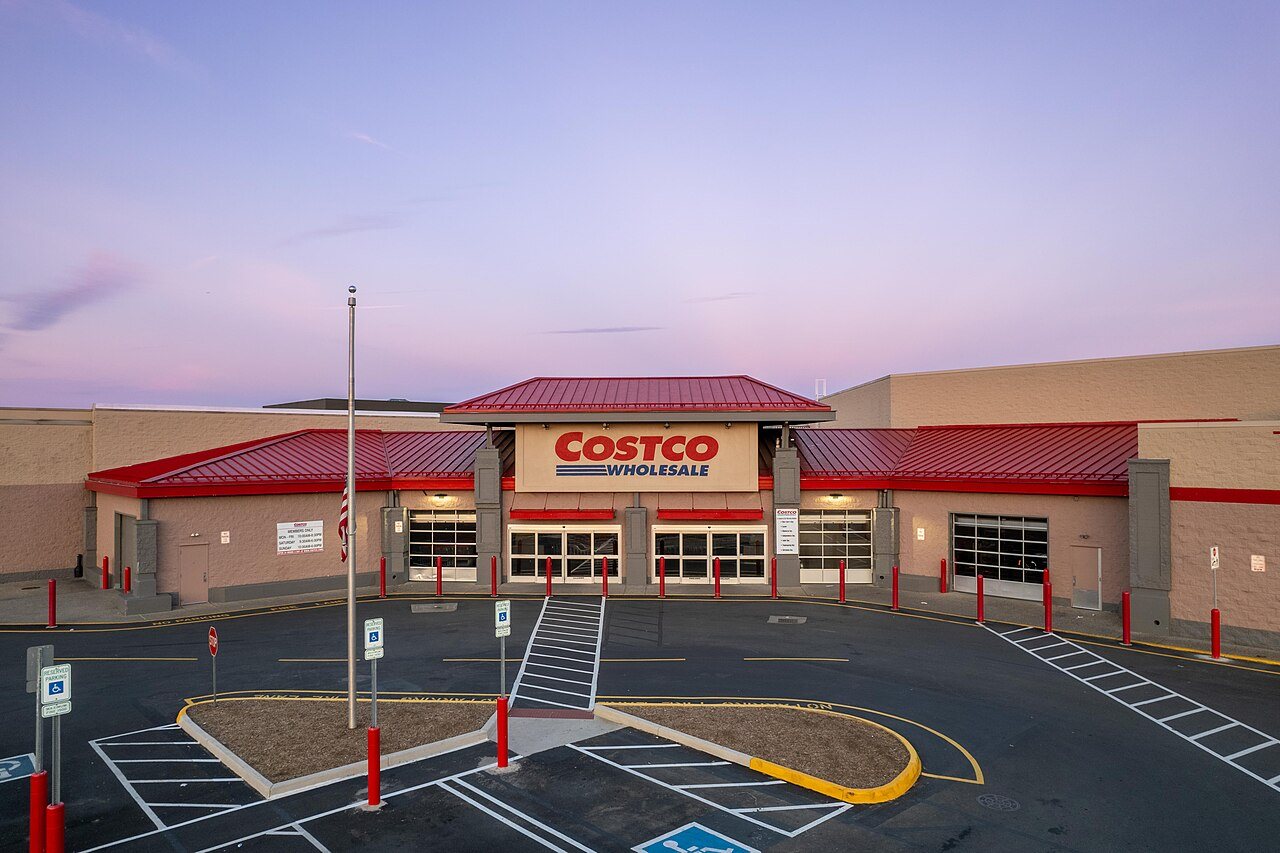
Costco has long been one of the most beloved retailers in the world, with a fiercely loyal membership base that queues for bulk bargains and cheap hot dogs. But that affection on the shop floor has not translated into momentum on the stock market, where the wholesaler's shares have been slipping.
The disconnect between shopper enthusiasm and investor caution is the subject of growing attention on Wall Street. Costco's business model, built on annual membership fees and high-volume, low-margin sales, has proven resilient through economic cycles. Yet its stock has come under pressure as shareholders reassess whether the company's premium valuation is justified by its growth prospects.
At the heart of the issue is the gap between operational strength and market expectations. Costco continues to attract millions of members who pay for the privilege of shopping there, a recurring revenue stream that many retailers envy. That loyalty has helped the company weather inflation and changing consumer habits better than most peers. But when a stock is priced for perfection, even solid results can disappoint.
Investors appear to be looking beyond the checkout queue. Questions linger about how much further Costco can expand its membership base, particularly in international markets, and whether its famously low prices can be sustained if cost pressures persist. The company's reluctance to raise prices aggressively has protected its reputation with shoppers but may weigh on margins.
The broader retail environment adds to the uncertainty. Consumers are increasingly selective about discretionary spending, and competition from online giants and discount chains is intensifying. Costco's scale gives it advantages in procurement and logistics, but it is not immune to shifts in where and how people shop.
For British readers, the story has a familiar ring. The UK's own warehouse clubs and discount grocers have shown that value-focused models can thrive when household budgets are tight. But they have also demonstrated that stock market sentiment can turn quickly when growth slows or costs rise.
Costco's share price decline does not signal a crisis in the business itself. Membership renewals remain high, and footfall in its warehouses is steady. The slip reflects a recalibration of investor expectations rather than a collapse in customer demand. In that sense, the company faces a challenge familiar to many successful retailers: how to keep the market excited when the core proposition is consistency rather than rapid change.
Analysts will continue to watch membership growth, renewal rates, and same-store sales for signs of direction. For now, shoppers and shareholders appear to be looking at the same company through very different lenses. One sees a reliable source of everyday value; the other sees a stock that may have run ahead of its fundamentals.
Whether Costco can close that gap will depend on its ability to translate customer loyalty into earnings growth that satisfies the market. The company's next set of results will be scrutinised for evidence that the love affair with shoppers can still warm the hearts of investors.
3