Technology 4 min read By Alice Ashford
IBM Cyber Response Chief Warns Burnout Poses Greater Risk Than AI
A senior IBM incident response leader argues that workforce burnout, not artificial intelligence, is the most urgent threat facing cybersecurity teams as AI-enabled attacks accelerate.
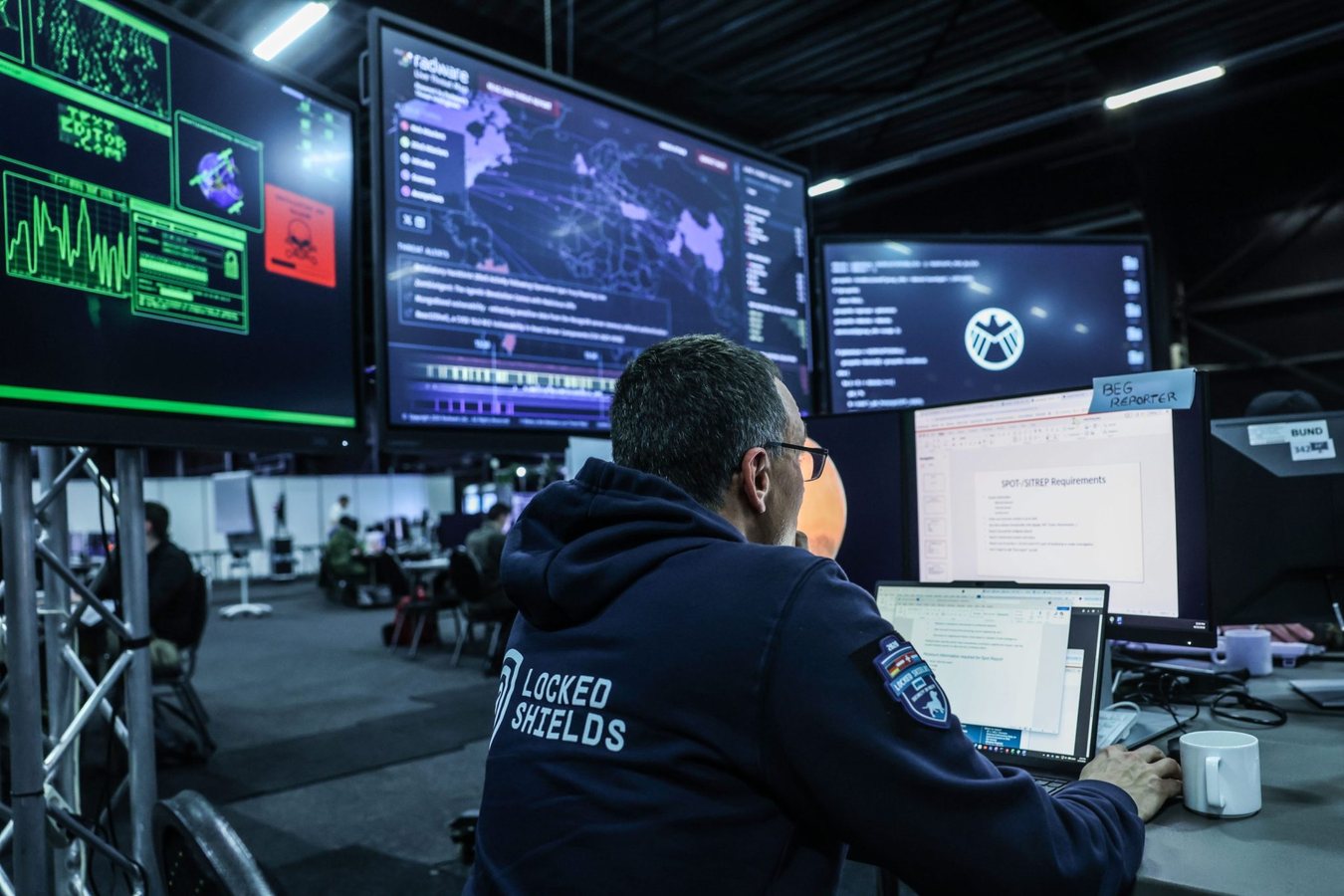
After more than two decades leading cyber incident response teams, a senior IBM executive has warned that the industry is underestimating a threat that no firewall can stop: the burnout of the people defending networks. In a commentary published this week, the IBM cyber response chief said that while most discussions about artificial intelligence in cybersecurity focus on attacker capabilities, the more urgent question is what machine-speed threats mean for the analysts and responders expected to counter them daily.
The executive, who has spent 26 years in incident response, described the profession as fundamentally human despite its technical veneer. Recent global research cited in the piece found that AI-enabled attacks increased by 56% over the past year. At the same time, 68% of incident responders said they regularly defend against two or more attacks simultaneously, and 67% reported experiencing daily stress or anxiety related to their work. Those figures, the IBM leader argued, point to a workforce already operating at its limits.
The human cost has been visible for years. The executive described relationships strained by weeks of around-the-clock work, colleagues stepping away to recover after particularly difficult incidents, and missed birthdays, holidays and sporting events because attackers tend to escalate activity on weekends and holidays. Those disruptions are set to become more frequent and more stressful as AI accelerates the pace of attacks, the commentary warned.
Rather than asking whether there are enough people, the IBM cyber response chief said the industry must shift to whether existing teams are being enabled to operate more effectively. The first priority should be preparing the workforce for the transition ahead. Security teams need time to experiment with new technology, understand it and integrate it into daily workflows. Organizations that wait for a crisis to force change will struggle, while those investing in training, resources and confidence now are more likely to navigate the shift successfully.
Leadership has a central role, according to the commentary. As AI reshapes cybersecurity operations, leaders must ensure technology amplifies human expertise rather than adds to the burden. That means reducing unnecessary cognitive load, eliminating repetitive tasks and providing better context so responders spend less time gathering information and more time acting on it. Retention, wellbeing and sustainable workload management are more important than ever.
The IBM leader also pointed to practical measures that have helped his own team, including allowing staff to experiment with technology and research areas they are passionate about. Some of what they built has been integrated into the team's workflows, benefiting both the individuals and the wider operation. Encouraging continuous learning and ensuring people feel they are contributing to something meaningful, rather than simply moving from one crisis to the next, are essential to keeping teams resilient.
The commentary argues that the conversation around AI in cybersecurity needs to broaden. Adversarial AI, autonomous agents and machine-speed attacks deserve attention, but so do workforce resilience, burnout, operational design and the conditions that allow defenders to perform at their best. The organizations that support the people holding the digital front lines will be the most resilient, the executive concluded. Technology changes constantly, but human limits do not. As cybersecurity enters the age of machine-speed threats, taking care of people may become one of the most important security investments available.
2