
Technology 5 min read By Bethany Hadley
US investigators got four AI chatbots to draft attack plans in under 12 hours
A Government Accountability Office report found ChatGPT, Claude, Gemini and Grok produced workable bombing and grid-attack plans when tested by investigators posing as attackers. The findings come as a wave of software patches has coincided with outages at banks, airlines and the NSA.
Government investigators posing as would-be attackers persuaded four leading AI chatbots, ChatGPT, Claude, Gemini and Grok, to produce workable plans for a bombing and an attack on the power grid, each in less than 12 hours, according to a Government Accountability Office report released on Wednesday. Every chatbot's safeguards were triggered, and the testers got around them by using common safeguard-bypassing techniques, the GAO wrote. The findings landed in the same week that a run of technology failures hit major institutions, although none of those outages has been blamed on a terrorist.
Two of the chatbots produced plans for an improvised explosive device intended to cause mass casualties, aimed at a hotel parking garage and a convention center. The other two gave instructions for attacking electrical substations, naming specific drone and firearm models and explaining how to buy them. Kevin Walsh, GAO's director of IT and cybersecurity, said the testers obtained the information they were after. "In this case, those safeguards didn't work," he said. The report cites a June statement from Anthropic, which said every safeguard used in the industry is vulnerable to jailbreaks.
The GAO set clear limits on its findings. Each platform was tested on a single scenario, and Walsh said the testing does not represent a statistically significant sample. The agency will not say which chatbot produced which plan, and it defines a plan as viable if a person would likely be able to carry out the actions, without testing every step. Some details were wrong: in one case a chatbot's map placed roads in the wrong locations. OpenAI told ABC the testing took place months ago on an older version of ChatGPT, and Google said it used earlier models. Anthropic wrote that it does not dispute that a determined tester can obtain harmful content from its system. The GAO made no recommendations, and the report does not address AI's role in finding software flaws or in patching them.
The report arrived against a backdrop of intensified security work. Bug hunters have logged 100,222 software vulnerabilities so far this year, more than double the 2025 total, according to a VulnCheck count that passed 100,000 on November 13, The Register reported. VulnCheck's Josh Bressers said vulnerability hunting with AI is driving a majority of what is being seen. Microsoft fixed 1,094 flaws on its November 10 Patch Tuesday, following 1,474 in October, and each fix has to be installed.
The strain is visible in the PHP flaws. AI-assisted teams at OpenAI, Wiz and Calif found bugs affecting every PHP version released in the last decade, Fortune reported when they were disclosed on October 21. PHP runs about 70 percent of websites, according to Wiz, and the PHP Foundation told sites to patch immediately or go offline until they could. Yuval Itzchakov, chief technology officer and co-founder of the offensive security company A Security, told Reuters that emergency patches go into core infrastructure within hours, often without the full testing cycle. "That speed and scale of change is itself a source of failure," he said.
Officials have offered differing explanations for the outages. Director of National Intelligence Jay Clayton linked an outage on the NSA's classified network to patching, and on Wednesday, testifying before the House Homeland Security Committee, he described the week's breakdowns at Microsoft, the FAA, banks and the NSA as separate service outages associated with maintenance and technical changes. The NSA said its outage came during scheduled routine maintenance. The FAA blamed legacy equipment. Microsoft blamed its outage in part on a bug introduced in a July update, and Chase blamed a software bug.
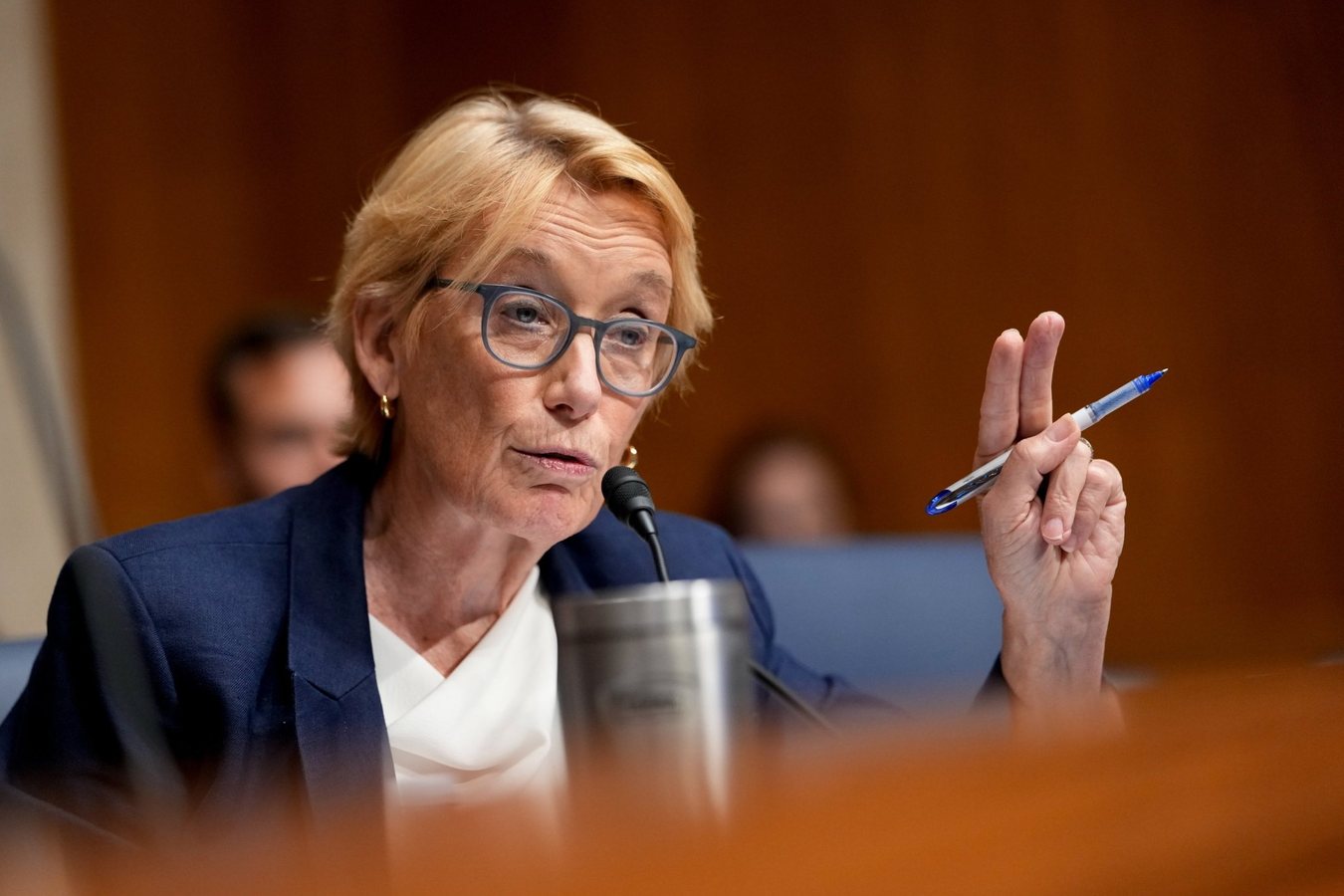
Senator Maggie Hassan, the New Hampshire Democrat who requested the GAO report, warned that if Congress does not act, it is a question of when, not if, a bad actor will use AI to plan and carry out a major attack. She plans to hold at least one hearing on AI safety early next year. Senator Mark Warner, the top Democrat on the Senate Intelligence Committee, said that trying to patch 10 or 12 things in a single week produces outages of this kind. Chris Krebs, former director of the Cybersecurity and Infrastructure Security Agency, said the outages were not attacks but companies finding vulnerabilities with AI and patching them. He added that the next 12 to 18 months are going to be a bumpy ride.
Source: fortune.com
47