
Business 4 min read By Bethany Hadley
Anthropic's IPO creates hundreds of new centimillionaires among staff
Anthropic's stock market debut has made hundreds of non-founder employees worth at least $100 million on paper, raising fresh concerns about wealth concentration in the AI sector.
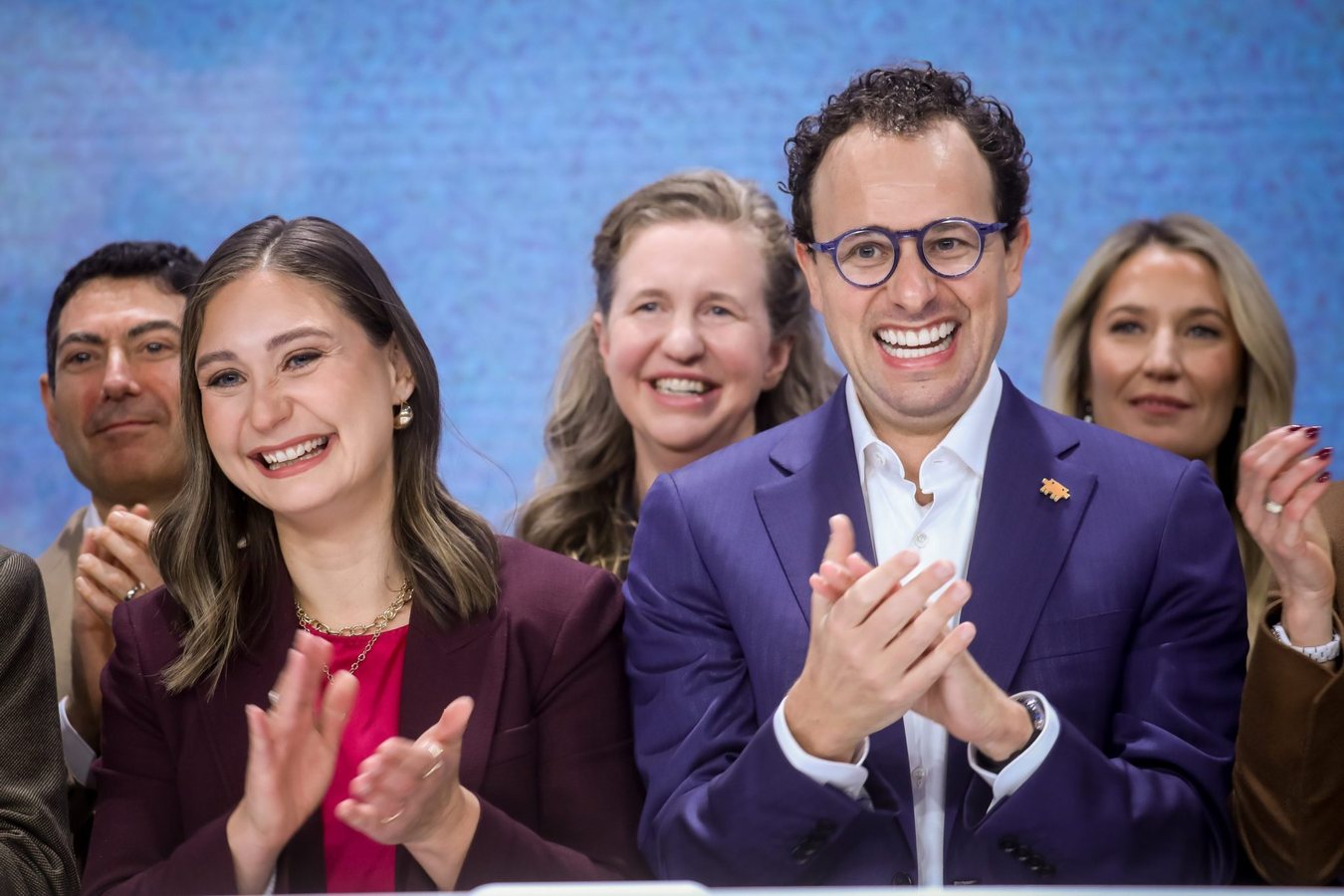
Anthropic's roughly 5,300 employees woke up to a dramatically different financial picture after the artificial intelligence company's initial public offering. According to a report by private-markets investing firm Hill, cited by Reuters, 598 non-founder employees now hold estimated stakes worth at least $100 million each. The average non-founder staff member's estimated fortune has risen to more than $44 million.
The figures rest on Anthropic's IPO price of $83 per share, a level the stock has not fallen below. By Thursday's close, shares had climbed to $97.17, which put the collective estimated wealth of Anthropic's employees and its seven cofounders at roughly $433 billion. Shares have since pulled back to around $88, reducing the total value of staff equity to closer to $350 billion, though the gains remain substantial.
Wealth migration firm Henley & Partners estimates that Anthropic now has more centimillionaires among its ranks than live in London, Paris or Los Angeles. Only San Francisco and New York City have more. A viral analysis by Steve Rattner also noted that the combined wealth of the company's staff and cofounders exceeds the total held by the bottom third of Americans. CEO Dario Amodei's net worth reportedly rose to some $21 billion with the offering.
The windfall has renewed debate about who benefits from the AI boom. Anthropic was founded in 2021 and has grown rapidly, and critics argue that the wealth created by that growth is concentrating among a small group. Former Chicago Mayor Rahm Emanuel, who spoke at the Fortune 500 Innovation Forum earlier this month, said the tax code needs changing so that so much wealth cannot be kept by a few people. On X, he wrote that AI has the potential to create enormous prosperity, but warned that if the gains flow only to people at the top while working families struggle, the country would be repeating the mistakes of the past.
Hana Ivanhoe, senior manager of private sector campaigns and advocacy at the anti-poverty nonprofit Oxfam America, said the IPO was a striking example of how the AI boom could deepen existing economic divides. She described the level of wealth concentration as jarring and said it reflected the extreme inequality already present in the economy, a problem likely to be worsened by future IPOs of this kind. She added that there is both wealth inequality and inequality of impact at play, since the gains are being made at the expense of everyone else.
Amodei himself has voiced concern about this dynamic. In a letter released in January, he wrote that the thing to worry about is a level of wealth concentration that will break society. In response, he and his six fellow founders committed to donate 80 per cent of their Anthropic equity to philanthropy and urged others to be more generous with their giving. Amodei has also called for the AI industry to slow its development amid worries about AI systems going rogue, being used in cyberattacks or bioterrorism, or causing serious economic disruption. Anthropic nonetheless went ahead with its IPO, in part because it needs more financing to develop AI safely. Competitor OpenAI has delayed its own IPO until 2027.
Source: fortune.com
10